Briefly
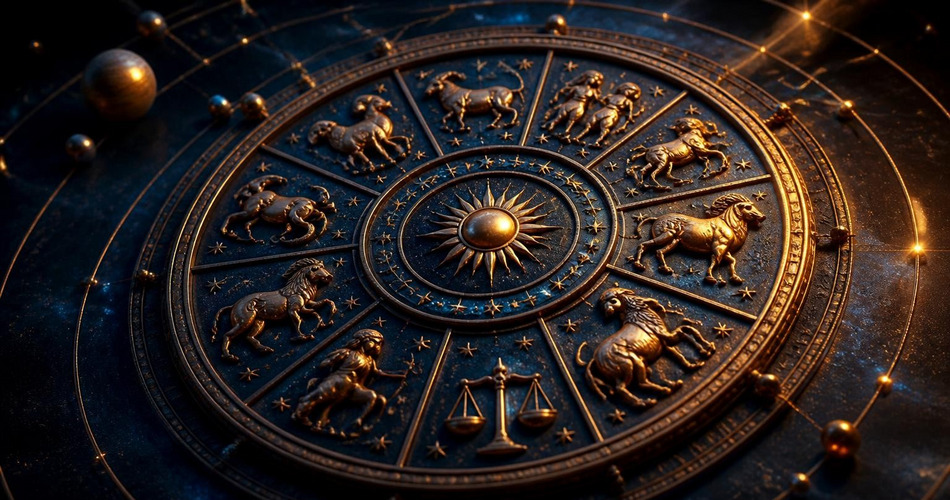
The zodiac wheel is a circular diagram that maps the twelve astrological signs, each associated with a specific segment of the sky through which the Sun, Moon, and planets appear to travel. It symbolizes the cyclical nature of time, the progression of seasons, and the archetypal energies that influence personality and destiny. As a tool for divination and self-reflection, the zodiac wheel represents the interconnectedness of cosmic patterns and human life.
What Does the Zodiac Wheel Symbolize?
The zodiac wheel primarily symbolizes the cycle of life and the passage of time. Its circular shape reflects the eternal return of seasons, the journey of the Sun through the year, and the rhythmic flow of cosmic energy. Each of the twelve signs corresponds to a specific period of the year, beginning with Aries at the spring equinox and ending with Pisces at the end of winter. The wheel also represents the twelve archetypal human experiences—such as leadership (Aries), stability (Taurus), communication (Gemini), and emotional depth (Cancer)—that together form a complete portrait of human nature.
In astrological practice, the zodiac wheel is divided into twelve houses, each governing different areas of life, from identity and values to relationships and career. This structure makes the wheel a map of potential, illustrating how celestial influences manifest in earthly affairs. The wheel’s center often represents the self or the soul, with the signs radiating outward as expressions of that core.
Positive and Negative Meanings
Positive associations: The zodiac wheel is seen as a source of guidance, self-awareness, and personal growth. It helps individuals understand their strengths, weaknesses, and life patterns, fostering a sense of connection to the universe. The wheel’s cyclical nature also reassures that change is natural and that every end leads to a new beginning.
Negative meanings: Critics argue that the zodiac wheel can foster fatalism, encouraging people to attribute their actions to stars rather than personal responsibility. Over-reliance on astrological predictions may lead to anxiety, superstition, or avoidance of difficult choices. Additionally, the wheel’s rigid categorization can oversimplify complex human personalities.
History and Origins of the Zodiac Wheel
The concept of the zodiac wheel dates back to ancient Mesopotamia, where Babylonian astronomers divided the sky into twelve equal sections around 500 BCE. They named these sections after constellations, creating the first known zodiac. The Greeks later adopted and refined this system, linking it to their mythology and philosophy. The Hellenistic period saw the development of horoscopic astrology, which used the zodiac wheel to cast individual birth charts.
The zodiac wheel spread through the Roman Empire and into medieval Europe, where it was preserved in Islamic and Christian scholarship. During the Renaissance, astrological imagery flourished in art and manuscripts, often depicting the wheel as a circular band of signs surrounding a central Earth or Sun. Today, the zodiac wheel remains a central tool in Western astrology and has been adapted in various cultural traditions, including Indian (Vedic) and Chinese astrology, though with different sign systems.
Symbolism of the Zodiac Wheel in Different Cultures
In Western astrology, the zodiac wheel is primarily used for personality analysis and prediction, based on the tropical year that begins at the spring equinox. Each sign is associated with one of four elements (fire, earth, air, water) and three modalities (cardinal, fixed, mutable), creating a complex symbolic language.
In Indian (Vedic) astrology, the zodiac wheel is sidereal, meaning it aligns with the actual constellations. The same twelve signs are used but with a different starting point, reflecting the precession of the equinoxes. This system emphasizes karma and dharma, viewing the wheel as a map of past-life influences and present-life lessons.
In Chinese astrology, a similar twelve-sign cycle exists, but it is based on years rather than months, with each year represented by an animal. While not a wheel in the same geometric sense, the Chinese zodiac also symbolizes cyclical time and personality traits. The zodiac wheel thus appears across cultures as a universal symbol of cosmic order and human typology.
Spiritual Meaning of the Zodiac Wheel
Spiritually, the zodiac wheel is often seen as a mandala representing the wholeness of the universe and the individual soul. Its circular form signifies unity, infinity, and the divine plan. Many practitioners use the wheel as a meditation tool, focusing on each sign’s energy to balance their own life. The twelve signs can correspond to stages of spiritual development, from the impulsive beginnings of Aries to the transcendent wisdom of Pisces.
The wheel also symbolizes the journey of the soul through incarnations, with each sign representing a lesson to be learned. In esoteric traditions, the zodiac is linked to the twelve tribes of Israel, the twelve apostles, and other sacred groups, reinforcing its role as a symbol of divine order.
The Zodiac Wheel in Myths and Folklore
Each zodiac sign has its own mythological origin, often drawn from Greek and Roman stories. For example, Aries is associated with the golden ram that saved Phrixus, Taurus with the bull form of Zeus, and Gemini with the twin brothers Castor and Pollux. The zodiac wheel as a whole appears in the myth of the twelve labors of Heracles, which some interpret as an allegory for the Sun’s passage through the signs.
In Norse mythology, the wheel is echoed in the concept of the world tree Yggdrasil and the cyclical nature of time, though not explicitly as a zodiac. Folklore often treats the zodiac as a guide for agriculture, weather prediction, and health, with sayings like “Plant potatoes when the Moon is in Taurus” reflecting this practical use.
The Zodiac Wheel in Dreams
Dreaming of a zodiac wheel can symbolize a search for direction or a need to understand one’s place in the cosmos. It may reflect concerns about fate, identity, or life cycles. The specific signs visible in the dream can offer additional clues: for instance, seeing one’s own Sun sign might indicate self-awareness, while a missing sign could suggest an imbalance.
Common Dream Scenarios
- Seeing a complete zodiac wheel: Represents wholeness, balance, and a sense of cosmic connection. May indicate that the dreamer is integrating different aspects of their life.
- A broken or incomplete wheel: Suggests fragmentation, confusion about life path, or a need to restore harmony.
- Spinning zodiac wheel: Symbolizes rapid change, the passage of time, or feeling overwhelmed by choices.
- Reading or interpreting the wheel: Reflects a desire for guidance, self-discovery, or decision-making.
The Zodiac Wheel in Superstitions and Omens
In many cultures, the zodiac wheel is used to determine auspicious times for events such as weddings, business launches, or travel. A common superstition holds that starting a new venture when the Moon is in a favorable sign (e.g., Taurus for stability) increases chances of success. Conversely, certain sign placements are considered unlucky; for example, Mercury retrograde is often blamed for communication mishaps. The zodiac wheel also appears in fortune-telling practices, where the position of planets at birth is believed to influence one’s destiny.
The Zodiac Wheel in Art and Literature
The zodiac wheel has been a recurring motif in art and literature for centuries. One of the earliest known depictions is the Dendera Zodiac, a bas-relief from an Egyptian temple dating to the 1st century BCE, now in the Louvre. In medieval European art, zodiac signs appear in illuminated manuscripts, cathedral sculptures, and stained glass windows, often paired with the labors of the months. For instance, the Très Riches Heures du Duc de Berry (15th century) features calendar pages with zodiac signs above scenes of seasonal work.
In literature, Geoffrey Chaucer’s Canterbury Tales opens with a description of the zodiac, using the Sun’s position in Aries to set the time of the pilgrimage. William Shakespeare also referenced the zodiac in plays like King Lear and Antony and Cleopatra, where characters invoke astrological influences. More recently, the zodiac wheel appears in modern fantasy series such as Harry Potter (the centaur Firenze teaches astrology) and in the works of authors like Dan Brown, who incorporates astrological symbolism in The Da Vinci Code.
Zodiac Wheel Tattoo Meaning
A zodiac wheel tattoo often represents a deep connection to astrology and a belief in cosmic influence. The design can symbolize the wearer’s own birth chart, their Sun sign, or a desire for balance and wholeness. Many choose to include their personal sign highlighted within the wheel, while others opt for the full circle to represent the cycle of life. The tattoo can also serve as a reminder of one’s place in the universe and the interconnectedness of all things. Placement varies, but the wheel is commonly inked on the back, shoulder, or forearm.
Meanings of Different Types or Variations of the Zodiac Wheel
While the basic zodiac wheel is consistent, variations exist based on astrological systems. The Western tropical wheel begins at the spring equinox (0° Aries) and is used for personality astrology. The Vedic sidereal wheel aligns with actual constellations and is used for predictive and karmic readings. Some wheels include the thirteen-sign variant, which adds Ophiuchus, though this is not standard in mainstream astrology. Additionally, the zodiac wheel can be depicted as a flat circle or a three-dimensional sphere, with the latter representing the celestial sphere as seen from Earth. Each variation carries the same core symbolism of cosmic order but emphasizes different cultural or philosophical perspectives.
Frequently Asked Questions
Q: What is the difference between the zodiac wheel and a birth chart?
A: The zodiac wheel is the circular diagram of the twelve signs, while a birth chart is a personalized map of where the planets were located in the wheel at the moment of a person’s birth.
Q: Can the zodiac wheel predict the future?
A: Astrologers use the wheel to identify trends and potentials, but it is not considered a deterministic tool. Predictions are based on planetary movements and their symbolic meanings, not fixed outcomes.
Q: Why are there twelve signs?
A: The number twelve corresponds to the lunar cycles in a solar year, the twelve constellations along the ecliptic, and the twelve months. It also has symbolic significance in many cultures as a number of completeness.
Q: Is the zodiac wheel the same in all cultures?
A: No, different cultures have developed their own zodiacs, such as the Chinese animal zodiac and the Vedic sidereal system. The Western tropical zodiac is the most widely recognized in popular culture.
Related Symbols
- Astrology – the broader practice of interpreting celestial influences
- Zodiac Signs – the individual signs that compose the wheel
- Circle – the shape representing unity and infinity
- Wheel of Fortune – a similar cyclical symbol of fate and change
- Mandala – a spiritual symbol of wholeness often used in meditation