Briefly
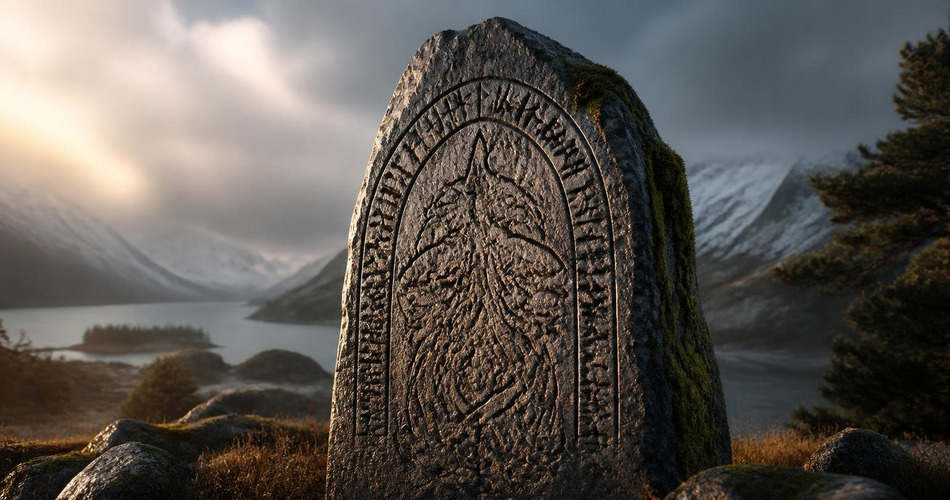
Runestones are stone monuments carved with runic inscriptions, most commonly associated with the Viking Age (c. 800–1100 CE) in Scandinavia. They served as memorials for the dead, markers of territory, declarations of power, and sometimes as magical or protective objects. The symbolism of a runestone combines the permanence of stone with the sacred power of runes, representing memory, heritage, communication with the gods, and the enduring legacy of individuals and families. Today, runestones are powerful symbols of Norse identity, history, and spiritual connection.
What Does a Runestone Symbolize?
A runestone primarily symbolizes memory and legacy. Most runestones were erected to commemorate a deceased person, often a family member or a warrior, and to ensure their name and deeds were not forgotten. The stone itself is a permanent marker, intended to last for generations, while the runic inscription carries the message across time. Runestones also symbolize status and authority; wealthy or powerful individuals commissioned them to display their lineage, wealth, and influence. The runes themselves were believed to possess magical properties, so a runestone could also serve as a protective talisman for the area or a curse against enemies. In a broader sense, runestones represent the intersection of the human and the divine, as runes were considered a gift from the god Odin and a means of communicating with the supernatural.
Positive and Negative Meanings
Positive associations: Runestones are seen as symbols of honor, remembrance, and continuity. They celebrate the lives of the deceased, preserve family history, and reinforce social bonds. In modern contexts, they represent a connection to ancestral roots, cultural pride, and the enduring power of written language. Many people view runestones as protective objects that can ward off evil or bring good fortune.
Negative meanings: Some runestones contain curses or threats against anyone who disturbs the stone, reflecting a darker side of their symbolism. They can also be associated with death, loss, and the finality of mortality. In historical contexts, runestones were sometimes used to mark graves or battlefields, evoking sorrow and the violence of the Viking Age. Additionally, the use of runes in Nazi symbolism has tainted runestones for some, linking them to ideologies of racial purity and aggression.
History and Origins of Runestone Symbolism
Runestones emerged in Scandinavia during the Germanic Iron Age and flourished in the Viking Age, from around the 4th to the 12th century. The tradition is closely tied to the runic alphabet, known as the futhark, which was used for writing on wood, metal, and stone. The earliest runestones were raised in Sweden, Norway, and Denmark, with over 3,000 known examples, most in Sweden. The inscriptions typically follow a formula: “X raised this stone in memory of Y,” often adding a prayer or a description of the deceased’s deeds. The practice declined with the Christianization of Scandinavia, as the Church discouraged pagan runic traditions, though some later runestones include Christian crosses and prayers. The symbolism of runestones is deeply rooted in Norse cosmology, where runes were believed to be a source of wisdom and magic, revealed to Odin through his self-sacrifice on Yggdrasil, the World Tree.
Runestone Symbolism in Different Cultures
While runestones are most strongly associated with Norse and Viking culture, similar traditions existed among other Germanic peoples. In Anglo-Saxon England, runic inscriptions appear on stone crosses and monuments, such as the Ruthwell Cross, blending Christian and pagan symbolism. In continental Europe, runestones are rare but found in areas of Germanic settlement. In modern times, runestones have been adopted by various neo-pagan and heathen movements as symbols of spiritual identity and connection to pre-Christian traditions. They also appear in popular culture as emblems of mystery, ancient wisdom, and fantasy, often used in role-playing games, literature, and films to evoke a sense of the arcane.
Spiritual Meaning of Runestones
In Norse spirituality, runestones were more than memorials; they were considered sacred objects that channeled the power of the runes. Each rune had a name and a meaning, and the act of carving them was a ritual that invoked those energies. A runestone could be erected to seek protection for a family, to ensure a safe journey, or to curse an enemy. The stone itself was seen as a living entity, connected to the earth and the gods. In modern spiritual practice, runestones are used for divination (rune casting), meditation, and as talismans. They are believed to hold the energy of the runes and the intention of the carver, making them powerful tools for personal transformation and connection to the divine.
Runestones in Myths and Folklore
Runestones appear in Norse sagas and legends as objects of power. In Egil’s Saga, the hero Egil Skallagrímsson carves runes on a horn to break a poison spell and later on a stone to heal a sick woman. The saga emphasizes that runes must be carved correctly; mistakes can cause harm. In folklore, runestones were sometimes believed to be the work of giants or dwarves, and disturbing them could bring misfortune. The Rök Runestone in Sweden, dating to the 9th century, contains a long poetic inscription that references legendary heroes and mythological events, blurring the line between history and myth. Many local legends tell of runestones that move at night, weep, or speak, reinforcing their supernatural aura.
Runestones in Superstitions and Omens
In traditional Scandinavian folk belief, runestones were treated with a mixture of reverence and caution. It was considered unlucky to damage or remove a runestone, as it might release a curse or disturb the spirit of the deceased. Some believed that touching a runestone could transfer its power or bring good luck, while others thought it could cause illness if approached without respect. Runestones were also used as boundary markers, and crossing a boundary marked by a runestone without permission was seen as an ill omen. In modern times, some people still regard runestones as protective objects, placing them in gardens or homes to ward off negative energy.
Runestones in Art and Literature
Runestones have inspired artists and writers for centuries. The Jelling stones in Denmark, erected by King Harald Bluetooth in the 10th century, are among the most famous and are often called “Denmark’s birth certificate.” They feature both runic inscriptions and early Christian imagery, marking the conversion of the Danes. In literature, runestones appear in the Poetic Edda and the Prose Edda, where runes are described as tools of magic and wisdom. J.R.R. Tolkien, a scholar of Old Norse, incorporated runic inscriptions into his works, most notably on the map of The Hobbit and on the doors of Moria in The Lord of the Rings. In modern fantasy, runestones are a common trope, appearing in series like The Witcher and Elder Scrolls as sources of power or clues to ancient secrets.
Runestone Tattoo Meaning
Runestone tattoos are popular among people with Norse heritage or an interest in Viking culture. They often symbolize ancestral connection, strength, protection, and a reverence for history. A tattoo of a specific runestone, such as the Jelling stone or a local runestone, can represent a personal link to a place or family lineage. The runes themselves are frequently tattooed as individual symbols, each with its own meaning (e.g., Algiz for protection, Ansuz for communication). A full runestone design may include the stone texture, runic text, and Viking motifs like ships or dragons. These tattoos serve as permanent reminders of one’s roots, values, and spiritual beliefs.
Meanings of Different Types of Runestones
- Memorial runestones – The most common type, erected to honor the dead. They symbolize remembrance, family loyalty, and the desire for lasting fame.
- Curse runestones – Inscriptions that threaten harm to anyone who disturbs the stone. They symbolize the power of words and the belief in runic magic to enforce justice or revenge.
- Christian runestones – From the late Viking Age, these combine runic text with Christian crosses or prayers. They symbolize the transition from pagan to Christian beliefs and the blending of traditions.
- Journey runestones – Raised to commemorate a voyage or a safe return. They symbolize travel, exploration, and the hope for protection during journeys.
Frequently Asked Questions
Q: What is a runestone?
A: A runestone is a stone monument inscribed with runic characters, typically raised in Scandinavia during the Viking Age as a memorial, marker, or magical object.
Q: What do runestones symbolize?
A: Runestones symbolize memory, heritage, status, protection, and communication with the divine. They are lasting records of individuals and events.
Q: Are runestones still used today?
A: Yes, modern runestones are sometimes created by neo-pagans, heathens, and individuals as memorials, art, or spiritual tools. They also appear in popular culture as symbols of Norse mythology.
Q: Can runestones be cursed?
A: Some historical runestones contain curse formulas, threatening misfortune to anyone who damages or moves the stone. These curses reflect the belief in the magical power of runes.
Related Symbols
- Runes – The individual characters that make up runic inscriptions, each with its own symbolic meaning.
- Viking Age monuments – Other stone markers and carvings from the same period, such as picture stones.
- Odin’s runes – The myth of Odin discovering the runes, emphasizing their sacred origin.
- Memorial stones – A broader category of commemorative stones across cultures.
- Yggdrasil – The World Tree, central to Norse cosmology and the source of runic wisdom.