Briefly
Teeth are powerful symbols of strength, vitality, and the ability to consume and process life experiences. They mark key transitions in human life, from the emergence of baby teeth to the loss of adult teeth in old age. Throughout history, teeth have been associated with aggression, protection, and social status, while also serving as metaphors for decay, loss, and the passage of time. Their dual nature—both functional and symbolic—makes them a rich subject in mythology, folklore, and dream analysis.
What Does Tooth Symbolize?
Teeth primarily symbolize power and the capacity to assert oneself. In many animals, teeth are weapons and tools for survival, and this primal association carries over into human symbolism. Strong, healthy teeth represent vitality, youth, and the ability to thrive, while missing or damaged teeth can signify weakness, aging, or vulnerability. Teeth also embody the concept of transition, as the loss of baby teeth and the arrival of permanent teeth mark important developmental milestones. In a broader sense, teeth are linked to communication—they are essential for speech and for expressing emotions like anger or joy through a smile or a grimace.
Positive and Negative Meanings
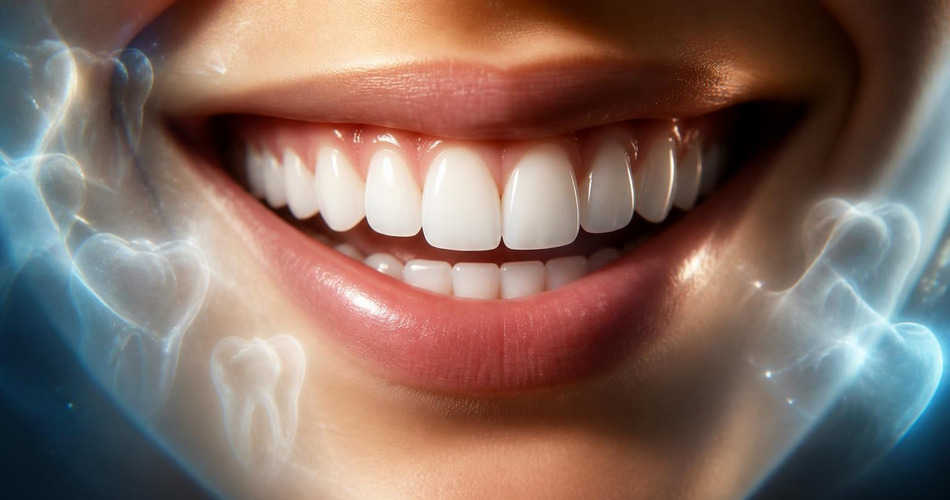
Positive associations: Healthy teeth are universally seen as a sign of beauty, strength, and good health. A bright smile conveys confidence, approachability, and social success. In many cultures, having strong teeth is linked to longevity and the ability to enjoy life fully. Teeth also represent the power to break down and digest experiences, turning raw challenges into nourishment for growth.
Negative meanings: Teeth can also symbolize aggression, dominance, and the capacity to inflict harm. A snarling display of teeth is a universal threat signal. Decayed or missing teeth often evoke fear of aging, illness, or loss of control. In dreams, losing teeth frequently reflects anxiety about powerlessness, embarrassment, or major life changes. The pain of teething or dental procedures can symbolize suffering or unwanted transformation.
History and Origins of the Symbolism
The symbolic significance of teeth dates back to prehistoric times. Early humans used animal teeth as ornaments and talismans, believing they conferred the strength or spirit of the animal. Shark teeth, for example, were worn as necklaces in many Pacific cultures to provide protection and courage. In ancient Egypt, teeth were associated with the god Thoth, who was linked to wisdom and writing, and dental amulets were placed in tombs to ensure the deceased could eat in the afterlife. The practice of filing or decorating teeth for ritual purposes has been found in Mesoamerican, African, and Southeast Asian cultures, often marking rites of passage or social status.
Symbolism in Different Cultures
In European folklore, the tooth fairy tradition—where a child places a lost tooth under a pillow in exchange for money—symbolizes the transition from childhood to maturity and the value of growth. In many Asian cultures, lost baby teeth are thrown onto the roof or under the floor to encourage straight, strong adult teeth, reflecting a belief in the connection between the physical and spiritual worlds. In Hinduism, teeth are sometimes associated with the god Ganesha, who has an elephant head with tusks; one tusk is often broken, symbolizing sacrifice and the removal of obstacles. Among the Maori of New Zealand, carved teeth were worn as pendants to represent ancestry and mana (spiritual power). In Western societies, the emphasis on straight, white teeth in media and advertising ties dental aesthetics to social acceptance and success.
Spiritual Meaning
Spiritually, teeth can represent the foundation of one’s being—the ability to ground oneself and process life’s lessons. In some belief systems, teeth are linked to the root chakra, which governs survival instincts and security. Dreaming of losing teeth is often interpreted as a sign of spiritual transformation, shedding old identities to make way for new growth. In shamanic traditions, animal teeth are used as power objects to connect with the qualities of the animal, such as the bear’s strength or the wolf’s cunning. The act of grinding or clenching teeth (bruxism) is sometimes seen as a physical manifestation of unresolved spiritual tension or suppressed anger.
In Myths and Folklore
Teeth appear in myths worldwide as symbols of power and magic. In Norse mythology, the god Thor had a hammer that could break anything, but his teeth were also considered formidable. The Greek myth of Cadmus includes the sowing of dragon’s teeth, which sprout into armed warriors—a metaphor for conflict born from aggression. In Slavic folklore, the Baba Yaga is often described with iron teeth, emphasizing her fearsome, otherworldly nature. The tooth fairy is a modern folk figure, but similar traditions exist in many cultures: in Spain and Latin America, a small mouse (Ratoncito Pérez) collects teeth, while in parts of Africa, children throw teeth into the bush with a wish. These stories reinforce the idea that teeth are vessels of personal history and potential.
In Dreams
Dreams about teeth are among the most common and vivid dream experiences. They often reflect deep-seated anxieties or transitions. The most frequent dream scenario involves teeth falling out, breaking, or crumbling. Psychologically, this can symbolize a fear of losing control, aging, or being unable to communicate effectively. It may also represent a sense of powerlessness or a major life change such as a new job, relationship, or loss. Dreams of having crooked or ugly teeth may indicate concerns about appearance or social judgment. Conversely, dreaming of strong, white teeth can signify confidence and self-assurance.
Common Dream Scenarios
- Teeth falling out: Often linked to anxiety about loss, change, or a lack of control in waking life. It may also reflect fear of embarrassment or rejection.
- Teeth breaking or crumbling: Suggests feelings of vulnerability, decay, or that something in life is deteriorating—such as a relationship, health, or career.
- Teeth growing or becoming longer: Can symbolize growing power, aggression, or the need to assert oneself. It may also indicate a desire for protection.
- Teeth rotting or decaying: Often represents unresolved issues, guilt, or a sense of neglect. It may point to something festering beneath the surface.
- Teeth being pulled out: May reflect a forced change or the removal of something painful. It can also symbolize the end of a difficult period.
- Having no teeth: Can indicate a feeling of powerlessness, inability to communicate, or a loss of vitality and youth.
In Superstitions and Omens
Superstitions about teeth are widespread. In many cultures, a child’s first lost tooth is celebrated as a milestone, but the tooth itself is often treated with care to ensure good luck. Throwing a tooth over the left shoulder or onto the roof is believed to prevent bad luck and promote strong adult teeth. In some traditions, a tooth that falls out while eating is considered an omen of death or illness. Finding a tooth on the ground is sometimes seen as a sign of upcoming change. In parts of Europe, a gap between the front teeth was once thought to be a sign of a lucky or adventurous nature. Conversely, dreaming of a toothache was considered a warning of impending trouble.
In Art and Literature
Teeth have been used symbolically in various artistic works. In literature, the “tooth” appears in Franz Kafka’s story “The Metamorphosis,” where the protagonist Gregor Samsa’s transformation into an insect includes a focus on his jaws and teeth, highlighting his loss of humanity and primal instincts. In the poem “The Love Song of J. Alfred Prufrock” by T.S. Eliot, the line “I have measured out my life with coffee spoons” is followed by images of “the eternal Footman” holding his coat and snickering—but teeth appear indirectly in the speaker’s anxiety about aging and decay. In visual art, the Mona Lisa‘s enigmatic smile has been analyzed for centuries, with her teeth (or lack of visible teeth) contributing to the mystery. In modern film, the Jaws franchise uses the shark’s teeth as the ultimate symbol of predatory danger. These examples show how teeth can evoke fear, transition, and the primal aspects of human experience.
Tattoo Meaning
Tooth tattoos are less common but carry strong meanings. A single tooth tattoo can symbolize survival, resilience, or a personal milestone such as overcoming a fear of the dentist or losing a tooth in a fight. Shark teeth tattoos are popular in Polynesian and tribal styles, representing protection, strength, and a connection to the ocean. A skull with prominent teeth is a classic symbol of mortality and the inevitability of death. In some subcultures, a tooth tattoo may also signify a rebellious or aggressive attitude. The placement of a tooth tattoo—on the hand, neck, or chest—can emphasize its visibility and the wearer’s desire to project toughness or individuality.
Meanings of Different Types, Colors, or Variations
- Baby teeth: Symbolize innocence, growth, and the beginning of life’s journey. Their loss is a rite of passage into childhood.
- Wisdom teeth: Associated with maturity, knowledge, and the pain that sometimes comes with gaining wisdom. Their removal can symbolize letting go of unnecessary burdens.
- Gold or metal teeth: Often signify wealth, status, or a rebellious fashion statement. In some cultures, gold teeth are a sign of success and durability.
- Sharp or pointed teeth: Represent aggression, danger, or a predatory nature. They are common in depictions of vampires, werewolves, and monsters.
- Missing teeth: Can indicate loss, aging, or a gap in one’s life. They may also symbolize vulnerability or a need for protection.
- Animal teeth (fangs, tusks): Embody raw power, instinct, and the wild. They are often used as talismans to invoke the animal’s spirit.
Frequently Asked Questions
Q: What does it mean when you dream about losing teeth?
A: Dreaming of losing teeth is one of the most common dreams and is often linked to anxiety about change, loss of control, or fear of aging. It can also reflect concerns about appearance or communication.
Q: Why are teeth considered symbols of power?
A: Teeth are essential for eating, fighting, and speaking—all fundamental acts of survival and dominance. In many animals, large teeth are a sign of strength, and this association carries into human symbolism.
Q: What is the origin of the tooth fairy?
A: The tooth fairy tradition likely evolved from European folklore where children’s teeth were buried or burned to protect the child from harm. The modern version, involving a fairy exchanging teeth for money, became popular in the early 20th century.
Q: Are there any positive meanings of teeth in dreams?
A: Yes, dreaming of strong, healthy teeth can symbolize confidence, vitality, and a sense of control. It may also indicate that you are ready to take on challenges.
Q: What do shark teeth symbolize?
A: Shark teeth are often seen as symbols of protection, fearlessness, and survival. In many cultures, they are worn as amulets to ward off danger and to channel the shark’s power.
Related Symbols
- Bones – Like teeth, bones are hard, durable structures that symbolize the framework of life, mortality, and ancestral connection.
- Jaws – Represent the power to consume, destroy, or protect; closely linked to teeth in symbolism.
- Skull – Often depicted with teeth, the skull is a universal symbol of death and the transience of life.
- Smile – Teeth are central to a smile, which symbolizes happiness, welcome, or deception depending on context.
- Fangs – Specifically associated with vampires, werewolves, and predatory animals, symbolizing danger and primal instinct.