Briefly
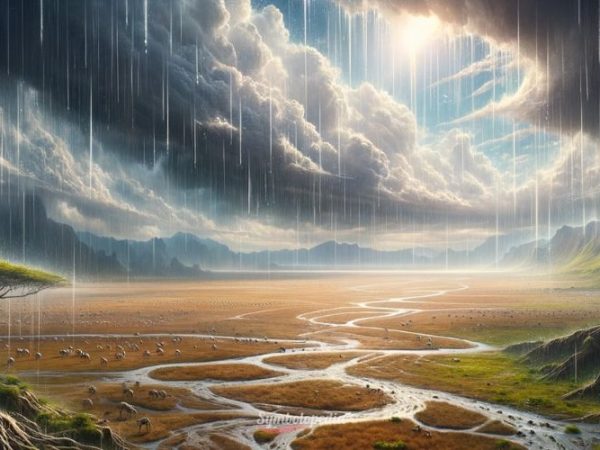
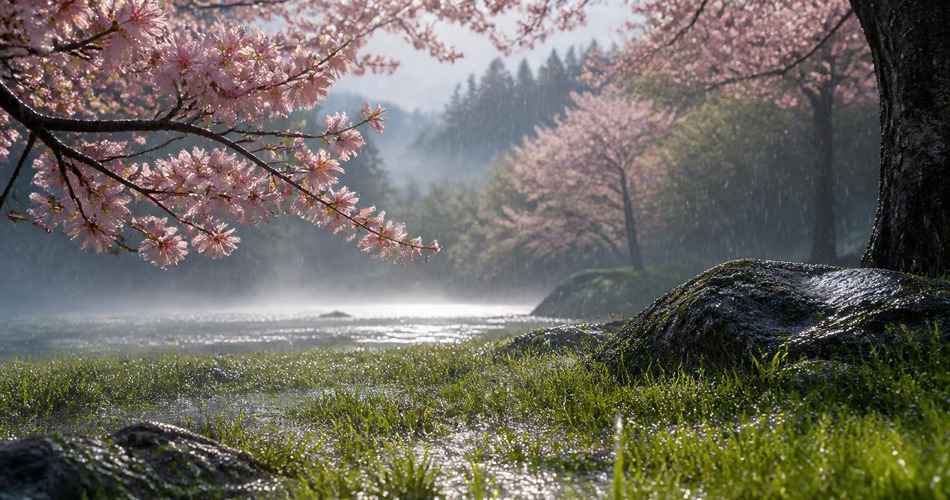
Spring rain is a powerful natural symbol deeply associated with renewal, fertility, and cleansing. It represents the transition from the dormancy of winter to the vibrant growth of spring, washing away the old to make way for the new. Across cultures and throughout history, these gentle rains have been seen as a blessing, a sign of life, and a promise of abundance to come.
What Does Spring Rain Symbolize?
At its core, spring rain symbolizes rebirth. After the cold, barren months of winter, the first warm rains of spring awaken the earth. This makes it a universal emblem of new beginnings, hope, and the cyclical nature of life. It represents the necessary nourishment that allows seeds to sprout and landscapes to turn green.
Spring rain also symbolizes cleansing. It washes away the residual grime and stillness of winter, purifying the environment. This act of washing extends to a spiritual and emotional level, where spring rain is seen to clear the mind and spirit, offering a fresh start.
Furthermore, it embodies fertility. The rain’s union with the earth has long been a metaphor for creation and abundance. In agricultural societies, the arrival of spring rain was the single most important event, dictating the success of the harvest and the survival of the community.
Positive and Negative Meanings
Positive associations: Spring rain is overwhelmingly viewed as a positive force. It signifies life-giving nourishment, the end of hardship (winter), and the promise of growth and abundance. It is associated with joy, hope, and the beauty of nature’s renewal. The fresh, clean scent of the air after a spring rain, known as petrichor, is widely enjoyed and linked to a sense of well-being and clarity.
Negative meanings: While generally positive, spring rain can carry negative connotations depending on context. Excessive rain can lead to flooding, delayed planting, and ruin, symbolizing overwhelming emotion or adversity. In some literary contexts, persistent spring rain can evoke a sense of melancholy, unfulfilled potential, or the sadness that can accompany change. It can also represent the unpredictability of nature and life.
History and Origins of Spring Rain Symbolism
The symbolic roots of spring rain are ancient and tied directly to agriculture. In the Fertile Crescent, the life-giving rains of spring were crucial for crops like wheat and barley. This practical dependence evolved into spiritual reverence. The earliest recorded myths often feature a god or goddess who controls the rains, whose return or favor brings the spring.
In many ancient calendars, the new year began in spring, coinciding with the first rains. This cemented the association between spring rain and new beginnings. The symbol is so fundamental that it predates written history, embedded in the seasonal rituals and oral traditions of agrarian societies worldwide.
Spring Rain Symbolism in Different Cultures
In Chinese culture, spring rain (春雨, chūnyǔ) is highly auspicious. It is seen as a precious gift from heaven, essential for the growth of crops. The phrase “spring rain is as precious as oil” (春雨贵如油) reflects its immense value. It symbolizes timely blessings and prosperity.
In Japanese culture, the spring rains are known as harusame. They are a central motif in haiku and art, often representing the ephemeral beauty of nature. The rains are associated with the planting of rice, a sacred crop, linking them directly to spiritual and physical sustenance.
In Western traditions, particularly in Europe and North America, April showers are famously linked to May flowers. This proverb encapsulates the idea that a period of necessary discomfort (rain) leads to a beautiful outcome (flowers). Spring rain is thus a symbol of patience and delayed gratification.
Spiritual Meaning of Spring Rain
Spiritually, spring rain represents divine blessing and grace. It is often seen as a form of spiritual baptism or purification, washing away negative energy and past burdens. The sound of rain is considered meditative, calming the mind and fostering introspection.
The cycle of rain and sun mirrors the spiritual journey of death and rebirth. Just as the earth must be soaked to bring forth new life, the spirit must sometimes be drenched in emotion or challenge to grow. Spring rain, therefore, symbolizes the necessary trials that lead to spiritual renewal and enlightenment.
Spring Rain in Myths and Folklore
Spring rain features prominently in global mythology. The most direct connection is with deities of fertility and the sky. In Greek mythology, the return of Persephone from the underworld marks the spring, and the rains are seen as the tears of joy from Demeter, or the blessings of Zeus.
In Norse mythology, the spring rains were sometimes associated with the god Freyr, a deity of peace, fertility, and good harvest. His benevolence brought the warm rains that made the land fruitful.
In Native American folklore, the spring rain is often a character in stories about the changing seasons. The Thunderbird, a powerful spirit, is sometimes credited with bringing the life-giving rains of spring. These stories emphasize respect for nature’s power and the delicate balance of the ecosystem.
Spring Rain in Dreams
In the language of dreams, spring rain generally carries a positive and restorative meaning. It often symbolizes a period of emotional cleansing, washing away old grief, stress, or guilt. A dream of gentle spring rain can indicate that the dreamer is entering a phase of healing and personal growth.
The context of the dream is important. If the dreamer is standing in the rain and feeling refreshed, it suggests a welcome renewal. If the dreamer is trying to avoid the rain, it might indicate a resistance to change or a fear of emotional vulnerability.
Common Dream Scenarios Involving Spring Rain
- Walking in gentle spring rain: Represents a feeling of being cleansed and renewed. It suggests the dreamer is open to new beginnings and emotional healing.
- Watching spring rain from a window: Can symbolize a period of introspection and reflection. The dreamer may be observing changes in their life without yet participating in them.
- Being caught in a heavy spring downpour: Might indicate being overwhelmed by emotions or life changes. However, the spring setting implies this is a temporary, cleansing storm that will lead to growth.
- Seeing plants grow after spring rain: A direct symbol of personal growth, creativity, and the fruition of one’s efforts. It is a highly auspicious dream sign.
Spring Rain in Superstitions and Omens
Spring rain is generally considered a good omen. In many European folk traditions, getting wet from the first spring rain was thought to bring good luck and health for the coming year.
A common superstition holds that rain on a wedding day brings good luck, a belief that is particularly strong when the rain falls in spring, as it is seen to bless the union with fertility and prosperity.
Conversely, a lack of spring rain was universally seen as a terrible omen, heralding drought, famine, and hardship. This underscores the deep-seated human reliance on this seasonal phenomenon.
Spring Rain in Art and Literature
Spring rain is a potent and recurring motif in art and literature. In poetry, T.S. Eliot’s The Waste Land famously opens with “April is the cruellest month, breeding / Lilacs out of the dead land,” subverting the typical positive symbolism of spring rain to explore themes of disillusionment and paradoxical renewal.
In classic literature, Geoffrey Chaucer’s The Canterbury Tales begins with the famous description of April showers “Percing the drought of March” that “engender the flowers,” perfectly capturing the medieval view of spring rain as the catalyst for life, pilgrimage, and storytelling.
In visual art, Japanese woodblock prints (Ukiyo-e) frequently feature spring rain, such as in the works of Hiroshige and Hokusai, where rain is depicted as delicate, slanting lines that create mood and atmosphere. In Western painting, Vincent van Gogh’s Rain (1889) captures the steady, rhythmic fall of spring rain on a field, conveying both the force and the peacefulness of the event.
Meanings of Different Types of Spring Rain
- Gentle Drizzle: Symbolizes subtle blessings, soft renewal, and a gentle awakening. It represents peace and quiet growth.
- Heavy Downpour: Can represent a powerful, overwhelming cleansing. It signifies a major emotional release or a dramatic turning point.
- Sun Shower (Rain while the sun is shining): Often considered magical or auspicious. In many traditions, it symbolizes unexpected blessings and the union of opposing forces.
- Thunderstorm: Combines the life-giving rain with the power and warning of thunder and lightning. It symbolizes a powerful, transformative force of nature, clearing the air and electrifying the atmosphere.
Frequently Asked Questions About Spring Rain Symbolism
Q: What does spring rain symbolize in the Bible?
A: In the Bible, spring rain is often seen as a blessing from God, symbolizing divine favor, abundance, and spiritual renewal. It is contrasted with drought, which represents God’s displeasure.
Q: Is spring rain a symbol of sadness?
A: While primarily a symbol of joy and renewal, spring rain can symbolize sadness or melancholy in certain contexts, particularly in modern literature and film, where it can represent a somber mood or the tears of a character.
Q: What is the spiritual meaning of hearing spring rain?
A: Hearing spring rain is often associated with a call to introspection and inner peace. The rhythmic sound is considered meditative, helping to quiet the mind and connect with the present moment.
Q: Why is spring rain associated with fertility?
A: The association comes directly from nature. Spring rain provides the necessary water for seeds to germinate and plants to grow after winter. This life-giving property naturally linked it to fertility, conception, and abundance in agricultural societies.
Related Symbols
- Rain: The broader symbol of precipitation, encompassing both life-giving and destructive aspects.
- Spring (Season): The season of renewal, of which spring rain is a defining feature.
- Rainbow: A symbol of hope and promise that often appears after spring rain.
- Water: The fundamental element of life, emotion, and purification.
- Fertility: The concept of abundance and creation, directly linked to spring rain.