Briefly
The chariot is a powerful symbol of control, willpower, and victory. It represents the ability to steer one’s own destiny through discipline and focused intention. Often associated with the sun, war, and ceremonial processions, the chariot embodies both the journey of life and the triumph of the human spirit over obstacles. Its imagery appears across ancient cultures, from Greek and Roman mythology to Hindu epics, always underscoring themes of movement, mastery, and achievement.
What Does Chariot Symbolize?
The chariot primarily symbolizes control and the harnessing of opposing forces. In many traditions, the charioteer must manage two horses or steeds that pull the vehicle, representing the need to balance dualities such as reason and emotion, or the conscious and unconscious mind. This makes the chariot a metaphor for self-mastery and the disciplined direction of one’s life. It also stands for victory and triumph, as chariots were used in ancient warfare and racing, where the winner was celebrated as a hero. Additionally, the chariot is a symbol of journey and progress, often depicting the soul’s passage through life or the sun’s daily trek across the sky.
Positive and Negative Meanings
Positive associations: The chariot is linked to success, ambition, and the will to overcome challenges. It represents determination, focus, and the ability to take charge of one’s circumstances. In many cultures, it is a sign of honor, status, and divine favor, as only the elite or gods rode chariots.
Negative meanings: The chariot can also symbolize recklessness and loss of control. If the horses are not properly guided, the chariot may crash, representing unchecked desires or a headstrong nature. It may also indicate a rigid, overly controlling personality that refuses to adapt, leading to conflict or downfall.
History and Origins of Chariot Symbolism
The chariot first appeared in the ancient Near East around 2000 BCE, and quickly became a central element in warfare, transportation, and ceremony. Its symbolism evolved from its practical use: a fast, mobile platform for archers and spearmen, it came to represent military might and the power of kings. In ancient Egypt, pharaohs were often depicted riding chariots in battle scenes, symbolizing their divine authority and victory over enemies. The chariot also held religious significance in the Vedic culture of India, where the sun god Surya rides a chariot drawn by seven horses, representing the seven colors of light or the seven days of the week. This celestial chariot imagery influenced later Hindu and Buddhist iconography.
Symbolism in Different Cultures
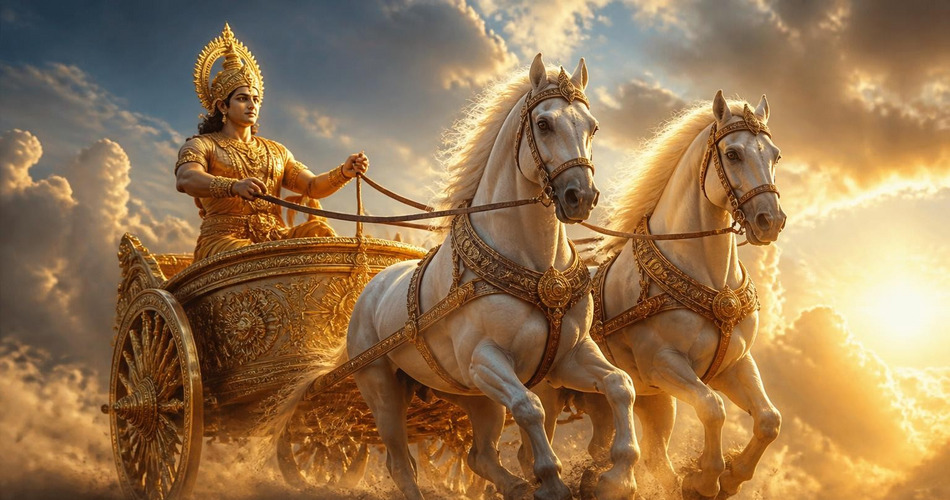
In Greek mythology, the chariot is most famously associated with Helios, the sun god, who drives a golden chariot across the sky each day. The story of Phaethon, who attempts to drive his father Helios’s chariot but loses control, serves as a cautionary tale about hubris and the dangers of overreaching. The Roman triumph featured a general riding a chariot through the streets of Rome, crowned with laurel, symbolizing supreme military achievement. In Hindu tradition, the chariot appears in the Bhagavad Gita as the body of the warrior Arjuna, with Krishna as the charioteer, representing the soul guiding the physical self through the battlefield of life. In Celtic mythology, the goddess Epona is associated with horses and chariots, symbolizing sovereignty and the journey to the Otherworld.
Spiritual Meaning
Spiritually, the chariot represents the journey of the soul toward enlightenment or self-realization. The charioteer is the higher self or divine will, while the horses symbolize the senses or lower instincts that must be directed. This aligns with the Tarot card The Chariot, which signifies willpower, determination, and the triumph of the conscious mind over unconscious impulses. In meditation and spiritual practice, the chariot imagery encourages one to take control of their thoughts and actions, steering toward a higher purpose. It also embodies the concept of dharma — righteous duty — as seen in the Bhagavad Gita, where Krishna urges Arjuna to fulfill his warrior role.
In Myths and Folklore
Chariots appear prominently in myths worldwide. The Greek sun chariot of Helios is one of the most famous, with the story of Phaethon illustrating the consequences of lacking control. In Norse mythology, the goddess Sól drives a chariot pulled by two horses, chased by a wolf, representing the sun’s daily journey and the cycle of day and night. The Hindu god Indra rides a chariot into battle against demons, symbolizing the triumph of order over chaos. In Chinese folklore, the sun is sometimes depicted as a chariot pulled by six dragons, a motif borrowed from earlier shamanic traditions. These myths consistently use the chariot to convey movement, power, and the struggle between opposing forces.
In Dreams
Dreaming of a chariot often reflects the dreamer’s sense of control or lack thereof in their waking life. A smoothly driven chariot suggests confidence and progress, while a runaway chariot indicates anxiety or feeling overwhelmed by circumstances. The condition of the chariot and the horses can provide further insight: a broken chariot may symbolize obstacles or a need to slow down, while a well-decorated chariot can represent ambition and the desire for recognition. Chariot dreams may also appear during times of major life transitions, urging the dreamer to take the reins and move forward with purpose.
Common Dream Scenarios
- Driving a chariot confidently: Indicates self-assurance and mastery over one’s life path.
- Losing control of the chariot: Suggests fear of failure or being driven by unchecked emotions.
- Riding as a passenger: May reflect a passive attitude or reliance on others to guide your decisions.
- A broken or damaged chariot: Points to obstacles, burnout, or the need to reassess your direction.
- A chariot race: Symbolizes competition, ambition, and the desire to prove oneself.
In Art and Literature
The chariot has been a recurring motif in art and literature for millennia. In ancient Greek pottery, chariot scenes often depict heroes like Achilles dragging Hector’s body behind his chariot, emphasizing both victory and brutality. The Roman poet Virgil describes a chariot race in the Aeneid, using it as a metaphor for the struggle of leadership. In Renaissance painting, the Triumph of Caesar by Andrea Mantegna features a chariot carrying the victorious general, celebrating military glory. In modern literature, the chariot appears in William Butler Yeats’s poem “The Second Coming,” where the line “the darkness drops again” evokes a sense of a world out of control, akin to a chariot’s reckless ride. In film, the chariot race in the 1959 movie Ben-Hur remains one of cinema’s most iconic sequences, symbolizing the clash between personal vengeance and redemption.
Frequently Asked Questions
Q: What does the chariot symbolize in the Tarot?
A: In the Tarot, The Chariot card represents willpower, determination, and the triumph of the conscious mind over unconscious impulses. It encourages the seeker to take control of their life and move forward with discipline.
Q: What does a chariot tattoo mean?
A: A chariot tattoo often symbolizes personal victory, self-control, and the journey of life. It can also represent a warrior spirit or a connection to ancient mythology, especially Greek or Hindu traditions.
Q: Are chariots only associated with war?
A: No, chariots also symbolize ceremonial processions, solar journeys, and spiritual guidance. They appear in contexts of triumph, racing, and religious ritual, as seen in the sun chariots of Helios and Surya.
Related Symbols
- Sun – The sun chariot is a direct extension of solar deities and daily journey.
- Horses – The horses pulling the chariot represent the forces that must be controlled.
- Wheel
- Wheel of Fortune
- Wheel of Life