Briefly
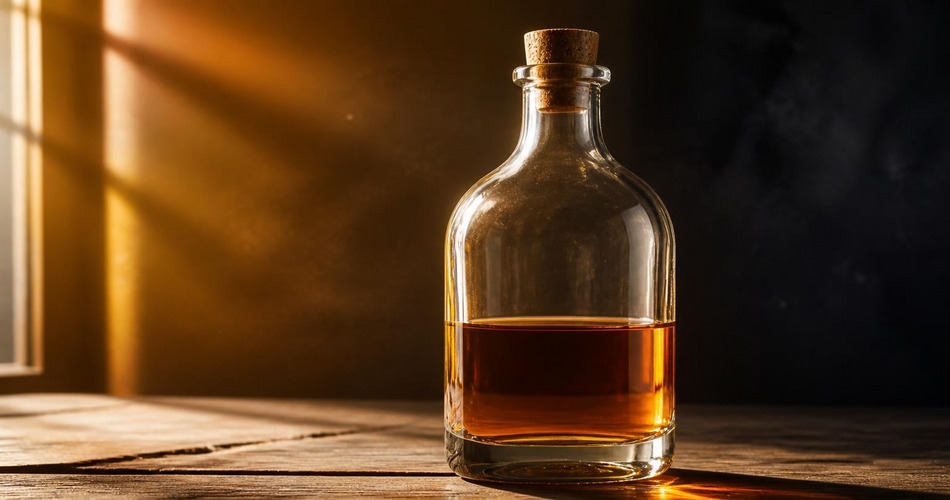
The bottle is a powerful symbol of containment, preservation, and the delicate balance between holding and releasing. As a vessel, it represents the ability to store emotions, secrets, or substances — both nourishing and intoxicating. Bottles can signify hospitality and celebration, but also confinement, addiction, and the hidden aspects of the self. Their shape and material have evolved through history, yet their core symbolism as a sealed container of potential remains consistent across cultures.
What Does Bottle Symbolize?
At its most fundamental level, a bottle is a container. This basic function gives rise to its primary symbolic meanings: it can hold, protect, preserve, and transport liquids, ideas, or even spirits. A sealed bottle implies something hidden or saved for later, while an open one suggests sharing or release. The bottle often symbolizes the human experience of holding onto things — memories, feelings, or vices — and the choice of when to open up.
Bottles are also linked to celebration and hospitality, especially wine or champagne bottles. They appear in rituals and toasts, marking milestones and fostering connection. Conversely, a broken or empty bottle can symbolize despair, loss, or the end of something.
Positive and Negative Meanings
Positive associations: Bottles represent preservation, abundance, and the safe keeping of valuable liquids like wine, oil, or medicine. They are tools of hospitality, enabling shared drinks and festive gatherings. A message in a bottle evokes hope, adventure, and the possibility of connection across vast distances. Glass bottles, in particular, can symbolize transparency and purity when they hold clear liquids.
Negative meanings: Bottles can signify confinement, isolation, and addiction. An empty bottle suggests waste, excess, or depletion. A broken bottle becomes a weapon or a symbol of violence. In the context of substance abuse, the bottle represents dependency and the loss of control. A sealed bottle may also imply secrets kept hidden, repression of emotions, or something dangerous waiting to be unleashed.
History and Origins of Bottle Symbolism
Humans have used containers for thousands of years, but the bottle as we know it emerged with the invention of glassblowing in the 1st century BC in Syria. Early glass bottles were precious and often used for perfumes, oils, and medicines — substances valued for their rarity or healing properties. This association with valuable contents established the bottle as a symbol of treasure and care.
In ancient Egypt, ceramic and alabaster vessels stored wine and oils used in burial rituals, linking bottles to the afterlife. The Roman Empire spread glass bottle production, making them common for storing wine, which further tied bottles to social status and feasting. Over time, the bottle evolved into a universal symbol of storage and transport, appearing in everything from maritime trade to domestic life.
Bottle Symbolism in Different Cultures
In Western culture, the bottle is deeply tied to wine and celebration. The champagne bottle, with its dramatic popping cork, symbolizes luxury, festivity, and new beginnings — often used at weddings, launches, and New Year’s celebrations. In Islamic cultures, where alcohol is prohibited, decorative bottles often hold rosewater or perfumes, emphasizing the bottle as a vessel for purity and fragrance rather than intoxication.
In Chinese tradition, the bottle (often a vase-shaped bottle) is a symbol of peace and safety, as the word for “bottle” (ping) sounds similar to the word for “peace.” Bottles are given as gifts to wish someone safety and tranquility. In Japanese culture, the sake bottle (tokkuri) plays a central role in Shinto ceremonies and social bonding, representing purification and harmony.
Arabian folklore famously features the bottle as the prison of the genie (djinn), a powerful spirit that grants wishes when released. This motif appears in the story of Aladdin (though originally a lamp) and other tales, symbolizing both the danger of releasing hidden forces and the reward of unlocking potential.
Spiritual Meaning of Bottles
Spiritually, the bottle can represent the vessel of the soul — a container for the spirit or life essence. In some traditions, bottles are used in rituals to capture or ward off spirits. A sealed bottle may symbolize the preservation of spiritual energy or the containment of negative influences. The act of breaking a bottle in a ceremony can mark the release of old energy or the sealing of a promise.
In folk magic, bottles are used to create “witch bottles” — protective charms containing sharp objects, urine, or herbs to ward off evil spirits or curses. This practice, common in early modern Europe, reflects the belief that bottles can trap malevolent forces. Similarly, in hoodoo and folk traditions, bottles are used to contain spells or blessings.
Bottles in Myths and Folklore
The most famous bottle-related myth is the genie in a bottle, a motif from Middle Eastern folklore. In stories like “The Fisherman and the Jinni” from the One Thousand and One Nights, a fisherman finds a sealed bottle in the sea and releases a vengeful spirit, only to trick it back inside. This tale uses the bottle as a symbol of hidden power and the consequences of curiosity.
European folklore speaks of “bottled spirits” — the idea that a witch or sorcerer could trap a spirit in a bottle to serve them. This appears in legends about the magician Faust, who is said to have bottled demons. In some folktales, sailors find bottles containing messages or maps, leading to treasure or doom, reinforcing the bottle as a vessel of fate and discovery.
Bottles in Dreams
Dreaming of bottles often relates to the dreamer’s emotional state and capacity to contain feelings. The condition and contents of the bottle are key: a full bottle may indicate abundance, satisfaction, or repressed emotions; an empty bottle can signal loss, exhaustion, or a need for fulfillment. The material of the bottle (glass, plastic, ceramic) also influences interpretation — glass suggests transparency or fragility, while plastic may imply practicality or disposability.
Common Dream Scenarios
- Breaking a bottle: Often represents a sudden release of pent-up emotions, anger, or a broken relationship. It may also foreshadow an accident or loss.
- Finding a bottle: Discovery of hidden talents, forgotten memories, or an unexpected opportunity. A message in a bottle suggests communication from the unconscious or from a distant person.
- Drinking from a bottle: Can symbolize seeking comfort, escape, or indulgence. It may also reflect a need for nourishment or healing.
- An empty bottle: Indicates feeling depleted, unfulfilled, or having given away too much. It can be a call to refill one’s reserves.
- A sealed bottle: Represents secrets, hidden emotions, or something kept under control. Opening it may bring revelation or danger.
Bottles in Superstitions and Omens
Superstitions surrounding bottles vary by culture. In many Western traditions, dropping and breaking a bottle is considered bad luck, especially if it contains wine or spirits — the spilled liquid symbolizes wasted abundance or an offering to malevolent forces. However, breaking a bottle on a ship christening is considered good luck, as the breaking seals the vessel’s name and ensures safe voyages.
In some folk beliefs, a bottle left uncorked overnight allows evil spirits to enter and possess the contents. In Russian folklore, an empty bottle left on a table brings poverty or bad luck. In parts of England, finding a sealed bottle in the walls of an old house was thought to be a witch bottle — a protective charm — and disturbing it could unleash a curse.
Meanings of Different Types of Bottles
- Glass bottle: Transparency, purity, fragility. Often used for wine, perfume, or medicine — items of value and sensitivity.
- Plastic bottle: Practicality, convenience, but also disposability and environmental concern. Symbolizes modern consumption.
- Wine bottle: Celebration, sophistication, romance, and the aging process. May also represent overindulgence.
- Perfume bottle: Luxury, seduction, beauty, and memory. Often ornate, symbolizing the preciousness of its contents.
- Medicine bottle: Healing, illness, caution, and dependency. A reminder of physical vulnerability.
- Message in a bottle: Hope, isolation, a cry for help, or a connection across distance.
Frequently Asked Questions
Q: What does a broken bottle symbolize?
A: A broken bottle often symbolizes lost potential, wasted resources, sudden anger, or the end of a relationship. In dreams, it may indicate a release of suppressed emotions.
Q: Why are bottles used in rituals?
A: Bottles are used in rituals to contain and control spiritual energies. In folk magic, “witch bottles” protect against curses, while in ceremonies, breaking a bottle can seal a vow or mark a transition.
Q: What does a message in a bottle mean?
A: A message in a bottle symbolizes hope, a plea for help, or a desire to communicate across vast distances. It can represent a hidden message from the subconscious or a longing for connection.
Q: Is there a difference between bottle and flask symbolism?
A: A flask is typically smaller and more personal, often carried for immediate use, emphasizing portability and secrecy. A bottle is larger and more associated with storage and sharing.
Related Symbols
- Container – The broader category of vessels that hold things, including boxes, jars, and bags.
- Wine – Often stored in bottles, symbolizing celebration, sacrifice, and abundance.
- Genie – Mythical spirit imprisoned in a bottle, representing hidden power and desire.
- Key – Unlocks the bottle’s contents, symbolizing access to secrets or opportunities.
- Glass – The material of many bottles, associated with transparency, fragility, and clarity.