Briefly
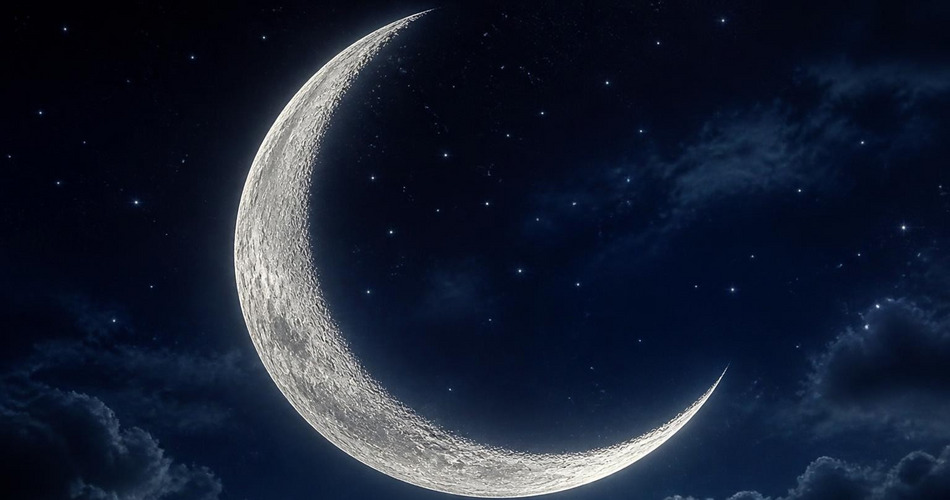
The crescent represents the moon in its first or last quarter, making it a powerful symbol of cycles, change, and transition. It is widely recognized as a central emblem of Islam and has been used throughout history in heraldry, mythology, and as a protective talisman. Its shape evokes the idea of growth, potential, and the passage of time.
What Does the Crescent Symbolize?
The crescent is a potent symbol of renewal, growth, and the cyclical nature of time. It represents the waxing and waning phases, embodying the concept of change and transformation. In many cultures, it is linked to the feminine divine, intuition, and the subconscious. It also stands for fertility and the rhythms of nature, marking the passage of months and seasons.
In heraldry, the crescent signifies honor, glory, and the hope of greater glory to come, often depicted with its horns pointing upward. It is a symbol of protection, frequently worn as an amulet, such as the crescent moon combined with a star or an eye to ward off negative energy. The crescent is also a global symbol of the Islamic faith, representing the lunar calendar and the faith’s rich heritage.
Positive and Negative Meanings of the Crescent
Positive associations: The crescent embodies hope, new beginnings, and the promise of growth. It is a guide in the darkness, a symbol of divine femininity, intuition, and the gentle power of the moon. It represents the cyclical nature of life and the potential for renewal after a period of darkness, making it a powerful emblem of resilience and transformation.
Negative meanings: In some contexts, the crescent can symbolize the waning phase, representing decline, loss, or the passage of time leading to an end. As a night symbol, it has occasionally been associated with mystery, the unknown, or the darker aspects of the subconscious. In certain historical contexts, particularly during the Crusades, it was used as a negative symbol for the Ottoman Empire by European powers.
History and Origins of Crescent Symbolism
The crescent has been a symbol since ancient times. In Mesopotamia, the moon god Sin (or Nanna) was represented by the crescent, symbolizing wisdom and the measurement of time. In Ancient Greece and Rome, it was associated with the goddesses Artemis, Hecate, and Diana, representing the hunt, the night, and magic.
The Byzantine Empire used the crescent as a symbol of the city of Byzantium (later Constantinople). After the conquest of Constantinople by the Ottoman Empire, the crescent became deeply associated with the Ottoman Turks and, by extension, the Islamic world. The adoption of the crescent on Islamic flags, such as the Ottoman flag, solidified its global recognition as a symbol of Islam. In European heraldry, the crescent became a common charge during the Crusades, often used as a mark of cadency to distinguish a second son’s coat of arms.
Crescent Symbolism in Different Cultures
In the Islamic world, the crescent moon and star is a ubiquitous symbol on the flags of many Muslim-majority countries, including Turkey, Pakistan, and Algeria. It represents the lunar calendar, the beginning of months such as Ramadan, and the faith itself. In the Ancient Near East, the crescent was the symbol of the moon god Sin, representing wisdom and the measurement of time.
In Classical Antiquity, the crescent was the emblem of Artemis and Diana, goddesses of the hunt and the moon, symbolizing chastity, independence, and the wild. In Hinduism, the crescent is worn by Lord Shiva on his head, representing his control over time and the cyclical nature of creation and destruction. In Celtic culture, the crescent was associated with the Triple Goddess (Maiden, Mother, Crone) and the cycles of life, death, and rebirth.
Spiritual Meaning of the Crescent
Spiritually, the crescent represents the divine feminine and the intuitive, receptive aspects of the self. It is a symbol of the soul’s journey through darkness and its emergence into light. The waxing crescent is a powerful time for manifestation and setting intentions, making it a symbol of growth and building energy. In modern Wicca and Neopaganism, the crescent is a key symbol of the Goddess and is used in rituals to honor the lunar phases, representing the Maiden aspect of the Triple Goddess.
The Crescent in Myths and Folklore
In Greek myth, the crescent is the bow of Artemis, the huntress who roamed the forests with her nymphs under the moon. In Norse mythology, the crescent is associated with the chariot of Máni, the moon god, who is chased across the sky by the wolf Hati, representing the eternal cycle of the moon’s phases. In many folk traditions, the crescent moon is a protective symbol against witchcraft and evil spirits. The phrase “under the crescent moon” often implies a time of magic and mystery, a liminal space between the known and the unknown.
The Crescent in Dreams
Dreaming of a crescent moon often signifies new beginnings, potential, and the start of a new phase in life. A waxing crescent may represent growth, hope, and the building of energy towards a goal. A waning crescent might symbolize release, letting go, and the winding down of a cycle. A crescent with a star can be a powerful symbol of faith, guidance, or a connection to the Islamic faith.
Common Dream Scenarios
- Seeing a bright crescent moon: Represents clarity, hope, and a new beginning. It can signify the start of a positive phase in life.
- A crescent moon turning into a full moon: Symbolizes the fulfillment of potential, growth, and the culmination of efforts.
- A crescent moon with a star: Often a spiritual or religious symbol, representing guidance, faith, or a connection to the divine.
- A red or blood-red crescent: Can signify intense emotions, passion, or a warning about a powerful change.
Crescent in Superstitions and Omens
Seeing a new crescent moon for the first time in the month is often considered good luck. In many cultures, it is customary to make a wish or bow to the new moon. Seeing the crescent moon through glass or over the left shoulder is sometimes considered unlucky. The crescent moon is a common amulet, like the nazar combined with a crescent, used for protection against the evil eye.
The Crescent in Art and Literature
In literature, the crescent moon appears in One Thousand and One Nights to mark the passage of time and the beginning of a new tale. In C.S. Lewis’s The Lion, the Witch and the Wardrobe, the White Witch’s flag bears a red crescent, symbolizing her cold, cyclical power. In The Satanic Verses by Salman Rushdie, the crescent is a complex symbol of faith, identity, and transformation.
In art, the crescent is a central motif in Islamic geometric designs and adorns the domes of mosques. In Christian iconography, the Virgin Mary is often depicted standing on a crescent moon, a motif derived from the Book of Revelation’s “Woman of the Apocalypse,” symbolizing her purity and triumph over darkness. The crescent is also a recurring motif in the paintings of the Pre-Raphaelite Brotherhood, often associated with the goddess Diana. In film and animation, the crescent moon is the symbol of the Moon Kingdom in the Sailor Moon franchise, representing the power of the Silver Crystal and the eternal cycle of reincarnation.
Crescent Tattoo Meaning
A crescent moon tattoo is a popular choice for its aesthetic and deep meaning. It can symbolize femininity, creativity, and the cycles of life. It is often chosen by those who feel a connection to the night, the moon, or the divine feminine. A crescent moon and star tattoo is a common expression of Islamic faith and identity. It can also represent a journey through darkness, a love of magic and mystery, or a reminder of the constant state of change in life.
Meanings of Different Crescent Variations
- Waxing Crescent: Symbolizes growth, increase, new beginnings, and the building of energy.
- Waning Crescent: Represents release, letting go, introspection, and the end of a cycle.
- Crescent with a Star: The most iconic symbol of Islam, representing faith, guidance, and divine light. Also a symbol of the Ottoman Empire.
- Double Crescent (Horns facing each other): A rare heraldic symbol, sometimes representing the union of two forces or the balance of waxing and waning.
- Crescent with a Human Face: Often represents the personification of the moon, common in ancient and folk art.
Frequently Asked Questions About the Crescent
Q: What does the crescent moon symbolize in Islam?
A: The crescent moon is a central symbol of Islam, representing the lunar calendar that governs religious observances like Ramadan and Hajj. It is featured on the flags of many Muslim-majority countries and serves as a general emblem of the faith.
Q: What is the difference between a waxing and waning crescent?
A: A waxing crescent (visible in the western sky after sunset) is growing towards a full moon and symbolizes increase, hope, and new beginnings. A waning crescent (visible in the eastern sky before sunrise) is shrinking towards a new moon and symbolizes release, introspection, and the end of a cycle.
Q: What does a crescent tattoo mean?
A: A crescent tattoo often symbolizes femininity, the divine feminine, cycles of change, mystery, and a connection to the moon. When combined with a star, it is a common expression of Islamic faith.
Q: Is the crescent a symbol of protection?
A: Yes, the crescent moon has been used for centuries as a protective amulet against evil spirits and the evil eye. It is often paired with a hand (Hamsa) or an eye in jewelry and talismans.
Related Symbols
- Moon — The full moon represents completion and illumination, contrasting with the crescent’s potential.
- Star — Often paired with the crescent, especially in Islamic symbolism, representing divine light and guidance.
- Circle — A shape of wholeness and unity, representing the full cycle that the crescent is a part of.
- Hamsa — A protective hand amulet often combined with a crescent eye for protection.
- Triple Goddess — The crescent is a symbol of the Maiden aspect in Wiccan and Neopagan traditions.