Briefly
A kiln is a thermally insulated chamber used for hardening, burning, or drying materials. As a symbol, it primarily represents transformation, the intense process of applying heat to fundamentally change the nature of raw materials like clay into ceramics, or limestone into lime. It embodies the duality of creation and destruction, where fire is harnessed for a productive, alchemical purpose. The kiln is a powerful emblem of the crucible of life, where trials and intense pressure forge strength and beauty from raw potential.
What Does Kiln Symbolize?
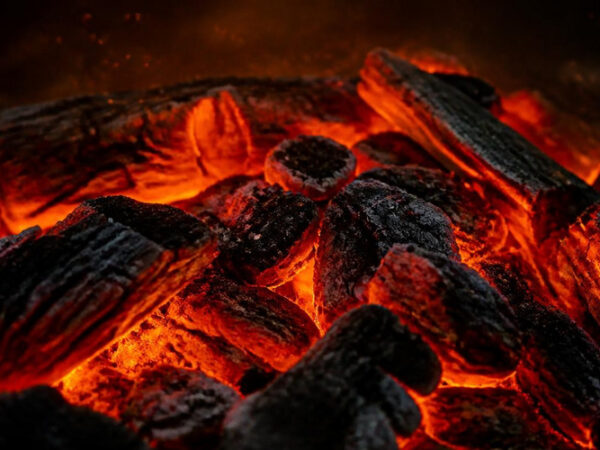
The kiln symbolizes the transformative power of fire. It is a place of metamorphosis, where base materials are purified and elevated into something durable and valuable. It represents the controlled application of extreme conditions to achieve a desired outcome. Symbolically, it is the womb of creation, the heart of industry, and a testament to human ingenuity in mastering the elements. It also symbolizes the hidden, internal process of change that is not visible until the final product is revealed.
Positive and Negative Meanings
Positive associations: The kiln symbolizes creation, craftsmanship, and the positive power of transformation. It represents the ability to endure hardship and emerge stronger, purified, and more refined. It is associated with skill, patience, and the sacred act of bringing art into existence through mastery of the elements.
Negative meanings: The kiln can also represent destruction, confinement, and the oppressive nature of intense, inescapable pressure. It symbolizes the potential for total loss in a failed firing, the irreversible nature of change, and the dangers of unchecked power. Historically, it has been associated with the horrors of crematoria and the oppressive heat of forced labor.
History and Origins of Kiln Symbolism
The symbolism of the kiln is deeply rooted in the Neolithic period, with the earliest known kilns dating back to around 6000 BCE in Mesopotamia. The invention of the kiln was a revolutionary leap in human technology, allowing for the creation of durable pottery, bricks, and later, metals and glass. This mastery over fire transformed human civilization, enabling permanent settlements and the development of art. The kiln’s symbolic weight comes from this ancient association with the fundamental human power to change the world through technology and craft. In alchemy, the kiln (or athanor) was the central tool for the opus magnum, the Great Work of transmuting base metals into gold, symbolizing spiritual purification and the perfection of the soul.
Kiln Symbolism in Different Cultures
In Japanese culture, the anagama kiln is central to the aesthetics of Raku and Hagi pottery, deeply intertwined with the Zen Buddhist philosophy of wabi-sabi (finding beauty in imperfection). The firing process is a spiritual event, often involving prayers and rituals. In Chinese culture, the dragon kilns of the South were technological marvels that produced the world’s finest porcelain, symbolizing imperial power, wealth, and cultural sophistication. The kiln was a guarded secret, representing the pinnacle of human achievement. In Western alchemical tradition, the kiln (athanor) was the symbol of the philosopher’s work, representing the slow, patient, and secretive process of spiritual and material refinement. In African cultures, traditional kilns are community focal points, symbolizing collective effort, sustenance, and the transmission of ancestral knowledge.
Spiritual Meaning of the Kiln
Spiritually, the kiln represents the soul’s journey through suffering and purification. It is the “furnace of affliction” where the ego is burned away, revealing the true, unbreakable spirit. It symbolizes the intense inner work required for spiritual growth, where one must face the fires of truth and transformation to shed impurities. The kiln is a sacred space of death and rebirth, a microcosm of the alchemical process of turning the lead of the human condition into the gold of enlightenment.
Kiln in Myths and Folklore
In the Bible, the fiery furnace (a type of kiln) is a test of faith for Shadrach, Meshach, and Abednego, symbolizing divine protection and the triumph of faith over oppressive power. In Greek mythology, the forge of Hephaestus, god of fire and metalworking, is a mythical kiln where divine weapons and armor were crafted, symbolizing the combination of raw power with divine skill. In Japanese folklore, the Raku kiln is said to have been blessed by the Zen master Sen no Rikyu, giving the pottery produced within it a spiritual quality. The kiln appears in fairy tales as the domain of witches or magical craftsmen, a place of both danger and miraculous creation.
Kiln in Dreams
Dreaming of a kiln often represents a period of intense personal transformation. It can signify that the dreamer is undergoing a “firing” process in their waking life, facing challenges that will ultimately make them stronger. The state of the kiln in the dream is crucial. A well-tended, productive kiln suggests controlled growth and successful change. A broken or cold kiln can indicate stagnation or a failure to complete a necessary transformation. Being inside a kiln might represent feeling trapped by intense pressure or a profound spiritual rebirth.
Common Dream Scenarios
- Firing a kiln: Actively engaging in a process of creation or change in your life, taking control of a situation.
- Opening a kiln to find ruined pottery: Fear of failure, wasted effort, or the irreversible consequences of a decision.
- Being trapped inside a kiln: Feeling overwhelmed by pressure, stress, or a situation from which there seems to be no escape.
- An ancient or abandoned kiln: A connection to the past, forgotten skills, or latent potential waiting to be rekindled.
Kiln in Superstitions and Omens
In many pottery traditions, it is considered bad luck to open a kiln too early, as the sudden change in temperature can crack the pieces. This has evolved into a superstition about patience and trusting the process. Some cultures believe that the spirit of the kiln must be appeased with offerings or specific rituals before a firing to ensure success. A kiln that fires perfectly is seen as a good omen for the project or the community, while a kiln that explodes or fails is a sign of discord or bad fortune.
Kiln in Art and Literature
The kiln is a central motif in the novel A Pale View of Hills by Kazuo Ishiguro, where the memory of a kiln firing is linked to themes of destruction, memory, and the aftermath of the Nagasaki bombing. In the film Ghost, the potter’s wheel and kiln are used to symbolize love, creation, and the tangible connection between the physical and spiritual worlds. The poetry of M.C. Richards, particularly Centering in Pottery, Poetry, and the Person, uses the kiln as a metaphor for the creative and spiritual process of becoming whole.
Kiln Tattoo Meaning
Kiln tattoos are rare but highly symbolic, often chosen by potters, ceramicists, or individuals who identify with the transformative power of fire. A kiln tattoo can symbolize a personal journey through hardship, a dedication to the craft of creation, or an alchemical view of life. It represents the wearer as an artist of their own life, capable of withstanding intense heat to produce something beautiful and lasting.
Meanings of Different Types of Kilns
The type of kiln influences its symbolism. A Raku kiln is small and quick, symbolizing spontaneity, risk, and the beauty of chance. A bottle kiln or beehive kiln, historically used for brickmaking, symbolizes industrial heritage, collective labor, and the foundations of civilization. A gas or electric kiln represents modern precision, control, and the democratization of craft. The color of the kiln’s fire (reduction vs. oxidation atmosphere) symbolizes different spiritual states: oxidation for clarity and purity, reduction for mystery and depth.
Frequently Asked Questions
Q: What does a kiln symbolize in spiritual terms?
A: In spiritual terms, the kiln symbolizes the crucible of transformation, where the soul is purified and strengthened through intense trials, much like clay is fired into ceramic.
Q: What is the difference between a kiln and a furnace symbolically?
A: While both use fire, a furnace is often associated with industry, destruction, or providing warmth. A kiln is more specifically linked to the controlled, creative process of transforming materials like clay into art, emphasizing craftsmanship and alchemy.
Q: Is a kiln a positive or negative symbol?
A: The kiln is a dual symbol. It is positive in its association with creation, mastery, and purification, but negative when representing destruction, oppressive pressure, or irreversible loss.
Related Symbols
- Fire: The fundamental element of the kiln, representing both destruction and creation.
- Furnace: A broader symbol of intense heat, industry, and trial.
- Alchemy: The kiln is the central tool for the alchemical Great Work of transformation.
- Pottery: The direct product of the kiln, symbolizing human creation from the earth.
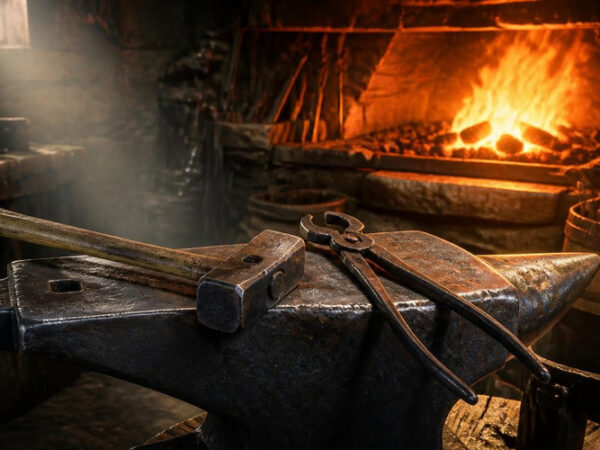
- Forge: The blacksmith’s equivalent, symbolizing the shaping of metal through fire and hammer.