Briefly
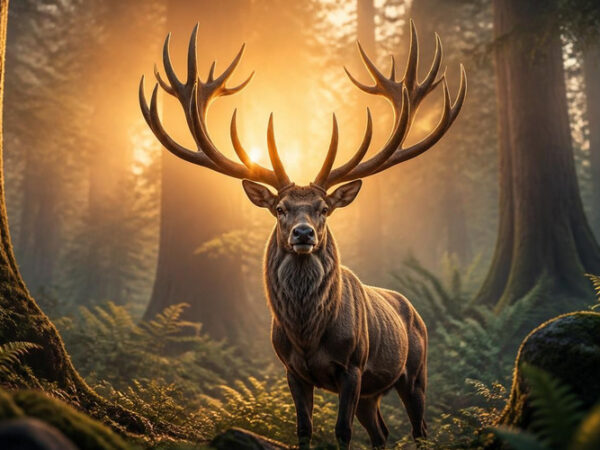
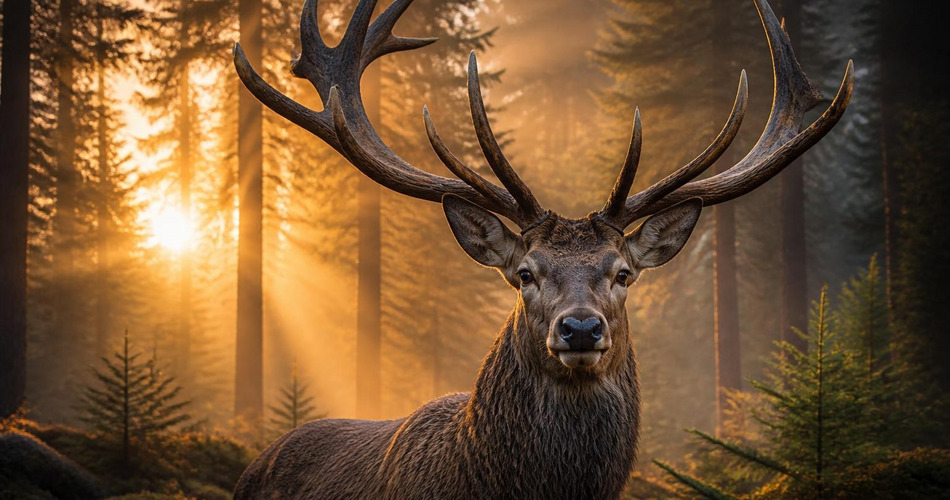
Antlers are bony structures that grow annually on members of the deer family, including deer, elk, moose, and caribou. Unlike horns, antlers are shed and regrown each year, making them powerful symbols of renewal, regeneration, and the cyclical nature of life. They also represent strength, virility, and a deep connection to the wild. Across many cultures, antlers are seen as spiritual antennas linking the earthly and divine realms, and they appear in mythology, shamanic practices, and modern symbolism as emblems of protection and masculine energy.
What Does Antler Symbolize?
Antlers primarily symbolize renewal and the cycle of life, death, and rebirth. The annual shedding and regrowth process mirrors natural rhythms and personal transformation. They also stand for strength and dominance, as male deer use antlers to compete for mates and establish hierarchy. In many traditions, antlers are associated with the forest, the hunt, and a primal connection to nature. Their branching shape suggests growth, expansion, and the reaching toward higher spiritual understanding. Additionally, antlers are often seen as protective symbols, warding off negative energies and representing the guardian aspect of the wild.
Positive and Negative Meanings of Antler
Positive associations: Antlers are linked to vitality, fertility, and the life force. They represent the ability to shed old burdens and grow anew, encouraging personal development and resilience. In spiritual contexts, they are seen as conduits for divine wisdom and a reminder of the interconnectedness of all living things. As a symbol of the hunter, antlers also signify resourcefulness and the ability to provide.
Negative meanings: In some contexts, antlers can symbolize aggression, conflict, and the darker aspects of masculine power. The competitive battles between stags may represent rivalry, pride, or unchecked dominance. In folklore, antlers are sometimes associated with the devil or demonic figures, as in the depiction of the horned god, which can evoke fear or moral warning. Additionally, because antlers are often hunting trophies, they may symbolize death, conquest, or the exploitation of nature.
History and Origins of Antler Symbolism
The use of antlers in human culture dates back to prehistoric times. Cave paintings from the Paleolithic era, such as those at Lascaux in France, depict deer and antlered figures, suggesting early spiritual or hunting significance. Antlers were used as tools, weapons, and ceremonial objects by many indigenous peoples. In Celtic mythology, the god Cernunnos is depicted with antlers, representing the wild, fertility, and the underworld. In Norse mythology, the god Odin’s horse Sleipnir is sometimes associated with antlers, and deer appear in creation myths. The ancient Scythians and Siberian shamans used antlers in rituals to connect with the spirit world. Over time, antler symbolism evolved into a broader emblem of nature’s cycles and masculine power.
Antler Symbolism in Different Cultures
In Native American cultures, antlers are revered as symbols of the hunt and the provider. The deer is seen as a gentle yet powerful spirit animal, and antlers are used in headdresses and regalia to convey status and connection to the animal world. In Celtic tradition, the antlered god Cernunnos embodies the forest, animals, and the cycle of life and death. He is often depicted surrounded by creatures and holding a torc, representing wealth and sovereignty. In East Asian cultures, the deer is a symbol of longevity and good fortune, and antlers are used in traditional medicine as a tonic for vitality. In Hinduism, the deer is associated with the god Shiva and the concept of the mind’s restlessness, while antlers appear in iconography of the forest deity. In European heraldry, antlers appear on coats of arms to signify strength, speed, and nobility.
Spiritual Meaning of Antler
Spiritually, antlers are seen as antennas that connect the physical world with higher realms. Their branching form resembles a tree, symbolizing the axis mundi or world tree that links heaven, earth, and the underworld. In shamanic traditions, antlers are used as tools for journeying, divination, and healing. They represent the ability to navigate between worlds and access hidden knowledge. The annual regrowth of antlers mirrors spiritual rebirth and the soul’s journey toward enlightenment. Meditating on antlers can inspire personal transformation, letting go of the old to make way for the new.
Antler in Myths and Folklore
Antlers appear prominently in myths and folklore worldwide. In Celtic mythology, Cernunnos is the horned god of the wild, often depicted with large antlers, symbolizing the untamed aspects of nature and the cycle of life. In Greek mythology, the deer is sacred to Artemis, the goddess of the hunt, and the golden-horned deer of Ceryneia was a mythical creature that Hercules had to capture. In Norse mythology, the deer Eikþyrnir stands on the roof of Valhalla, and its antlers drip water that feeds the rivers of the world. In Siberian shamanism, antlers are used in rituals to communicate with animal spirits and ancestors. In European folklore, antlers are sometimes associated with the Wild Hunt, a ghostly procession led by a horned figure. In some traditions, finding an antler is considered good luck, while dreaming of antlers can foretell a challenge or a period of growth.
Antler in Dreams
Dreaming of antlers often relates to themes of personal growth, strength, and the need to shed old patterns. The dream may indicate a period of renewal or a call to embrace one’s inner power. Seeing a deer with large antlers can symbolize a dominant male figure or a challenge to one’s authority. Broken antlers may represent lost strength or a failure to protect oneself. The context of the dream is important: antlers in a peaceful forest suggest harmony with nature, while antlers in a violent setting may warn of conflict.
Common Dream Scenarios with Antlers
- Seeing a deer with large antlers: Often represents a powerful male influence, competition, or the need to assert oneself.
- Finding shed antlers on the ground: Symbolizes letting go of the past, a completed cycle, or an opportunity for renewal.
- Wearing antlers: May indicate a desire to connect with nature, embrace one’s wild side, or take on a leadership role.
- Broken or damaged antlers: Suggests vulnerability, loss of status, or a need to heal from a conflict.
- Antlers growing from your own head: Represents personal growth, spiritual awakening, or the emergence of inner strength.
Antler in Superstitions and Omens
In many cultures, antlers are considered protective talismans. Hanging antlers above a doorway is believed to ward off evil spirits and bring good luck to the household. In some European traditions, finding a shed antler is a sign of prosperity and a blessing from the forest spirits. Conversely, dreaming of antlers in a negative context can be seen as an omen of conflict or a warning to be cautious in dealings with others. In hunting communities, antlers are often kept as trophies to honor the animal’s spirit and ensure future successful hunts.
Antler in Art and Literature
Antlers have been depicted in art for millennia, from prehistoric cave paintings to contemporary works. In the medieval tapestry “The Hunt of the Unicorn,” antlers appear as part of the forest setting. In literature, antlers feature in the poem “The Stag” by James Dickey, where the deer’s antlers symbolize the wild and the untamed. In J.R.R. Tolkien’s “The Lord of the Rings,” the antlered helm of the Riders of Rohan evokes strength and nobility. In modern art, antlers are often used in sculptures and installations to explore themes of nature, mortality, and the cycle of life. The antler motif is also common in jewelry and decorative objects, symbolizing a connection to the natural world.
Antler Tattoo Meaning
Antler tattoos are popular for their rich symbolism. They often represent a connection to nature, personal growth, and resilience. The branching shape can symbolize the tree of life or spiritual expansion. A deer or stag with antlers is a common design for those who identify with the animal’s grace and strength. Antler tattoos can also signify a hunter’s spirit or a respect for wildlife. Some people choose antler tattoos to commemorate a transformative period in their lives, echoing the antler’s cycle of shedding and regrowth. Placement on the body can enhance the meaning: antlers on the head or shoulders emphasize mental strength and leadership, while on the back or arms they may represent protection.
Meanings of Different Types of Antlers
- Deer antlers: Often symbolize gentleness, grace, and the balance between strength and sensitivity. They are associated with the forest and the cycle of the seasons.
- Elk antlers: Represent endurance, stamina, and the ability to thrive in harsh environments. Elk are larger and more powerful, so their antlers emphasize dominance and protection.
- Moose antlers: With their broad, palmate shape, moose antlers symbolize a wide-reaching vision, stability, and the capacity to handle heavy burdens. They are also linked to solitude and the northern wilderness.
- Caribou antlers: Unique because both males and females grow antlers, caribou antlers symbolize equality, adaptability, and the collective strength of the herd. They are associated with migration and survival in extreme cold.
Frequently Asked Questions about Antler Symbolism
Q: What does it mean when you find an antler?
A: Finding an antler is often considered a sign of good luck and a reminder of nature’s cycles. It may indicate that you are entering a period of renewal or that you should pay attention to your personal growth.
Q: Are antlers a symbol of masculinity?
A: Yes, antlers are frequently associated with masculine energy, virility, and dominance, especially in the animal kingdom where males use them to compete for mates. However, they also represent protection and the nurturing aspect of the wild.
Q: What is the spiritual meaning of antlers?
A: Spiritually, antlers are seen as antennas connecting the earthly and divine realms. They symbolize spiritual growth, enlightenment, and the ability to navigate between different states of consciousness.
Q: Do antlers have negative meanings?
A: In some contexts, antlers can symbolize aggression, conflict, or the darker aspects of power. They are also associated with the devil in certain Christian iconography, though this is less common.
Q: What does a dream about antlers mean?
A: Dreams about antlers often relate to personal transformation, strength, or challenges. The specific details—such as the condition of the antlers and the dream setting—can provide more insight into the message.
Related Symbols
- Horns – Unlike antlers, horns are permanent and grow throughout life; they symbolize power, protection, and divinity.
- Deer – The animal itself represents gentleness, grace, and the cycle of life.
- Tree of Life – The branching shape of antlers mirrors the tree of life, symbolizing growth and connection.
- Cernunnos – The Celtic horned god, often depicted with antlers, representing nature and the underworld.
- Stag – A mature male deer, symbolizing majesty, independence, and the wild.