
Briefly
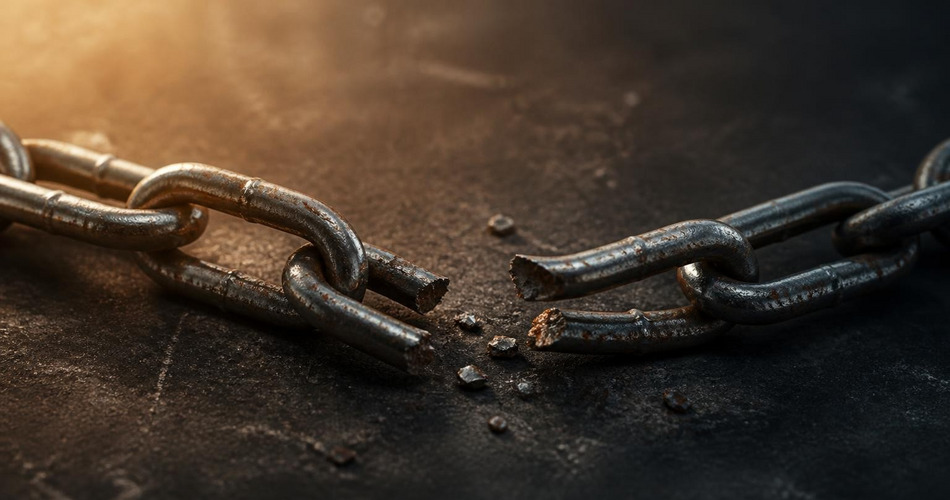
The broken chain is a powerful symbol of liberation, independence, and the end of bondage. It represents the act of breaking free from physical, emotional, or societal constraints, often associated with overcoming oppression, slavery, or restrictive relationships. While it primarily conveys positive themes of freedom and triumph, it can also signify loss, severed connections, or the painful end of a bond. The symbol appears in historical emblems, abolitionist imagery, and modern contexts such as tattoos and art.
What Does a Broken Chain Symbolize?
A broken chain universally symbolizes freedom from restraint. Chains themselves represent confinement, obligation, or enslavement, so their breakage signifies the removal of those limitations. This can be literal, as in the emancipation of slaves, or metaphorical, such as breaking free from addiction, toxic relationships, or oppressive systems. The symbol also conveys triumph over adversity, personal growth, and the courage to sever ties that no longer serve a purpose.
In a broader sense, a broken chain can represent the end of a cycle or a transition into a new phase of life. It is often used to mark historical moments of liberation, such as the abolition of slavery or the fall of dictatorships. The image of a broken chain is instantly recognizable and carries a strong emotional weight, making it a potent emblem in both public monuments and personal expressions.
Positive and Negative Meanings of Broken Chain
Positive associations: The broken chain is overwhelmingly seen as a positive symbol. It represents liberation, independence, and the successful overcoming of obstacles. It embodies the human spirit’s resilience and the desire for self-determination. In personal contexts, it can signify breaking free from harmful habits, unhealthy relationships, or limiting beliefs, leading to personal empowerment and renewal.
Negative meanings: On the negative side, a broken chain can symbolize loss of connection, severed relationships, or the painful end of a bond that was once important. It may also represent failure or collapse, such as a broken promise or a disrupted chain of command. In some contexts, it can evoke feelings of abandonment or isolation, especially if the break was unwanted or traumatic.
History and Origins of Broken Chain Symbolism
The use of chains as symbols of bondage dates back to ancient civilizations, where captives were often depicted in chains. The broken chain as a specific emblem of liberation emerged prominently during the abolitionist movements of the 18th and 19th centuries. Abolitionists used the image of a broken chain on pamphlets, seals, and medals to advocate for the end of slavery. One of the most famous examples is the Statue of Liberty, which features a broken shackle and chain at its feet, symbolizing freedom from tyranny and oppression.
In heraldry, broken chains appear in the coats of arms of nations that gained independence, such as Haiti, where the broken chain on the national emblem represents the liberation from colonial rule. The symbol also appears in revolutionary iconography, such as the French Revolution’s use of broken chains to signify the overthrow of the monarchy. Over time, the broken chain has become a universal symbol of human rights and the fight against injustice.
Broken Chain Symbolism in Different Cultures
In Western culture, the broken chain is most strongly associated with the abolition of slavery and the struggle for civil rights. It appears in monuments, flags, and logos of organizations dedicated to freedom and equality. In African American culture, the broken chain is a powerful emblem of emancipation and resilience, often used in art and literature to represent the end of slavery and the ongoing fight for justice.
In Eastern cultures, chains can symbolize karmic ties or spiritual bondage. A broken chain may represent liberation from the cycle of rebirth or the release from worldly attachments. In Buddhist symbolism, breaking the chain of cause and effect (dependent origination) is associated with achieving enlightenment. Similarly, in Hindu philosophy, breaking the chains of karma is a step toward moksha, or spiritual liberation.
In many indigenous cultures, chains are not traditional symbols, but the concept of breaking free from colonial oppression has been adopted through the broken chain motif in modern art and activism. The symbol transcends cultural boundaries, resonating wherever people seek freedom from control.
Spiritual Meaning of a Broken Chain
Spiritually, a broken chain represents the release from karmic cycles, past traumas, and limiting patterns. It signifies the soul’s journey toward freedom and self-realization. In many spiritual traditions, the chain is a metaphor for the attachments that bind the spirit to the material world. Breaking that chain allows for spiritual growth and a deeper connection to the divine.
Meditation on the broken chain can be used as a tool for letting go of resentment, guilt, or fear. It encourages the practitioner to identify what holds them back and to find the strength to break those bonds. The broken chain is also a symbol of forgiveness, as releasing others from the chains of blame can lead to inner peace.
Broken Chain in Myths and Folklore
While the broken chain is not a central motif in most ancient myths, the idea of breaking free from bondage appears in stories of liberation. In Greek mythology, Prometheus was freed from his chains by Heracles, symbolizing the triumph of knowledge and rebellion against tyranny. In Norse mythology, the wolf Fenrir was bound by a magical chain but eventually breaks free at Ragnarök, representing the inevitable release of chaos.
In folklore, chains often appear in ghost stories as symbols of haunting or unfinished business. A broken chain in such tales might indicate a spirit that has finally found peace or a curse that has been lifted. These narratives use the chain as a metaphor for unresolved ties that must be severed for resolution.
Broken Chain in Dreams
Dreaming of a broken chain often reflects a desire for freedom or a sense of release in waking life. It can indicate that the dreamer is overcoming a difficult situation or breaking free from a restrictive relationship, job, or mindset. The context of the dream—whether the chain is broken by the dreamer or found already broken—provides additional insight.
A broken chain in a dream may also signal the end of a commitment or the dissolution of a bond. It can be a positive omen of liberation or a warning about a severed connection that may have consequences. The emotional tone of the dream is key to interpretation.
Common Dream Scenarios of Broken Chains
- Breaking a chain yourself: Indicates personal agency and the successful effort to free yourself from a constraint. It suggests strength and determination.
- Finding a broken chain: Suggests that an obstacle has already been removed or that an opportunity for freedom is presenting itself without effort.
- Wearing a broken chain: May symbolize that you are still attached to something that no longer holds power over you, or that you are holding onto a broken relationship.
- Someone else breaking your chain: Represents external help in achieving liberation, such as support from friends, family, or a higher power.
- A chain breaking unexpectedly: Can indicate a sudden release or an unforeseen change that brings freedom, but may also cause disorientation.
Broken Chain in Superstitions and Omens
In some superstitions, a broken chain is considered a bad omen, especially if it breaks while in use. For example, a broken necklace chain might be seen as a sign of a broken relationship or a loss of protection. Conversely, finding a broken chain on the ground can be interpreted as a positive sign that a burden has been lifted.
In maritime folklore, a broken anchor chain was seen as a warning of impending danger or a sign that a voyage would be disrupted. In general, the interpretation of a broken chain as an omen depends heavily on the context and the culture. It is often viewed as a call to examine what binds you and to consider whether those ties are healthy.
Broken Chain in Art and Literature
The broken chain is a recurring motif in art and literature, particularly in works addressing freedom and oppression. One of the most iconic representations is the Statue of Liberty (1886), where a broken shackle and chain lie at the statue’s feet, symbolizing the end of slavery and tyranny. This imagery was intentional, as the statue was a gift from France to commemorate the abolition of slavery in the United States.
In literature, the broken chain appears in abolitionist writings, such as the poetry of Phillis Wheatley and the narratives of former slaves. The phrase “break the chains” is used metaphorically in countless works, from political speeches to novels. The Haitian coat of arms features a broken chain, representing the nation’s independence from France. In modern art, the broken chain is often used in protest posters, murals, and tattoos to convey resistance and hope.
Broken Chain Tattoo Meaning
A broken chain tattoo is a popular design that symbolizes personal liberation, overcoming hardship, and independence. It can represent breaking free from addiction, an abusive relationship, or a difficult past. Many people choose this tattoo to commemorate a significant life change or to assert their autonomy.
The design can vary: a single broken link, a chain snapped in two, or a chain with a broken lock. Some incorporate other elements like birds, keys, or flowers to enhance the meaning. The broken chain tattoo is especially meaningful for survivors of trauma or those who have fought for their freedom, making it a powerful emblem of resilience.
Meanings of Different Types of Broken Chains
- Broken metal chain: Represents physical liberation or the end of a tangible constraint, such as imprisonment or slavery.
- Broken necklace or bracelet chain: Often symbolizes a broken relationship, lost love, or the end of a personal bond.
- Broken chain with a lock: Suggests that a barrier has been removed or a secret has been revealed; the lock may represent a promise or a restriction.
- Chain broken by force: Indicates a violent or abrupt liberation, possibly involving conflict or struggle.
- Chain broken naturally (rusted or worn): Symbolizes the gradual erosion of constraints over time, such as the natural end of a cycle or the slow process of healing.
Frequently Asked Questions about Broken Chains
Q: What does a broken chain symbolize in a dream?
A: In dreams, a broken chain often symbolizes liberation from a restrictive situation or the end of a burden. It can also indicate a severed relationship or a loss of connection, depending on the context.
Q: Is a broken chain a good luck symbol?
A: Generally, a broken chain is considered a positive symbol of freedom and overcoming obstacles. However, in some superstitions, it can be seen as a warning of a broken bond or loss.
Q: What does a broken chain tattoo mean?
A: A broken chain tattoo typically represents personal liberation, independence, and triumph over adversity. It is often chosen by people who have overcome addiction, abuse, or other forms of bondage.
Q: Where can I see the broken chain symbol in history?
A: The broken chain appears on the Statue of Liberty, the coat of arms of Haiti, and in many abolitionist medals and flags. It is a prominent symbol of emancipation and human rights.
Related Symbols
- Unbroken chain – represents bondage, obligation, or connection
- Broken shackles – similar meaning of liberation from slavery
- Key – symbolizes unlocking freedom or secrets
- Open cage – represents release and freedom
- Freedom bird – often paired with broken chains in art