Briefly
A burning candle is a powerful and universal symbol found across cultures and centuries. It primarily represents life itself, with the flame embodying the soul or spirit, and the melting wax marking the passage of time. As a source of light in darkness, it stands for hope, guidance, and enlightenment. Whether used in religious rituals, celebrations, or quiet moments of reflection, the burning candle speaks to the human experience of transience, faith, and the search for meaning.
What Does the Burning Candle Symbolize?
The symbolism of a burning candle is rich and multifaceted. At its core, the candle is a source of light, making it a universal emblem of hope, truth, and knowledge in the face of darkness or ignorance. The act of lighting a candle can signify the beginning of a ceremony, a prayer, or a moment of remembrance.
The flame itself is often seen as a representation of the human soul or spirit, flickering and alive, yet fragile and dependent on its fuel. The process of the candle burning down, with the wax melting and the wick being consumed, serves as a poignant metaphor for the passage of time and the finite nature of life. This duality of light and consumption makes the candle a symbol of both celebration and mourning.
Positive and Negative Meanings of the Burning Candle
Positive associations: The burning candle is overwhelmingly a positive symbol. It represents hope in times of despair, spiritual illumination, romantic love, and the warmth of community. Candles are central to celebrations like birthdays and weddings, symbolizing joy, new beginnings, and the light of life.
Negative meanings: The candle’s transient nature gives it a melancholic side. It powerfully symbolizes the fragility and brevity of life, the inevitability of decay, and the approach of death. A candle burning out can represent exhaustion, the end of a relationship, or the loss of hope. In some contexts, a guttering or sputtering flame can be an omen of bad news or an unsettled spirit.
History and Origins of the Burning Candle Symbolism
The history of the candle as a symbol is intertwined with the history of fire and light itself. Before the advent of electricity, the open flame of a candle or oil lamp was the primary source of light after sunset. This practical necessity naturally imbued the candle with profound symbolic weight. In ancient times, fire was seen as a gift from the gods, and the controlled flame of a candle became a sacred tool.
Early Christians adopted the candle as a symbol of Christ as the “Light of the World,” and it became central to liturgical practices. In Jewish tradition, the menorah and the Hanukkah candles commemorate miracles and the rededication of the Temple. Similarly, in Hindu and Buddhist traditions, the offering of light (aarti, butter lamps) represents the dispelling of spiritual darkness and the attainment of enlightenment. The candle’s journey from a utilitarian object to a profound spiritual symbol is a cornerstone of its meaning.
Burning Candle Symbolism in Different Cultures
In Western culture, the candle is deeply embedded in both religious and secular life. The Advent wreath features candles to mark the weeks of anticipation before Christmas. The birthday cake candle, a tradition tracing back to ancient Greece, carries wishes and prayers to the gods. Memorial candles, such as those lit on All Souls’ Day or in remembrance of a loved one, serve as a light for the departed soul.
In Eastern cultures, candles and lamps hold similar weight. The Hindu festival of Diwali, the festival of lights, involves lighting rows of lamps (diyas) to symbolize the victory of light over darkness and good over evil. In Buddhism, offering a candle or butter lamp is an act of merit, representing the light of wisdom that clears away the darkness of ignorance. Across these diverse traditions, the core symbolism of light, hope, and spiritual presence remains remarkably consistent.
Spiritual Meaning of the Burning Candle
Spiritually, the burning candle is a tool for focus and intention. The flame is often used in meditation as a point of concentration (trataka), helping to quiet the mind and look inward. The act of lighting a candle can be a powerful ritual act, signaling a transition into a sacred space or a moment of prayer.
The candle is also seen as a bridge between the physical and spiritual worlds. The light of the candle is thought to attract positive energy and dispel negative forces. The melting wax can be interpreted as the material world being transformed by the spirit. For many, a burning candle in a home is a sign of a welcoming spirit, a prayer for protection, or a beacon for loved ones who have passed away.
Burning Candle in Myths and Folklore
Folklore is rich with candle imagery. The phrase “burning the candle at both ends” speaks to the folly of overexertion and the finite nature of one’s resources. The tradition of making a wish before blowing out a birthday candle is a piece of living folklore, rooted in the idea that the smoke carries the wish to the heavens.
In European folklore, a candle flame that turns blue or flickers strangely is sometimes said to indicate the presence of a ghost or spirit. The “corpse candle” or “will-o’-the-wisp” is a folkloric light seen over marshlands, believed to be a mischievous spirit leading travelers astray, a dark twist on the guiding light of a true candle. These tales highlight the candle’s role as a symbol of both guidance and mystery.
Burning Candle in Dreams
In the landscape of dreams, a burning candle often appears as a symbol of the dreamer’s inner light, hope, or spiritual life. The state of the candle in the dream provides clues to its meaning. A brightly burning candle suggests clarity, confidence, and spiritual well-being. A flickering or struggling flame can indicate doubt, illness, or a wavering sense of purpose.
Dreaming of lighting a candle can represent a new beginning, a moment of insight, or the act of seeking guidance. Conversely, a candle that goes out suddenly can be a powerful symbol of death, the end of a relationship, or a profound disappointment. The melting wax in a dream can symbolize the passing of time or the feeling of one’s energy being consumed by daily life.
Common Burning Candle Dream Scenarios
- Lighting a candle: Symbolizes a new beginning, seeking clarity, or starting a spiritual practice.
- A candle burning brightly: Represents hope, strong faith, inner peace, and a clear path forward.
- A candle flickering wildly: Indicates uncertainty, emotional turmoil, or a wavering commitment.
- A candle going out: Can signify an ending, loss of hope, death of a loved one, or the completion of a cycle.
- Holding a candle in the dark: Suggests you are seeking guidance or trying to find your way through a difficult situation.
Burning Candle in Superstitions and Omens
Superstitions surrounding candles are common across many cultures. One of the most enduring is the tradition of making a wish on a birthday candle. If the wish is kept secret and the candle is blown out in a single breath, the wish is believed to come true. This practice connects the candle’s flame to the power of intention and fate.
Ceromancy, or reading a candle’s flame and wax, is an ancient form of divination. A steady, tall flame is a good omen, while a sputtering or smoking flame might be seen as a warning. A candle that refuses to stay lit is sometimes considered a bad omen, suggesting that the spiritual work is being blocked or that the timing is not right. In some traditions, a candle left burning in an empty room is thought to attract spirits or fairies.
Burning Candle in Art and Literature
The burning candle is a potent motif in Western art and literature. In Shakespeare’s Macbeth, the line “Out, out, brief candle!” is a stark metaphor for the fleeting and fragile nature of life. This phrase has become a common idiom for the sudden end of life or a short-lived joy.
In the visual arts, the candle is a central feature of 17th-century Dutch vanitas paintings. Artists like Pieter Claesz painted still lifes featuring a candle, a skull, and an hourglass to remind viewers of the certainty of death and the vanity of worldly pursuits. Conversely, the candle can symbolize the light of faith, as seen in the works of Georges de La Tour, where a single candle flame illuminates the face of a penitent figure, representing divine presence and spiritual awakening. The candle’s ability to create intimate, dramatic lighting makes it a powerful tool for artists exploring themes of mortality, faith, and knowledge.
Frequently Asked Questions About the Burning Candle
Q: What does a burning candle generally symbolize?
A: A burning candle primarily symbolizes life, hope, light in darkness, spirituality, the passage of time, and remembrance.
Q: What does it mean when a candle goes out in a dream?
A: A candle going out in a dream often symbolizes an ending, the loss of hope, the death of a loved one, or the completion of a significant phase in life.
Q: Why are candles used in religious ceremonies?
A: Candles are used to represent the divine light, the presence of God or the sacred, to mark sacred time, and as an offering or focus for prayer.
Q: What is the meaning of a birthday candle?
A: The birthday candle symbolizes the light of life and the celebration of another year. The tradition of making a wish connects the flame to the power of intention and hope for the future.
Symbols Related to the Burning Candle
- Flame: The spirit, passion, and the transformative power of fire.
- Light: Knowledge, truth, and divine presence.
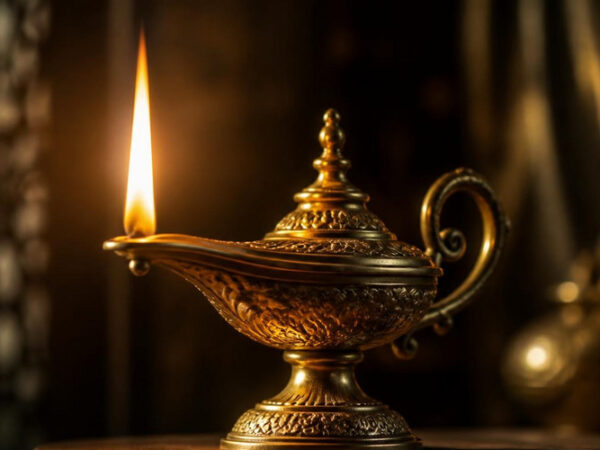
- Lamp: Guidance, wisdom, and the enduring light of the soul.
- Fire: Purification, destruction, and creative energy.
- Incense: Prayer, purification, and the elevation of the spirit.