Briefly
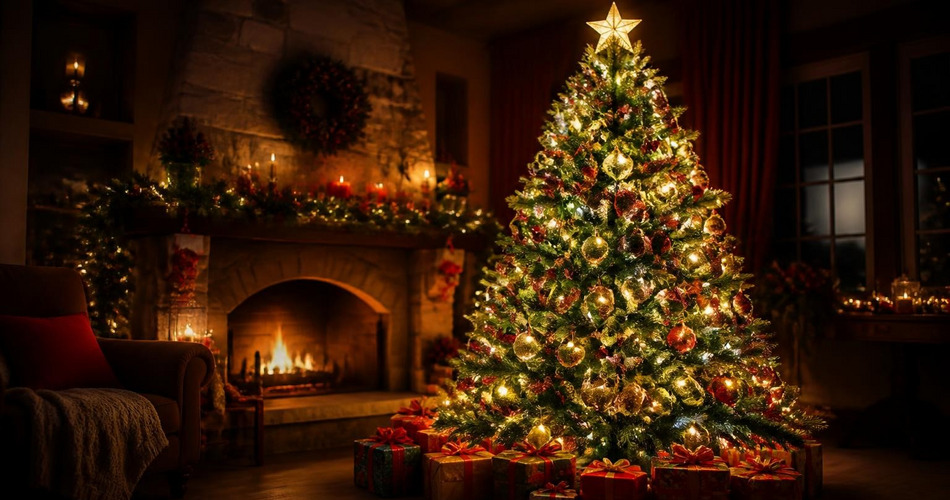
The Christmas tree is a powerful symbol of life, renewal, and hope during the darkest time of the year. Its evergreen needles represent endurance and eternal life, while the lights and ornaments signify joy, light overcoming darkness, and the spirit of giving. Rooted in ancient winter solstice traditions and later embraced by Christianity, the Christmas tree has become a universal emblem of family celebration and seasonal cheer.
What Does the Christmas Tree Symbolize?
The Christmas tree primarily symbolizes life and renewal. As an evergreen, it remains green through the harshest winter, representing resilience and the promise of spring. The tree is also a symbol of family togetherness, as families gather to decorate it and exchange gifts beneath its branches. Its triangular shape has been interpreted as pointing toward heaven, linking the earthly celebration to the divine.
In a broader sense, the Christmas tree embodies hope and light. The tradition of placing a star or angel on top recalls the Star of Bethlehem, guiding the way to new beginnings. The lights strung on the tree symbolize the triumph of light over darkness, a theme central to many winter festivals.
Positive and Negative Meanings
Positive associations: The Christmas tree is overwhelmingly associated with joy, generosity, and family. It evokes feelings of nostalgia, warmth, and anticipation. Its evergreen nature symbolizes eternal life, faithfulness, and the enduring cycle of nature. The act of decorating together strengthens bonds and creates lasting memories.
Negative meanings: Some critics view the Christmas tree as a symbol of excessive consumerism and environmental waste. The mass production and disposal of real or artificial trees raise concerns about sustainability. Additionally, the tree’s pagan origins have led to occasional controversy within certain religious groups that see it as a secular or non-Christian symbol.
History and Origins of the Christmas Tree Symbolism
The use of evergreens in winter celebrations predates Christianity. Ancient Egyptians, Romans, and Celts brought green branches into their homes during the winter solstice as a symbol of life’s victory over death. In northern Europe, pagan tribes decorated trees with candles and offerings to honor the god Woden.
The modern Christmas tree tradition is widely credited to 16th-century Germany, where devout Christians brought decorated trees into their homes. Legend holds that Martin Luther, inspired by stars twinkling through evergreens, added candles to his tree. The custom spread to Britain in the 19th century, largely due to Prince Albert, Queen Victoria’s German husband, who introduced a decorated tree to Windsor Castle. From there, it became a global phenomenon.
Christmas Tree Symbolism in Different Cultures
In Western Christian cultures, the Christmas tree is a central symbol of the Nativity season, often placed in homes, churches, and public squares. In Germany, the tree is traditionally decorated on Christmas Eve and remains until Epiphany. In the United States, the National Christmas Tree in Washington, D.C., has been a symbol of national unity since 1923.
In many Eastern European countries, the tree is associated with New Year celebrations rather than Christmas, due to historical restrictions on religious observance. In China and Japan, where Christmas is not a traditional holiday, the tree is often adopted as a secular decoration symbolizing festivity and goodwill. In some cultures, the tree is replaced by other plants, such as the poinsettia in Mexico, but the evergreen tree remains the most recognized global icon of the season.
Spiritual Meaning of the Christmas Tree
For Christians, the Christmas tree holds deep spiritual significance. Its evergreen needles represent eternal life through Christ, and the star or angel atop the tree recalls the Annunciation and the Star of Bethlehem. The lights symbolize Jesus as the Light of the World, and the gifts beneath the tree echo the gifts of the Magi.
Beyond Christianity, the tree is seen as a symbol of the interconnectedness of all life. Its roots in the earth and branches reaching skyward mirror the human journey between the material and the spiritual. Many people use the tree as a focus for meditation, gratitude, and setting intentions for the coming year.
Christmas Tree in Myths and Folklore
One of the most enduring legends about the Christmas tree comes from German folklore. It tells of a poor woodcutter who welcomed a lost child into his home on Christmas Eve. The child, who was actually the Christ child in disguise, blessed the woodcutter’s family and turned a small fir tree into a glorious, decorated tree as a reward for their kindness.
In Scandinavian folklore, evergreens were believed to ward off evil spirits during the dark winter months. People would hang offerings on trees to appease the spirits of the forest. These practices later merged with Christian traditions, giving rise to the decorated Christmas tree we know today.
Christmas Tree in Dreams
Dreaming of a Christmas tree often reflects feelings about family, celebration, and the holiday season. A beautifully decorated tree can symbolize joy, abundance, and positive memories. Conversely, a bare or broken tree may indicate feelings of loss, loneliness, or unmet expectations.
The context of the dream is important. A tree that is too large or overwhelming might represent pressure to meet social or familial obligations. A tree that is being taken down could signal the end of a festive period or a transition in life.
Common Christmas Tree Dream Scenarios
- Decorating a Christmas tree: Suggests anticipation, creativity, and a desire to create harmony in your life.
- A tree falling or breaking: May indicate a disruption in family harmony or unexpected change.
- Receiving a gift under the tree: Represents reward, recognition, or a surprise blessing.
- An undecorated or bare tree: Could symbolize missed opportunities, sadness, or a need to reconnect with joy.
- Multiple Christmas trees: Might reflect abundance or, conversely, overwhelm from too many commitments.
Christmas Tree in Superstitions and Omens
- In some traditions, it is considered bad luck to put up the Christmas tree before December 1st, as it may invite misfortune or premature celebration.
- Leaving the tree up past Twelfth Night (January 5th or 6th) is thought to bring bad luck for the coming year.
- Finding a bird’s nest in a Christmas tree is seen as a sign of good luck and prosperity.
- Some believe that the first person to see the tree fully lit will have their wishes granted.
- In parts of Germany, a tree that does not stand straight is thought to foretell a quarrel in the household.
Christmas Tree in Art and Literature
The Christmas tree appears in numerous works of art and literature. Hans Christian Andersen’s story The Fir Tree (1844) follows a young tree that longs for grandeur and is eventually cut down for Christmas, only to be discarded—a poignant allegory about appreciating the present moment. Charles Dickens wrote an essay titled A Christmas Tree (1850) in which he describes the memories and emotions evoked by the tree, linking it to childhood wonder and family.
In visual art, the tree is a central motif in many holiday paintings, such as Norman Rockwell’s Christmas Tree series, which captures the warmth and humor of family traditions. In film, the tree plays a key role in It’s a Wonderful Life (1946), where the family gathers around it, and in A Charlie Brown Christmas (1965), where a small, scraggly tree becomes a symbol of the true meaning of Christmas.
Christmas Tree Tattoo Meaning
A Christmas tree tattoo often represents a deep connection to family, tradition, and the holiday spirit. It can symbolize nostalgia for childhood memories, a love of winter, or religious faith. The design may include ornaments, lights, or a star, each adding personal significance. Some people get the tattoo as a permanent reminder of a cherished family tradition or as a tribute to a loved one. The tree’s evergreen nature also makes it a symbol of endurance and hope.
Meanings of Different Christmas Tree Types, Colors, or Variations
- Real vs. artificial: A real tree is often associated with authenticity, nature, and the cycle of life and death. An artificial tree can symbolize practicality, sustainability (if reused), or a desire for convenience.
- Color of lights: White lights suggest purity and elegance; colored lights convey joy, playfulness, and diversity.
- Ornaments: Each ornament can carry personal meaning—heirloom ornaments represent family history, while handmade ones symbolize creativity and love.
- Star vs. angel topper: A star points to the Star of Bethlehem and divine guidance; an angel represents the Annunciation and heavenly protection.
- Flocked tree: A tree with artificial snow evokes a winter wonderland and can symbolize peace and stillness.
Frequently Asked Questions about Christmas Tree Symbolism
Q: What does a Christmas tree symbolize?
A: The Christmas tree symbolizes life, renewal, hope, and family togetherness. Its evergreen nature represents eternal life, and its lights signify the triumph of light over darkness.
Q: Why do we decorate a Christmas tree?
A: Decorating the tree is a tradition that began in 16th-century Germany. It combines pagan winter solstice practices with Christian symbolism, creating a festive focal point for family celebration.
Q: Is the Christmas tree a pagan symbol?
A: The use of evergreens in winter celebrations predates Christianity, but the modern Christmas tree as a decorated indoor tree is a Christian tradition that evolved from those earlier customs.
Q: What does a Christmas tree mean in dreams?
A: In dreams, a Christmas tree often reflects feelings about family, celebration, and the holiday season. The condition of the tree can indicate joy, loss, or transition.
Q: What is the spiritual meaning of a Christmas tree?
A: Spiritually, the Christmas tree represents eternal life, divine light, and the connection between earth and heaven. It is a symbol of hope and renewal.
Related Symbols
- Evergreen wreath – circle of life and eternal love
- Star of Bethlehem – divine guidance and hope
- Advent wreath – anticipation and preparation
- Poinsettia – Christmas flower symbolizing purity and celebration
- Yule log – warmth, light, and the winter solstice