
Briefly
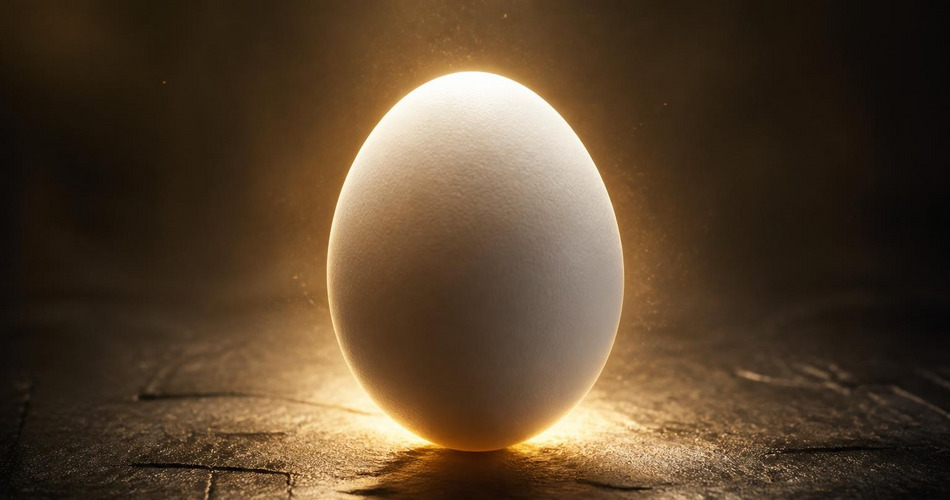
The egg is one of the most powerful and enduring symbols across human cultures. Its simple form — a fragile shell containing the potential for new life — makes it a natural emblem of fertility, birth, and renewal. At the same time, the egg’s enclosed, self-contained structure represents mystery, protection, and the hidden possibilities within. From ancient creation myths to modern Easter traditions, the egg symbolizes the cycle of life, death, and rebirth, as well as the promise of what is yet to come.
What Does the Egg Symbolize?
At its core, the egg symbolizes potential — the unseen life waiting to emerge. This makes it a universal sign of fertility and new beginnings. The egg’s hard outer shell protects a vulnerable interior, representing the idea of safe containment and the nurturing required for growth. Because the egg gives no outward sign of the life inside until it hatches, it also stands for mystery, secrecy, and the unknown. In many traditions, the egg is a microcosm of the universe itself: a round, complete whole that contains all the elements needed for creation.
Positive and Negative Meanings
Positive associations: The egg is overwhelmingly linked to positive concepts such as fertility, abundance, renewal, and hope. It represents the start of a new life cycle, the return of spring after winter, and the promise of growth. In many cultures, eggs are given as gifts to wish for prosperity and good fortune.
Negative meanings: A broken or rotten egg can symbolize disappointment, wasted potential, or corruption. In superstition, a cracked egg may foretell bad luck or the loss of an opportunity. The egg’s fragility also serves as a reminder of vulnerability and the ease with which new life — or a new beginning — can be destroyed.
History and Origins of Egg Symbolism
The egg has been a symbol since prehistoric times. Decorated ostrich eggs dating back 60,000 years have been found in Africa, suggesting early ritual use. In ancient Egypt, the egg was associated with the sun god Ra and the concept of creation from a primordial egg. The Orphic tradition in Greece described the “cosmic egg” from which the universe was born. In many Indo-European cultures, the egg was central to spring festivals marking the end of winter and the rebirth of nature. The practice of dyeing and exchanging eggs at Easter has its roots in these ancient pagan traditions, later adopted and adapted by Christianity to symbolize the resurrection of Christ.
Egg Symbolism in Different Cultures
In Chinese culture, eggs are often given to newlyweds or new parents as a symbol of fertility and a wish for many children. Red-dyed eggs are traditional at birthday celebrations and represent good luck and happiness. In Hinduism, the concept of Hiranyagarbha (the golden egg) appears in the Rigveda as the source of creation. In many African traditions, eggs are used in rituals to invoke ancestors or to cleanse spaces of negative energy. Among Slavic peoples, painted eggs (pysanky) are created with intricate patterns to protect against evil and bring health and prosperity. Across Europe, the egg is a central symbol of Easter, representing the tomb from which Christ emerged — a direct parallel to the egg’s natural symbolism of new life emerging from a sealed container.
Spiritual Meaning of Eggs
Spiritually, the egg is seen as a vessel of the soul or a container of divine essence. In many esoteric traditions, the egg represents the aura or the energy field surrounding a person. The practice of “egg cleansing” or “egg reading” in folk magic involves passing an egg over a person’s body to absorb negative energy, then interpreting the patterns in the yolk and white. The egg’s shape — a perfect oval with no beginning or end — also symbolizes eternity and the cyclical nature of existence. In meditation, visualizing oneself inside a protective egg of light is a common technique for grounding and shielding.
Eggs in Myths and Folklore
The cosmic egg appears in creation myths around the world. In the Chinese myth of Pangu, the universe began as a cosmic egg that split into heaven and earth. The Finnish epic Kalevala describes the world being formed from the fragments of a bird’s egg. In Norse mythology, the giant Ymir was born from a cosmic egg. Folklore also features magical eggs that grant wishes or reveal hidden truths, such as the golden goose in European fairy tales. The “egg of the phoenix” is a recurring motif in many cultures, symbolizing resurrection and immortality. In many folk traditions, an egg laid on Good Friday was believed to have protective powers and was kept for a year to guard against lightning and fire.
Eggs in Dreams
Dreaming of eggs often relates to new beginnings, potential, or hidden aspects of the self. A whole, fresh egg may indicate an opportunity or a project that is still developing. A broken egg can symbolize disappointment, a missed chance, or the release of something that was contained. Eggs in dreams can also represent fertility, creativity, or the birth of a new idea. The context of the dream — such as the number of eggs, their condition, and the dreamer’s actions — provides further nuance.
Common Egg Dream Scenarios
- Finding a nest of eggs: Often symbolizes discovery of hidden potential or resources, or a new phase of life.
- Eating an egg: May represent absorbing new knowledge or nurturing oneself; a spoiled egg can warn of something toxic in one’s life.
- Breaking an egg accidentally: Suggests a missed opportunity or the need to handle a delicate situation with care.
- Cracking an egg intentionally: Can indicate a willingness to break out of a shell, to reveal something hidden, or to begin a transformation.
- A golden egg: Often symbolizes great wealth, a rare opportunity, or something precious that requires protection.
- Many eggs: May represent abundance, multiple opportunities, or the potential for growth in several areas.
Egg Superstitions and Omens
Eggs feature prominently in superstition worldwide. In many European traditions, carrying an egg in one’s pocket was thought to protect against evil spirits. A double-yolked egg is often considered lucky, foretelling twins or a double blessing. Conversely, finding an egg with no yolk was seen as an omen of death or loss. In some cultures, it is bad luck to bring an egg into the house after dark, or to throw eggshells into the fire, as this could harm the souls of the unborn. In folk magic, eggs are used to absorb illness or bad luck, then disposed of to remove the negativity. The superstition that an egg laid by a black hen has special protective powers is found in several regions.
Eggs in Art and Literature
Eggs have appeared in art and literature as potent symbols. The Fabergé eggs created for the Russian imperial family are masterpieces of decorative art, symbolizing wealth, craftsmanship, and the fragility of imperial power. In literature, Sherwood Anderson’s short story “The Egg” (1919) uses the egg as a metaphor for the absurdity and disappointment of the American Dream. Andy Weir’s more recent short story “The Egg” (2010) presents the egg as a cosmic metaphor for the unity of all souls. In visual art, the egg appears in works by Salvador Dalí (e.g., “The Great Masturbator” includes an egg-like form) and in the surrealist paintings of René Magritte, where eggs often replace faces to evoke mystery and the hidden self. The egg also features prominently in the art of the Renaissance, where it symbolized the Virgin Birth and the purity of Christ.
Egg Tattoo Meaning
Egg tattoos are less common than many other symbols but carry deep meaning for those who choose them. An egg tattoo can represent new beginnings, fertility, or a fresh start after a difficult period. A cracked egg with a chick emerging symbolizes rebirth and the courage to break free from limitations. A golden egg tattoo may signify wealth, luck, or a rare opportunity. The egg’s simple shape also lends itself to minimalist designs, often paired with other elements like flowers, birds, or geometric patterns to enhance its symbolic message of potential and transformation.
Meanings of Different Types, Colors, or Variations
- Golden egg: Represents immense value, a rare find, or the ultimate prize. Often linked to the fable of the goose that laid the golden eggs, warning against greed.
- Broken egg: Symbolizes lost potential, vulnerability, or the end of a cycle. Can also represent a necessary release or the exposure of what was hidden.
- Red egg: In Chinese and many other cultures, red eggs are symbols of good luck, joy, and fertility, often given at celebrations.
- Black egg: Less common, but can represent mystery, the unknown, or protective magic in some folk traditions.
- Double-yolk egg: Considered lucky in many cultures, foretelling twins, abundance, or a double portion of blessings.
- Rotten egg: A symbol of decay, corruption, or something that has soured. Often used in idioms to describe a bad influence.
Frequently Asked Questions
Q: What does an egg symbolize in dreams?
A: In dreams, eggs generally symbolize new beginnings, potential, or hidden aspects of the self. The condition of the egg (whole, broken, rotten) provides further insight into whether the opportunity is ripe or has been missed.
Q: Why is the egg a symbol of Easter?
A: The egg became associated with Easter because early Christians adopted the pre-existing pagan symbol of spring and rebirth to represent the resurrection of Jesus. The hard shell of the egg symbolizes the sealed tomb, and the emerging chick represents Christ rising from the dead.
Q: What is the spiritual meaning of an egg?
A: Spiritually, the egg represents the soul, the universe in miniature, and the cycle of life, death, and rebirth. It is used in cleansing rituals to absorb negative energy and is seen as a protective vessel for divine essence.
Q: What does a golden egg symbolize?
A: A golden egg symbolizes great wealth, a rare opportunity, or something of immense value. It often carries a cautionary meaning about greed, as in the fable of the goose that laid the golden eggs.
Related Symbols
- Phoenix — shares the egg’s symbolism of rebirth and resurrection.
- Chick — the direct result of the egg’s hatching, representing new life and vulnerability.
- Nest — the protective container for eggs, symbolizing home, security, and nurturing.
- Cosmic Egg — the primordial egg from which the universe is born in many creation myths.
- Ouroboros — like the egg, represents cyclicality and the eternal return.