Briefly
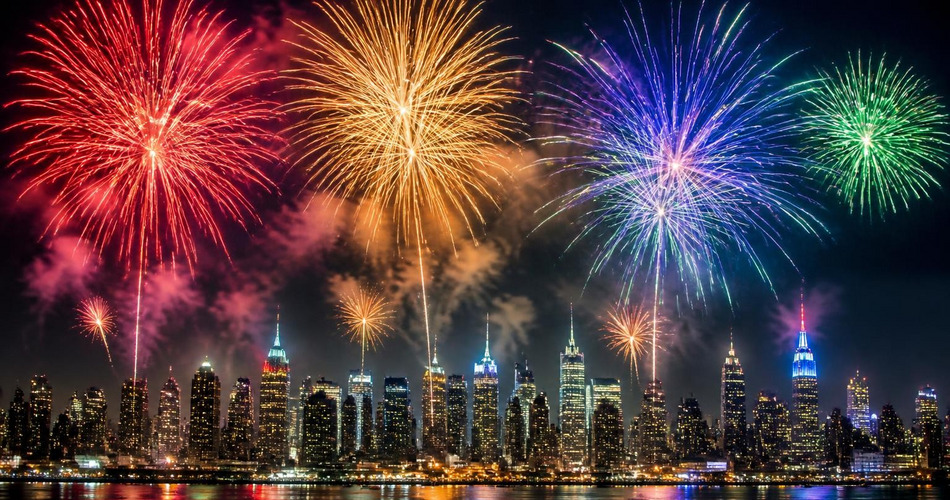
Fireworks are explosive devices that produce colorful light displays, commonly used in celebrations and festivals around the world. They symbolize joy, excitement, and the marking of important occasions such as New Year’s Eve, Independence Day, and religious festivals. At the same time, fireworks can represent danger, transience, and the fleeting nature of beauty, as their brilliant displays last only moments before fading into darkness.
What Do Fireworks Symbolize?
Fireworks primarily symbolize celebration and festivity. Their bright bursts of light and loud sounds are used to mark significant events, from national holidays to personal milestones like weddings and birthdays. The sudden illumination of the night sky can also represent revelation or a moment of clarity, as well as the triumph of light over darkness.
On a deeper level, fireworks embody the concept of ephemeral beauty—the idea that something can be spectacular yet temporary. This makes them a metaphor for life’s fleeting moments of happiness and the importance of appreciating the present. In some contexts, fireworks also symbolize power and authority, as they are often used in state-sponsored displays to demonstrate wealth and technological prowess.
Positive and Negative Meanings of Fireworks
Positive associations: Fireworks are universally linked to joy, excitement, and communal celebration. They bring people together for shared experiences of awe and wonder, often marking the culmination of a festival or the start of a new year. The vibrant colors and patterns can inspire creativity and optimism.
Negative meanings: Fireworks can also represent danger, destruction, and noise pollution. Mishandling fireworks leads to injuries and fires, and their loud bangs can cause distress to animals and people with sensory sensitivities. Additionally, the environmental impact of fireworks—air and water pollution from chemical residues—has led to growing criticism and calls for quieter, more eco-friendly alternatives.
History and Origins of Fireworks Symbolism
Fireworks were invented in China around the 7th century during the Tang Dynasty, initially as a way to scare away evil spirits. The first “firecrackers” were bamboo stalks thrown into fires, which exploded due to trapped air. By the 10th century, Chinese alchemists had discovered gunpowder, leading to the development of more sophisticated fireworks. The symbolism of fireworks as a means of warding off malevolent forces persisted, and they became integral to Chinese New Year celebrations.
From China, fireworks spread along the Silk Road to the Middle East and Europe. In the Renaissance, Italian pyrotechnicians refined the art, creating elaborate displays for royal courts and religious festivals. In Europe, fireworks came to symbolize royal power and national pride, often used to celebrate military victories and coronations. The tradition of fireworks on Independence Day in the United States began in 1777, one year after the Declaration of Independence, reinforcing their association with freedom and patriotism.
Fireworks Symbolism in Different Cultures
In China, fireworks are deeply tied to the legend of the monster Nian, who was afraid of loud noises and bright lights. Setting off fireworks during Lunar New Year is believed to drive away evil spirits and bring good luck for the coming year. The color red is especially prominent, as it symbolizes good fortune.
In Japan, fireworks (hanabi) are a summer tradition associated with festivals and the remembrance of ancestors. Hanabi displays are often accompanied by music and are seen as a way to honor the dead during Obon. The Japanese also appreciate the aesthetic of fireworks as “flowers of fire,” emphasizing their beauty and transience.
In Western cultures, fireworks are most commonly associated with New Year’s Eve and national independence days. In the United Kingdom, Guy Fawkes Night (Bonfire Night) features fireworks to commemorate the foiling of the Gunpowder Plot. In India, fireworks are used during Diwali, the festival of lights, to symbolize the victory of light over darkness and good over evil.
Spiritual Meaning of Fireworks
Spiritually, fireworks can represent the illumination of the soul or a moment of divine revelation. The sudden burst of light in the darkness is often seen as a metaphor for spiritual awakening or enlightenment. In many traditions, fireworks are used in religious ceremonies to celebrate deities or mark sacred times, such as the Hindu festival of Diwali, where they signify the inner light that protects from spiritual darkness.
Fireworks also embody the concept of impermanence, a key teaching in Buddhism. The fleeting nature of a firework display reminds observers to cherish the present moment and not cling to transient pleasures. This aligns with the idea of mindfulness and appreciating beauty without attachment.
Fireworks in Myths and Folklore
The most famous folklore involving fireworks is the Chinese legend of the monster Nian. According to the story, Nian would emerge at the end of each year to terrorize villagers. The people discovered that the creature feared loud noises, bright lights, and the color red. They began setting off firecrackers and hanging red lanterns to scare Nian away, a practice that evolved into the modern fireworks displays of Chinese New Year.
In European folklore, fireworks were sometimes associated with alchemy and the search for the philosopher’s stone, as early gunpowder experiments were often conducted by alchemists. However, no widespread myths specifically about fireworks exist in Western folklore; instead, fireworks were adopted into existing celebrations and given new symbolic meanings.
Fireworks in Dreams
Dreaming of fireworks often reflects feelings of excitement, celebration, or sudden inspiration. The bright bursts can symbolize a breakthrough or a moment of clarity in waking life. However, the context of the dream matters: if the fireworks are dangerous or out of control, they may indicate anxiety or a fear of losing control. Fireworks in dreams can also represent repressed emotions that are about to explode.
Common dream scenarios include watching fireworks from a distance (feeling left out of a celebration), setting off fireworks (taking action or expressing oneself), or being injured by fireworks (fear of consequences). These interpretations are based on common dream symbolism and should be considered as general guides rather than fixed meanings.
Common Fireworks Dream Scenarios
- Watching a fireworks display: You may be experiencing joy or anticipation in your waking life, or you might be an observer rather than a participant.
- Setting off fireworks: This suggests a desire to make a bold statement or to celebrate an achievement. It can also indicate a need for attention.
- Fireworks that fail to ignite: This may symbolize disappointment or unfulfilled expectations.
- Being caught in a fireworks explosion: This could represent feeling overwhelmed by sudden events or emotions.
- Colorful fireworks: The specific colors can add nuance—red for passion, blue for calm, gold for success.
Fireworks in Superstitions and Omens
In many cultures, fireworks are considered a powerful tool for dispelling negative energy and bad luck. The loud noise and bright light are believed to frighten away evil spirits, a practice rooted in Chinese folklore. During Diwali, fireworks are set off to ward off darkness and invite prosperity.
Some superstitions hold that watching fireworks at the start of a new year brings good fortune, while mishandling them can attract misfortune. In Western traditions, fireworks are often seen as a sign of celebration, but there is no widespread omen associated with them beyond their use in festive contexts.
Fireworks in Art and Literature
Fireworks have been a recurring motif in art and literature, often symbolizing celebration, transience, or dramatic revelation. In F. Scott Fitzgerald’s novel The Great Gatsby, fireworks are used during Gatsby’s extravagant parties to emphasize his wealth and the fleeting nature of his dreams. The display mirrors Gatsby’s own rise and fall.
In visual art, James McNeill Whistler’s painting Nocturne in Black and Gold – The Falling Rocket (1875) captures the beauty of fireworks over London, focusing on the abstract patterns of light and color. The work was controversial for its lack of clear subject, but it highlights the aesthetic appeal of fireworks as pure visual spectacle.
In popular music, Katy Perry’s song “Firework” (2010) uses fireworks as a metaphor for inner strength and self-expression. The lyrics encourage listeners to embrace their uniqueness and shine brightly, much like a firework. The song’s music video features actual fireworks, reinforcing the symbolism.
In film, fireworks often appear in climactic scenes, such as the finale of The Nightmare Before Christmas where Jack Skellington’s attempt to create a Christmas celebration culminates in a chaotic but joyful fireworks display. Fireworks are also used in historical dramas like 1917 to depict the eerie beauty of flares over the battlefield.
Fireworks Tattoo Meaning
Fireworks tattoos are chosen to represent celebration, a significant life event, or a reminder of a moment of joy. They can also symbolize the idea of making a lasting impression or living life to the fullest. The ephemeral nature of fireworks makes them a poignant symbol for the transient beauty of life. Some people get fireworks tattoos to commemorate a birthday, anniversary, or a personal achievement. The design often incorporates bright colors and dynamic lines to capture the explosive energy of a firework.
Meanings of Different Types of Fireworks
Different types of fireworks carry their own symbolic nuances. For example, sparklers are often associated with childhood and intimate celebrations, as they are handheld and less intense. Roman candles shoot multiple bursts in sequence, symbolizing a series of achievements or moments. Bottle rockets are known for their speed and sudden pop, representing surprise or quick success. Fountains produce a steady stream of sparks, symbolizing continuous joy or a sustained period of celebration. Aerial shells create the classic large bursts, representing grand gestures or major life events. The colors also add meaning: red for passion, gold for wealth, blue for tranquility, green for growth, and purple for royalty.
Frequently Asked Questions about Fireworks
Q: What do fireworks symbolize in general?
A: Fireworks generally symbolize celebration, joy, and the marking of important events. They can also represent transience, danger, and the triumph of light over darkness.
Q: Are fireworks used in religious ceremonies?
A: Yes, fireworks are used in many religious festivals, such as Diwali in Hinduism, Chinese New Year in Taoist and Buddhist traditions, and Guy Fawkes Night in the UK, which has historical and Protestant significance.
Q: What does it mean when you dream about fireworks?
A: Dreaming of fireworks often indicates excitement, sudden inspiration, or a desire to celebrate. It can also reflect anxiety if the fireworks are dangerous or out of control.
Q: Are there any superstitions about fireworks?
A: In many cultures, fireworks are believed to scare away evil spirits and bring good luck, especially during New Year celebrations. There are also superstitions about making wishes while watching fireworks.
Q: What is the origin of fireworks?
A: Fireworks originated in China around the 7th century, initially as bamboo firecrackers to ward off evil spirits. They later evolved with the invention of gunpowder and spread worldwide.
Related Symbols
- Sparklers – A milder form of fireworks, often associated with childhood and intimate celebrations.
- Firecrackers – The earliest form of fireworks, used primarily for noise to scare away evil spirits.
- Lanterns – Often used alongside fireworks in festivals like Chinese New Year and Diwali to symbolize light and hope.
- Bonfires – Another form of celebratory fire, used in traditions like Guy Fawkes Night.
- Confetti – Like fireworks, confetti is used in celebrations to create a festive atmosphere, but it is non-explosive and biodegradable.