Briefly
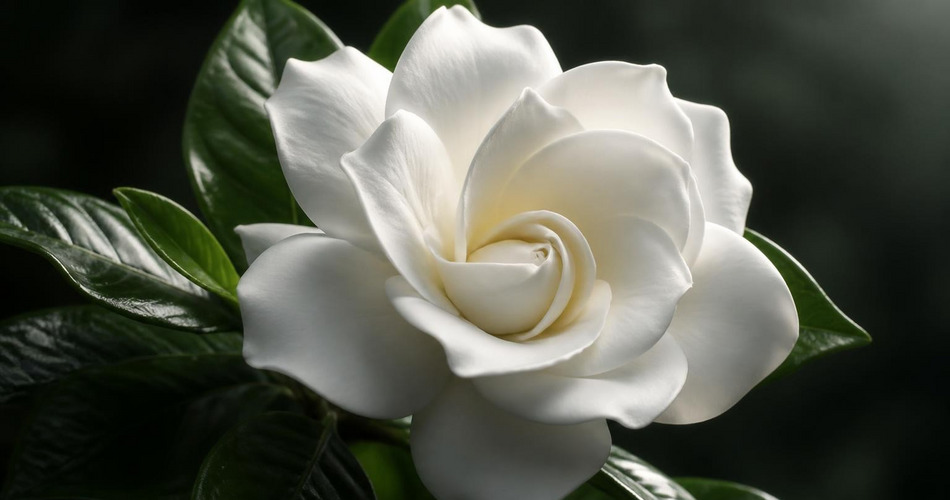
Gardenia is a fragrant white flower that has long been associated with purity, love, and secret admiration. Its delicate appearance and intoxicating scent make it a popular symbol in floral arrangements and cultural traditions. Often given as a token of affection, gardenia represents clarity, grace, and the beauty of a hidden emotion.
What Does Gardenia Symbolize?
Gardenia is primarily a symbol of purity and innocence, largely due to its pristine white petals. It also conveys secret or unrevealed love, making it a classic choice for expressing admiration that cannot be openly declared. In the language of flowers, gardenia stands for refinement, grace, and joy, and it is often used to wish someone good luck or to celebrate a new beginning.
Beyond romantic contexts, gardenia can symbolize spiritual clarity and inner peace. Its strong, sweet fragrance is thought to uplift the spirit and create a sense of calm, which is why it appears in meditation practices and aromatherapy. The flower’s ability to bloom in challenging conditions also ties it to endurance and quiet strength.
Positive and Negative Meanings
Positive associations: Gardenia is overwhelmingly seen as a positive emblem. It represents pure love, devotion, and the joy of giving. In many cultures, giving a gardenia is a gesture of respect, admiration, and good wishes. Its white color links it to cleanliness, new beginnings, and spiritual awakening.
Negative meanings: In some traditions, white flowers are associated with funerals and mourning, so gardenia can carry somber connotations. In parts of Asia, white blossoms are used in funeral rites, and gardenia may be seen as a symbol of farewell or remembrance. Additionally, because gardenia often symbolizes a secret love, it can sometimes imply hidden intentions or unspoken emotions that may lead to melancholy.
History and Origins of Gardenia Symbolism
Gardenia is native to tropical and subtropical regions of Africa, Asia, and the Pacific Islands. The flower was named after Dr. Alexander Garden, an 18th‑century Scottish botanist. It was introduced to Europe in the 1700s and quickly became a favorite in aristocratic gardens and greenhouses.
During the Victorian era, gardenia was a key flower in the “language of flowers” (floriography), where it signified secret love and refinement. In the southern United States, gardenia (often called “cape jasmine”) became a symbol of hospitality and charm, frequently planted near homes and used in welcoming arrangements. In China, gardenia has been cultivated for centuries for both its beauty and its medicinal properties, symbolizing grace and wisdom.
Gardenia Symbolism in Different Cultures
In Chinese culture, gardenia is associated with elegance and artistic inspiration. It is also used in traditional medicine to treat various ailments, linking the flower to healing and protection. The white petals are seen as a representation of purity and the ability to see clearly.
In Hawaii, gardenia (known as “kiele”) is used in leis to convey love, respect, and friendship. It is often given to visitors as a symbol of welcome. In Victorian England, gardenia was the flower of secret admirers, and a single bloom tucked in a buttonhole could signal a hidden affection.
In the Southern United States, gardenia is deeply tied to notions of grace, charm, and hospitality. It is a common feature in wedding bouquets and garden parties, representing the sweetness of life and the warmth of home.
Spiritual Meaning of Gardenia
In spiritual contexts, gardenia is a symbol of purity and divine love. Its white color is often linked to the crown chakra, representing spiritual enlightenment and connection to higher consciousness. The flower’s fragrance is used in meditation to clear the mind and invite peaceful energy.
Gardenia is also associated with the heart chakra, as it embodies unconditional love and compassion. Some spiritual traditions use gardenia petals in rituals for protection, purification, and attracting positive energy. The flower’s ability to bloom in the evening is seen as a reminder to trust the process of growth and transformation.
Gardenia in Dreams
Dreaming of gardenia often points to themes of love, purity, and hidden emotions. A gardenia in full bloom may represent a blossoming romance or a deep, unspoken affection. The dream might also be a sign of personal growth or a desire for clarity and peace.
Because gardenia is strongly tied to scent, dreams involving its fragrance can indicate a need to trust one’s intuition or to pay attention to subtle messages. The flower’s white color in dreams is generally positive, symbolizing innocence and new beginnings.
Common Dream Scenarios
- Receiving a gardenia: This often symbolizes a secret admirer or an unexpressed declaration of love. It may also represent a gift of purity or good wishes.
- Smelling gardenia: The scent in a dream can signify a strong intuitive feeling or a memory tied to a loved one. It may encourage you to follow your heart.
- A wilting gardenia: This might indicate the end of a relationship or the loss of innocence. It can also represent a secret that is causing pain.
- Planting gardenia: This suggests nurturing a relationship or a personal quality, such as patience or love, that will bloom over time.
Gardenia in Superstitions and Omens
In many traditions, gardenia is considered a lucky flower for love and marriage. It is often included in wedding bouquets to ensure a happy and pure union. Some believe that keeping gardenia in the home attracts positive energy and protects against negativity.
In the American South, it is said that planting gardenia near the entrance brings good fortune and hospitality. Conversely, because white flowers are sometimes associated with death, gardenia can be seen as an omen of farewell if given in a context of illness or parting.
Gardenia in Art and Literature
Gardenia appears in various works of art and literature, often as a symbol of elegance and hidden emotion. In the novel The Gardenia by the Chinese author Eileen Chang, the flower represents the fragility and beauty of love. The American poet Robert Pinsky references gardenia in his poem “The Gardenia” to evoke memory and longing.
In visual art, gardenia is a frequent subject in still‑life paintings, especially from the 19th century, where it symbolizes purity and the transient nature of beauty. The flower also appears in contemporary photography and fashion editorials as a motif of grace and sophistication.
Gardenia Tattoo Meaning
Gardenia tattoos are chosen for their association with purity, love, and remembrance. A single gardenia bloom is often inked to represent a cherished relationship or a loved one who has passed away. The flower’s white color is sometimes rendered in black and grey to emphasize its delicate form.
These tattoos are popular among women and can be placed on the shoulder, wrist, or ankle. They may also incorporate other elements such as leaves, vines, or names to personalize the meaning. Gardenia tattoos can symbolize a new beginning, a secret kept close to the heart, or a commitment to living with grace.
Meanings of Different Types and Colors of Gardenia
While most gardenias are white, there are also cream and yellow varieties. White gardenias universally symbolize purity, innocence, and secret love. Yellow gardenias, though less common, can represent friendship, joy, and the warmth of the sun.
The double‑flowered varieties, with many layers of petals, are often seen as symbols of abundance and complexity of emotion. Single‑petaled gardenias suggest simplicity and honesty. In some traditions, the number of petals is thought to carry meaning, with eight petals (a common number) representing infinity and eternal love.
Frequently Asked Questions
Q: What does a gardenia symbolize?
A: Gardenia primarily symbolizes purity, secret love, and refinement. It is also associated with joy, grace, and spiritual clarity.
Q: Is gardenia a symbol of love?
A: Yes, gardenia is a classic symbol of love, especially secret or unspoken love. It is often given to express admiration that cannot be openly declared.
Q: What does a gardenia tattoo mean?
A: A gardenia tattoo commonly represents purity, love, remembrance, or a new beginning. It can also signify a hidden emotion or a tribute to a loved one.
Q: Are there negative meanings associated with gardenia?
A: In some cultures, white flowers like gardenia are linked to funerals and mourning, so they can carry connotations of farewell or remembrance. However, the overall symbolism is positive.
Related Symbols
- Jasmine – similar fragrance and association with love and purity
- Lily – symbol of purity and innocence
- Rose – love and passion, often contrasted with gardenia’s secret love
- White Orchid – elegance and refinement
- Magnolia – dignity and perseverance, often found in Southern gardens alongside gardenia