
Briefly
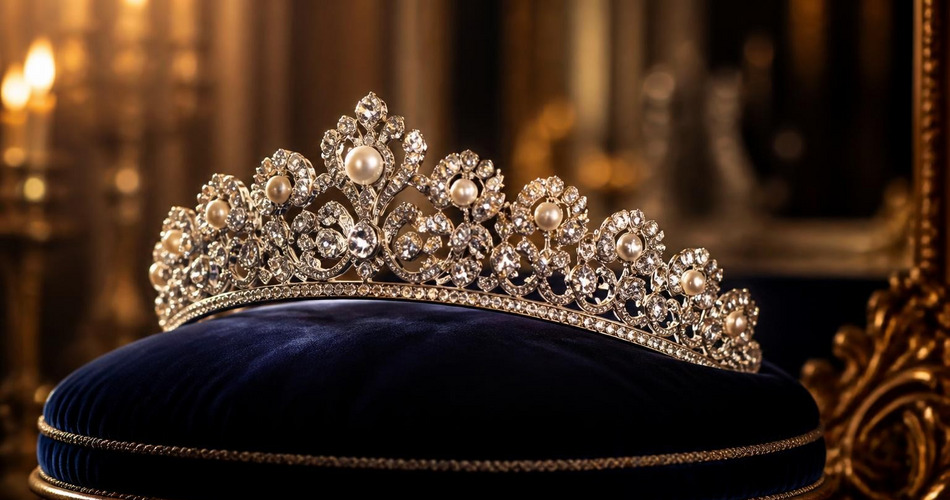
A tiara is a jeweled headpiece traditionally worn by royalty and nobility, but its symbolism extends far beyond aristocratic circles. It represents achievement, celebration, and the crowning of personal milestones—from weddings to pageants. The tiara also embodies feminine grace, authority, and the aspiration to rise above the ordinary. While often associated with positive meanings like honor and elegance, it can also carry connotations of vanity or unattainable status.
What Does a Tiara Symbolize?
A tiara is primarily a symbol of royalty and high social standing. Historically worn by queens and empresses, it signifies power, legitimacy, and the divine right to rule. In modern contexts, the tiara has taken on additional layers of meaning. It is a central emblem in wedding ceremonies, where the bride wears a tiara as a symbol of purity, beauty, and the transition into a new role as a married woman. In beauty pageants, the tiara represents victory, excellence, and the crowning of an ideal. Beyond these, the tiara can symbolize personal achievement—a “crown” earned through hard work, talent, or perseverance. It also conveys elegance, femininity, and a sense of occasion, often marking a moment of celebration or transformation.
Positive and Negative Meanings
Positive associations: The tiara is overwhelmingly seen as a positive symbol. It embodies honor, success, and the fulfillment of dreams. For a bride, it signifies love, commitment, and a bright future. In pageants, it represents the pinnacle of accomplishment and the recognition of one’s qualities. The tiara also conveys grace, sophistication, and the celebration of life’s most joyful moments.
Negative meanings: On the flip side, the tiara can be viewed as a symbol of elitism, exclusivity, or unattainable standards. It may represent superficiality or vanity when worn purely for show. In some contexts, the tiara can evoke feelings of inadequacy or the pressure to conform to idealized beauty. Its association with royalty can also imply a disconnect from ordinary life, reinforcing class divisions.
History and Origins of Tiara Symbolism
The tiara’s roots lie in ancient Persia and Greece, where rulers wore diadems—cloth or metal headbands—to signify authority. The word “tiara” itself comes from the Latin tiara, referring to a type of Persian headdress. Over centuries, the tiara evolved into a jeweled crown worn by European royalty, especially during the 19th and early 20th centuries. Queen Victoria popularized the bridal tiara when she wore one for her wedding in 1840, sparking a tradition that continues today. The tiara also became a staple of aristocratic fashion, often passed down as heirlooms. In the 20th century, the tiara entered popular culture through beauty pageants, most notably Miss America, where the winner is crowned with a tiara. This shifted the symbol from inherited status to earned achievement, making it accessible to anyone who wins a competition.
Tiara Symbolism in Different Cultures
In Western cultures, the tiara is closely tied to royalty and weddings. British royal women, for example, wear tiaras at formal state occasions and weddings, reinforcing the link between the tiara and national identity. In the United States, the tiara is most famously associated with beauty pageants, where it symbolizes the American dream of rising to the top through talent and poise. In many Asian cultures, similar headpieces are worn by brides, often in red or gold, to symbolize good fortune and prosperity. In India, the maang tikka is a forehead ornament worn by brides, sharing the tiara’s symbolism of marital status and beauty. Across cultures, the tiara consistently represents a woman’s special day or moment of honor, though the specific design and cultural context vary.
Spiritual Meaning of a Tiara
Spiritually, the tiara can be seen as a symbol of the crown chakra, the energy center associated with enlightenment and connection to the divine. Wearing a tiara may represent the attainment of spiritual wisdom or the recognition of one’s inner royalty. In a broader sense, the tiara embodies the idea that every person has a “crown” within—a unique value and potential that deserves to be honored. This interpretation aligns with modern self-help and empowerment movements, where the tiara is used as a metaphor for self-worth and personal sovereignty.
Tiara in Myths and Folklore
Tiaras appear frequently in fairy tales and folklore as symbols of royal identity and magical transformation. In stories like “Cinderella,” the prince places a slipper on the maiden, but the tiara often appears in illustrations as the final touch that completes the princess’s transformation. In many folk tales, a tiara or crown is used to identify the true heir or to bestow a blessing. While specific myths vary, the tiara consistently represents the recognition of innate nobility and the fulfillment of destiny.
Tiara in Dreams
Dreaming of a tiara often reflects aspirations for recognition, success, or a desire to feel special. It may indicate that the dreamer is seeking validation or preparing for a significant life event. A tiara in a dream can also symbolize inner royalty—the acknowledgment of one’s own worth and potential. Conversely, a broken or lost tiara might suggest feelings of inadequacy or fear of not meeting expectations. As with all dream symbols, context matters: the dreamer’s emotions and the condition of the tiara provide deeper clues.
Common Dream Scenarios
- Wearing a tiara: Often signifies a sense of achievement, confidence, or a upcoming celebration. It may also indicate a desire to be seen as special or important.
- Losing a tiara: Can represent fear of failure, loss of status, or anxiety about not living up to expectations.
- Receiving a tiara as a gift: Suggests recognition from others, a promotion, or a new responsibility that brings honor.
- Seeing someone else wear a tiara: May reflect admiration for that person’s accomplishments or feelings of jealousy or inadequacy.
Tiara in Art and Literature
One of the most recognizable appearances of a tiara in modern popular culture is in the 2001 film The Princess Diaries. In the movie, the protagonist Mia Thermopolis is given a tiara by her grandmother, the queen of Genovia. The tiara becomes a powerful symbol of Mia’s acceptance of her royal heritage and her transformation from an awkward teenager into a confident young woman. The scene where she finally wears the tiara marks her emotional and psychological crowning. In literature, tiaras often appear in romance novels and royal-themed stories as shorthand for nobility and romantic fulfillment. While not as common in fine art, tiaras are featured in portraits of European queens, such as those of Empress Eugénie of France, where the jeweled headpiece reinforces the subject’s authority and elegance.
Tiara Tattoo Meaning
A tiara tattoo is a popular choice for those who wish to symbolize self-worth, personal victory, or a “crown” they have earned. It can represent overcoming challenges, achieving a goal, or embracing one’s inner royalty. Tiara tattoos are often placed on the wrist, ankle, or behind the ear, and may be designed with gemstones or floral elements to add personal meaning. For some, the tattoo serves as a reminder of a special day, such as a wedding or graduation, while for others it is a permanent declaration of self-love and empowerment.
Meanings of Different Types of Tiaras
- Bridal tiara: Symbolizes purity, new beginnings, and the bride’s special status on her wedding day. Often made of silver or white gold with pearls or crystals.
- Pageant tiara: Represents victory, excellence, and the achievement of a title. Typically larger and more ornate, with bright gemstones.
- Royal tiara: Denotes hereditary status, power, and tradition. Often passed down through generations and worn at state occasions.
- Gold tiara: Associated with wealth, success, and timeless elegance. Gold tiaras are often heirloom pieces.
- Silver or crystal tiara: Evokes a fairy-tale aesthetic, often linked to dreams, magic, and youthful innocence.
Frequently Asked Questions
Q: What does a tiara symbolize in a wedding?
A: In weddings, the tiara symbolizes the bride’s beauty, purity, and her transition into a new role as a married woman. It also represents the celebration of love and the beginning of a new chapter.
Q: Is a tiara the same as a crown?
A: No, a tiara is typically a semicircular headpiece worn by women, while a crown is a full circle and often associated with sovereign rule. Both symbolize royalty, but tiaras are more ornamental and less formal.
Q: Can anyone wear a tiara?
A: Yes, in modern times, tiaras are worn by brides, pageant winners, and anyone celebrating a personal milestone. They are no longer reserved exclusively for royalty, though some traditional etiquette still applies in formal settings.
Q: What does a tiara tattoo mean?
A: A tiara tattoo often symbolizes self-worth, personal achievement, or the idea of being “queen of your own life.” It can also commemorate a special event like a wedding or graduation.
Related Symbols
- Crown – A full-circle headpiece symbolizing sovereignty and ultimate authority.
- Diadem – An ancient headband or half-crown, often synonymous with tiara in historical contexts.
- Coronet – A small crown worn by lesser nobility, similar in meaning to a tiara but more formal.
- Headband – A simpler head accessory that can symbolize practicality or casual elegance.
- Scepter – A ceremonial staff symbolizing royal power, often paired with a tiara or crown.


