Briefly
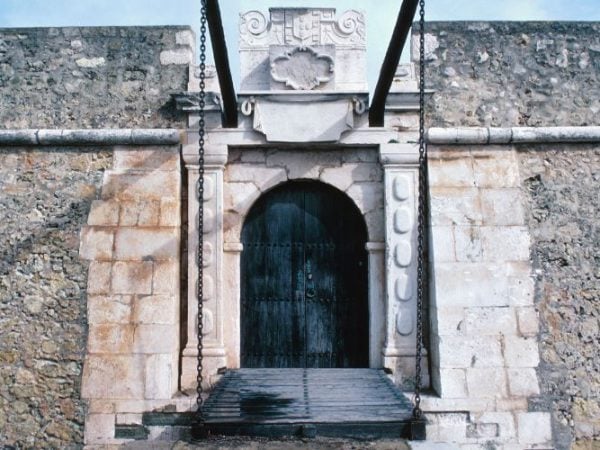
A gateway is a powerful symbol of transition, marking the boundary between two distinct states, places, or phases of life. It represents an entrance to new opportunities, knowledge, or experiences, while also serving as a point of departure from the familiar. As a threshold, the gateway embodies both the promise of what lies ahead and the uncertainty of leaving the known behind. Its symbolism is deeply tied to concepts of passage, choice, and transformation.
What Does a Gateway Symbolize?
At its core, a gateway symbolizes a point of transition or passage. It is a liminal space that separates one realm from another, whether physical, psychological, or spiritual. This makes it a potent emblem of change, new beginnings, and the crossing of boundaries. The gateway often represents a choice or a decisive moment, where one must decide whether to step through or remain.
Beyond transition, gateways also symbolize access and opportunity. They can stand for the opening of new paths, the gaining of entrance to a desired state or place, and the potential for growth. In a more protective sense, a gateway can also symbolize a controlled entry point, representing security, guardianship, and the selective nature of what is allowed to pass through.
Positive and Negative Meanings
Positive associations: Gateways are predominantly positive symbols of opportunity, hope, and new beginnings. They represent the threshold to a better future, a new chapter in life, or the attainment of a long-sought goal. The act of passing through a gateway is often associated with achievement, progress, and personal transformation.
Negative meanings: Conversely, a gateway can also symbolize uncertainty, danger, and the unknown. It can represent a point of no return, where crossing leads to irreversible change or potential peril. In some contexts, a gateway may be a symbol of temptation or a deceptive entrance to a trap, embodying the risk inherent in any significant transition.
History and Origins of the Gateway Symbolism
The symbolic power of gateways is ancient and universal. In many early civilizations, city gates were not merely functional structures but were imbued with ritual and symbolic importance. They marked the boundary between the ordered, civilized world within the city walls and the chaotic, untamed wilderness outside. This duality made the gateway a potent symbol of civilization itself, representing law, community, and safety against external threats.
In architectural history, triumphal arches in ancient Rome were a specific type of gateway built to celebrate military victories and the return of emperors. These structures were not meant for everyday passage but served as monumental symbols of power, glory, and the successful crossing from war to peace. The tradition of the ceremonial gateway continued through medieval city gates and into modern memorial arches, each reinforcing the idea of the gateway as a marker of significant achievement or transition.
Gateway Symbolism in Different Cultures
In Japanese culture, the torii gate is a ubiquitous symbol found at the entrance to Shinto shrines. It marks the transition from the mundane, everyday world to the sacred, spiritual realm of the kami (spirits). Passing under a torii is an act of purification and preparation, signifying a respectful entry into a hallowed space. The torii itself, often painted vermilion, is a simple yet profound representation of the boundary between the human and the divine.
In many European traditions, the concept of the “gateway” appears in folklore as a portal to the Otherworld, such as the fairy mounds of Celtic mythology. These were often natural features like hills or stone circles that were believed to open at specific times, like Samhain, allowing passage between the world of the living and the realm of the spirits. This reinforces the gateway as a liminal space where the ordinary rules of time and reality may not apply.
In ancient Egypt, temple pylons—the massive, trapezoidal gateways at the entrance to temples—were decorated with scenes of the pharaoh smiting enemies and making offerings. These gateways symbolized the horizon, the place where the sun was reborn each day, and represented the transition from the chaos of the outside world to the order and perfection of the temple, which was considered the home of the gods.
Spiritual Meaning of a Gateway
Spiritually, a gateway is a powerful symbol of a threshold between the material and the spiritual realms. It represents the point at which one can access higher consciousness, divine wisdom, or a deeper understanding of the self. Many spiritual traditions describe the process of enlightenment or spiritual awakening as passing through a series of gateways, each representing a new level of awareness or a challenge to be overcome.
In meditation and visualization practices, the image of a gateway is often used as a focal point for journeying inward. The practitioner may imagine walking through a door or archway to enter a sacred inner space, symbolizing the transition from the external, busy mind to the quiet, receptive state of the soul. This makes the gateway a tool for personal transformation and a symbol of the soul’s journey toward its ultimate destination.
Gateway in Myths and Folklore
In Greek mythology, the gateway to the Underworld was guarded by Cerberus, the three-headed dog, who allowed souls to enter but prevented them from leaving. This gateway was not a simple door but a cave or a chasm, representing the finality and inescapability of death. The myth underscores the gateway as a point of no return, a boundary between the world of the living and the realm of the dead.
In Norse mythology, the Bifröst Bridge served as a gateway between Midgard, the world of humans, and Asgard, the realm of the gods. This rainbow bridge was a symbol of connection and communication between the two realms, but it was also a fragile and dangerous passage, destined to break at Ragnarök. The Bifröst illustrates the gateway as a link between different planes of existence, one that requires respect and carries inherent risk.
Gateway in Dreams
Dreaming of a gateway often reflects a significant transition or decision point in the dreamer’s waking life. It can indicate that the dreamer is on the verge of a new phase, such as starting a new job, moving to a new place, or entering a new relationship. The condition of the gateway in the dream—whether it is open, closed, grand, or decaying—can offer clues about the dreamer’s feelings toward this upcoming change.
Common Dream Scenarios
- An open gateway: This is generally a positive symbol, suggesting that opportunities are available and the path forward is clear. It may indicate readiness to embrace change.
- A closed or locked gateway: This can represent obstacles, missed opportunities, or a feeling of being blocked from moving forward. It may suggest that the dreamer needs to find a new approach or overcome an internal resistance.
- A grand or ornate gateway: This often symbolizes a significant life event or a major achievement. It may represent a prestigious opportunity or a rite of passage that the dreamer is about to undertake.
- A ruined or broken gateway: This can indicate a sense of loss, the end of a phase, or a feeling that a previously important path is no longer viable. It may also symbolize liberation from old constraints.
Gateway in Superstitions and Omens
In various folk traditions, gateways are considered powerful places where the boundary between worlds is thin. For example, in some European folklore, it was considered unlucky to whistle while passing through a gateway at night, as it might attract unwanted spirits. Similarly, stepping over a threshold with the left foot was sometimes thought to bring bad luck, a superstition that extends to doorways and gates alike.
In other traditions, a new gateway or door is seen as a positive omen, symbolizing the opening of new possibilities. The act of carrying a bride over the threshold of her new home is a well-known wedding tradition that stems from the belief that a threshold is a vulnerable place where evil spirits might lurk, and the groom protects the bride by carrying her across it. This custom highlights the gateway as a point of both opportunity and vulnerability.
Gateway in Art and Literature
In literature, gateways are frequently used as powerful metaphors for transition. In C.S. Lewis’s The Lion, the Witch and the Wardrobe, the wardrobe itself serves as a gateway between the mundane world of wartime England and the magical land of Narnia. This gateway is a central plot device, representing the possibility of escape, adventure, and a different reality just beyond the everyday.
In film, the concept of the gateway is visually rendered in movies like Stargate (1994), where an ancient alien device creates a wormhole, a literal gateway to other planets across the universe. The stargate symbolizes the ultimate threshold—the ability to cross vast distances of space and time, opening up infinite possibilities for exploration and connection. In visual art, the monolith in Stanley Kubrick’s 2001: A Space Odyssey functions as a mysterious gateway, triggering evolutionary leaps in humanity, representing a threshold of consciousness that is both awe-inspiring and incomprehensible.
Gateway Tattoo Meaning
A gateway tattoo often symbolizes a personal transformation or a significant life transition that the wearer has experienced or is anticipating. It can represent a new beginning, a fresh start, or a commitment to personal growth. The design of the tattoo—whether it is a simple arch, a grand door, or a specific cultural symbol like a torii gate—can add layers of personal meaning.
For some, a gateway tattoo may also symbolize the threshold between the conscious and subconscious mind, or between the physical and spiritual worlds. It can serve as a reminder of the choices one has made and the paths one has taken, as well as a symbol of the endless potential that lies ahead. The gateway is a powerful emblem of the journey itself, marking the point where one chapter ends and another begins.
Frequently Asked Questions
Q: What does it mean to see a gateway in a dream?
A: Seeing a gateway in a dream typically signifies a transition or a major decision point in your life. It suggests you are approaching a new phase or opportunity and must decide whether to move forward.
Q: Is a gateway a positive or negative symbol?
A: A gateway is generally a positive symbol of opportunity and new beginnings, but it can also represent uncertainty and the risk associated with change. Its meaning depends heavily on the context in which it appears.
Q: What is the spiritual meaning of a gateway?
A: Spiritually, a gateway symbolizes a threshold between the material and spiritual realms, representing a point of access to higher consciousness, divine wisdom, or deeper self-understanding.
Related Symbols
- Door: A more intimate symbol of transition, often representing personal choices and private passages.
- Bridge: A symbol of connection and passage over obstacles, linking two separate points or states.
- Arch: A structural symbol of passage and triumph, often associated with ceremonial or monumental entrances.
- Threshold: The specific point of crossing, emphasizing the liminal moment between inside and outside, past and future.
- Portal: A magical or supernatural gateway, often leading to other worlds or dimensions.