Briefly
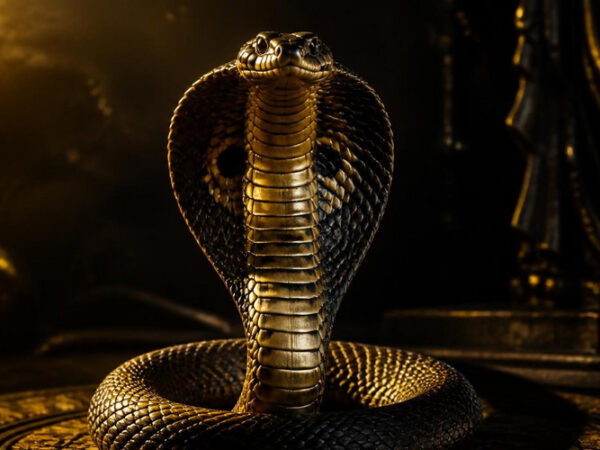
The king cobra is one of the most potent and complex symbols in the natural world, representing both immense power and profound mystery. As the world’s longest venomous snake, it commands respect and fear, embodying themes of authority, danger, and transformation. Its presence in mythology and folklore across South and Southeast Asia underscores its significance as a creature of great spiritual and cultural weight, often associated with royalty, divinity, and the cycle of life and death.
What Does the King Cobra Symbolize?
The king cobra primarily symbolizes power, authority, and primal strength. Its imposing size, deadly venom, and distinctive hood make it an unmistakable emblem of raw, untamed force. In many cultures, the snake is also a symbol of transformation and renewal due to its ability to shed its skin, a process that represents rebirth and the cyclical nature of existence. The king cobra’s solitary and predatory nature further associates it with independence, cunning, and a deep connection to the hidden or subconscious realms.
Beyond these universal snake associations, the king cobra carries specific meanings tied to its unique characteristics. Its name, Ophiophagus hannah, means “snake-eater,” highlighting its role as a predator of other snakes, which can symbolize the mastery over one’s own inner demons or the triumph of a higher power over lesser forces. The cobra’s hood, which it expands when threatened, is a visual symbol of protection, vigilance, and the readiness to defend oneself or one’s territory.
Positive and Negative Meanings
Positive associations: The king cobra is often seen as a guardian and a symbol of royalty, wisdom, and spiritual enlightenment. In Hindu mythology, the cobra is associated with Lord Shiva, who wears a cobra around his neck, representing his mastery over fear and death. The snake’s ability to shed its skin makes it a powerful emblem of transformation, healing, and personal growth. Its keen senses and alert posture also symbolize heightened awareness, intuition, and the ability to perceive hidden truths.
Negative meanings: On the other hand, the king cobra is also a symbol of danger, deception, and hidden threats. Its venomous bite and aggressive defense of its territory make it a natural representation of mortal peril and treachery. In some contexts, the snake can embody fear, temptation, and the darker aspects of the human psyche, such as jealousy, betrayal, or the destructive potential of unchecked power. Its association with death and the underworld in various mythologies further reinforces these negative connotations.
History and Origins of the Symbolism
The king cobra’s symbolic significance is deeply rooted in the ancient cultures of South and Southeast Asia, where the snake has been revered and feared for millennia. In India, the cobra is central to the worship of Naga deities—serpent beings that are both protectors and bringers of fertility. The king cobra, as the largest and most formidable of the cobras, holds an especially eminent position in this tradition. Historical texts and temple carvings from the Hindu, Buddhist, and Jain traditions frequently depict cobras as guardians of treasures, knowledge, and sacred spaces.
In Myanmar (Burma), the king cobra is the subject of specific rituals, including a traditional dance performed by snake charmers that is believed to appease the snake’s spirit and bring good fortune. The snake’s role in these practices highlights its enduring cultural importance and the belief in its supernatural powers. The very name “king cobra” reflects its regal status, distinguishing it from other cobras and emphasizing its dominance in the snake world.
King Cobra Symbolism in Different Cultures
In Indian culture, the king cobra is inextricably linked to Hindu mythology and religious practice. It is associated with the god Shiva, who is often depicted with a cobra coiled around his neck, symbolizing his control over the cycle of life, death, and rebirth. The cobra is also a common motif in temple architecture, where it serves as a protective emblem. The annual festival of Nag Panchami involves the worship of cobras, including the king cobra, to seek blessings for health, wealth, and protection from snakebites.
In Buddhist tradition, the king cobra appears in stories of the Buddha’s enlightenment. According to legend, the Buddha was sheltered from a storm by the multi-headed serpent king Mucalinda, who is often depicted as a cobra. This narrative reinforces the cobra’s role as a protector of spiritual truth and a symbol of the harmony between human and animal realms.
In Southeast Asian cultures, particularly in Thailand, Cambodia, and Laos, the king cobra is associated with the Naga—a mythical serpent that is both a creator and destroyer. Nagas are believed to inhabit rivers and lakes, and they are often depicted as cobras with multiple heads. The king cobra’s physical resemblance to these mythical beings has cemented its status as a living embodiment of these ancient legends.
Spiritual Meaning of the King Cobra
Spiritually, the king cobra is a symbol of transformation and the awakening of inner power. Its shedding of skin is a powerful metaphor for letting go of the past and embracing personal growth. The cobra’s ability to rise up and expand its hood is seen as a sign of spiritual elevation and the activation of the kundalini energy—a coiled serpent energy believed to reside at the base of the spine in Hindu and yogic traditions. When this energy is awakened, it is said to lead to enlightenment and higher consciousness.
The king cobra also represents the balance between life and death. As a venomous predator, it is a reminder of mortality and the fragility of life, while its role as a protector in many myths underscores the idea that death is not an end but a transition. Meditating on the king cobra can encourage facing one’s fears and embracing the unknown with courage and grace.
King Cobra in Myths and Folklore
The king cobra holds an eminent position in the mythology and folklore of India, Bangladesh, Sri Lanka, and Myanmar. In Hindu mythology, the cobra is closely tied to the god Shiva, who wears a cobra as an ornament, signifying his mastery over fear and death. The snake is also a central figure in the story of the churning of the ocean of milk, where the serpent Vasuki is used as a rope to churn the cosmic ocean, producing the elixir of immortality. This tale highlights the cobra’s role as a tool of creation and a source of divine power.
In Myanmar, a ritual known as the king cobra dance is performed by traditional snake charmers. This dance is not merely entertainment but a spiritual practice intended to honor the snake and seek its protection. The charmers handle live king cobras, demonstrating their skill and the snake’s perceived willingness to cooperate with humans. This practice underscores the deep respect and fear that the king cobra commands in local culture.
Folklore from various regions also tells of king cobras guarding hidden treasures or sacred sites. In some stories, the snake is a wise and just creature that punishes those who harm it or disrespect nature, while rewarding those who show it reverence. These tales reinforce the king cobra’s symbolic role as a guardian of moral order and natural balance.
King Cobra in Dreams
Dreaming of a king cobra is often a powerful and unsettling experience. In dream interpretation, the snake generally represents hidden fears, repressed emotions, or transformative energy. A king cobra in a dream may indicate that the dreamer is facing a significant challenge or a period of profound change. The snake’s size and venomous nature suggest that the situation is serious and requires careful handling.
Dreams of a king cobra can also symbolize the presence of a powerful, perhaps threatening, figure in the dreamer’s life, or it may represent the dreamer’s own untapped potential and inner strength. The context of the dream—whether the snake is attacking, coiling, or simply observing—provides further clues to its meaning. Such dreams often call for introspection and a confrontation with one’s deepest fears.
Common Dream Scenarios
- Being chased by a king cobra: This scenario often reflects feelings of being pursued by a problem or fear that the dreamer is trying to avoid. It may indicate a need to face the issue directly.
- Killing a king cobra: Dreaming of killing a king cobra can symbolize overcoming a major obstacle or defeating a powerful enemy. It may also represent the dreamer’s triumph over their own inner demons.
- A king cobra shedding its skin: This dream is a positive sign of transformation, renewal, and personal growth. It suggests that the dreamer is ready to let go of old habits or beliefs and embrace a new phase of life.
- A king cobra in a defensive posture (hood expanded): This may indicate that the dreamer feels threatened or is in a state of heightened alertness. It can also represent the dreamer’s own defensive stance in a waking-life situation.
King Cobra in Superstitions and Omens
In many cultures, encountering a king cobra is considered a powerful omen. In parts of India and Southeast Asia, seeing a king cobra is believed to bring either great fortune or great misfortune, depending on the circumstances. Some superstitions hold that a king cobra entering a home is a sign of impending wealth or a blessing from the gods, while others view it as a warning of danger or death.
Specific rituals, such as the Narayan Nagbali Poojan in Hindu tradition, are performed to absolve the sin of killing a king cobra. This practice underscores the belief that the king cobra is a sacred creature whose death carries spiritual consequences. Similarly, in some regions, it is considered bad luck to harm or kill a king cobra, as it is thought to bring curses or misfortune upon the perpetrator.
King Cobra in Art and Literature
The king cobra appears in various forms of art and literature, particularly in South and Southeast Asian traditions. In Hindu temple architecture, cobra motifs are common, often carved as guardians at entrances or depicted in scenes from mythology. The king cobra’s image is also used in traditional paintings and sculptures, where it symbolizes divine protection and royal authority.
In literature, the king cobra features in Rudyard Kipling’s “The Jungle Book,” where the character Kaa is a python, but the broader snake symbolism in the work reflects the cultural significance of serpents in India. More directly, the king cobra is a central figure in many folktales and legends from the region, often portrayed as a wise and powerful being. In modern literature, the king cobra appears in works that explore themes of danger, survival, and the natural world, such as in adventure stories set in the jungles of Asia.
Frequently Asked Questions
Q: What does a king cobra symbolize in Hinduism?
A: In Hinduism, the king cobra is associated with Lord Shiva and represents mastery over fear, death, and the cycle of rebirth. It is also a symbol of divine protection and spiritual power.
Q: Is the king cobra considered a good or bad omen?
A: The king cobra can be both a good and bad omen depending on the context. In some cultures, it is a sign of wealth and blessings, while in others it warns of danger or death. Its appearance is generally regarded as a powerful and significant event.
Q: What does it mean to dream of a king cobra?
A: Dreaming of a king cobra often signifies a major life change, hidden fears, or untapped inner strength. The specific details of the dream, such as the snake’s behavior, provide further insight into its meaning.
Related Symbols
- Cobra — A more general symbol of protection, royalty, and spiritual energy.
- Naga — Mythical serpent beings in Hindu and Buddhist traditions, often depicted as cobras.
- Snake — A universal symbol of transformation, healing, and danger.
- Shiva — The Hindu god associated with the king cobra, representing destruction and rebirth.
- Kundalini — The coiled serpent energy in yogic tradition, symbolizing spiritual awakening.