Briefly
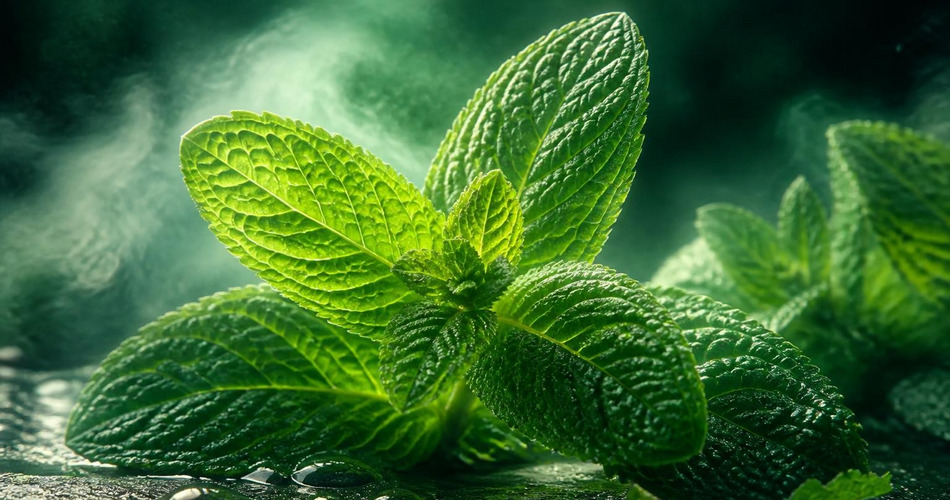
Mint is a fragrant herb that has been valued for centuries not only for its culinary uses but also for its deep symbolic meanings. It is most commonly associated with hospitality, healing, and mental clarity, often used to refresh the mind and purify spaces. Across cultures, mint represents renewal, vitality, and protection, making it a versatile symbol in traditions ranging from ancient Greece to modern holistic practices.
What Does Mint Symbolize?
Mint symbolizes hospitality, healing, freshness, and clarity. Its cool, invigorating aroma and taste have made it a natural emblem of cleanliness and renewal. In many traditions, mint is also linked to prosperity and protection, as it was historically used to repel negative energies and attract good fortune. The herb’s rapid growth and resilience further connect it to vitality and endurance.
Positive and Negative Meanings
Positive associations: Mint is overwhelmingly seen as a beneficent plant. It represents warm hospitality—ancient Greeks and Romans rubbed mint on tables to welcome guests. Its medicinal properties associate it with healing and soothing ailments, from digestive issues to headaches. Mint also symbolizes clarity of thought, freshness, and purification, often used in rituals to cleanse spaces and minds.
Negative meanings: While rare, mint’s aggressive spreading habit can be seen as invasive or overwhelming, symbolizing something that grows beyond control. In some contexts, its strong nature may represent an overpowering presence or a need to assert boundaries. However, these negative connotations are not widespread and are largely secondary to its positive symbolism.
History and Origins of Mint Symbolism
The symbolic significance of mint dates back to ancient civilizations. In Greek mythology, the herb is tied to the story of Minthe, a nymph who was transformed into the plant by Persephone, giving mint its name and a connection to the underworld and rebirth. The Romans used mint extensively in their baths and kitchens, believing it promoted intelligence and vitality. In traditional Chinese medicine and Ayurveda, mint has been used for thousands of years to stimulate energy and clear the mind, reinforcing its symbolic link to health and awakening.
Mint Symbolism in Different Cultures
In Greek and Roman culture, mint was a symbol of hospitality and wisdom. Hosts would present mint to guests as a gesture of welcome, and scholars wore mint garlands to sharpen their minds during debates.
In European folklore, mint was placed in homes to protect against evil and attract money. It was also hung in doorways to bring good luck and used in wedding rituals to ensure a happy union.
In Middle Eastern traditions, mint tea is a quintessential symbol of hospitality and friendship. Offering mint tea is a deeply ingrained social custom, representing generosity and warmth.
In Native American traditions, some tribes used mint in purification ceremonies and sweat lodges, valuing its cleansing properties for both body and spirit.
Spiritual Meaning of Mint
Spiritually, mint is associated with clarity, purification, and heightened awareness. Its refreshing scent is believed to clear mental fog and stimulate the mind, making it a common aid in meditation and prayer. Mint is also used in spiritual baths and smudging rituals to cleanse auras and spaces of stagnant or negative energy. Its connection to the element of water enhances its symbolism of emotional and spiritual renewal, while its cooling energy promotes calm and focus.
Mint in Myths and Folklore
The most famous myth involving mint is the Greek story of Minthe (or Menthe), a nymph who was pursued by Hades. Persephone, in jealousy, transformed Minthe into the plant that now bears her name. In some versions, Hades granted the plant a sweet fragrance to honor her, linking mint to love and memory. In European folklore, it was believed that carrying mint attracted money and that growing mint near the entrance of a home brought prosperity. Mint was also used in funeral rites in some cultures to mask the smell of death and symbolize the soul’s passage.
Frequently Asked Questions
Q: What does mint symbolize in dreams?
A: While specific dream interpretations vary, mint in dreams often represents renewal, healing, or the need for mental clarity. It may also symbolize a fresh start or an upcoming period of growth.
Q: Is mint considered a protective herb?
A: Yes, in many traditions mint is believed to ward off negative energy and evil spirits. It is often placed in doorways or used in protective sachets.
Q: Does the color or type of mint change its meaning?
A: Peppermint is often associated with energy and stimulation, while spearmint is gentler and linked to rest and digestion. However, the core symbolism of mint remains consistent across varieties.
Related Symbols
- Lavender – relaxation and purification
- Rosemary – remembrance and fidelity
- Basil – love and protection
- Sage – wisdom and cleansing
- Thyme – courage and strength