Briefly
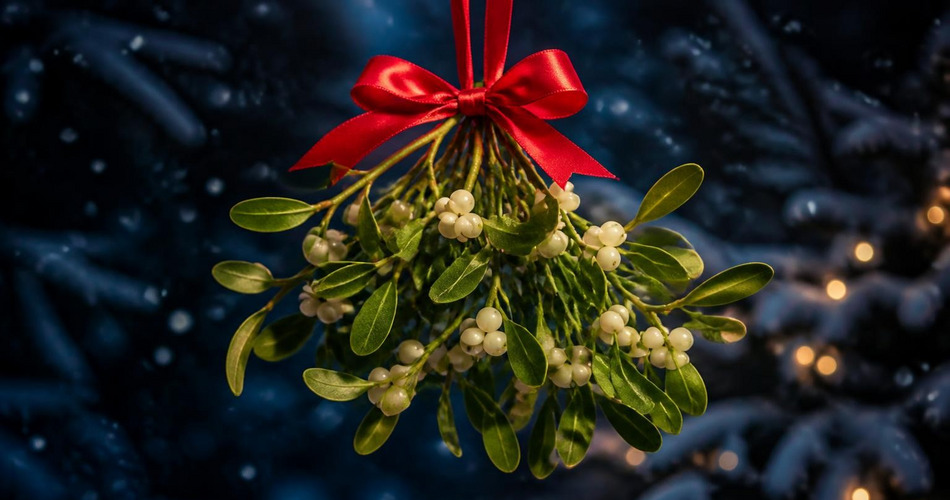
Mistletoe is a parasitic plant that has held powerful symbolic meaning for centuries, particularly as a symbol of love, fertility, protection, and renewal. It is best known for the Christmas tradition of kissing beneath it, but its symbolism runs deeper, with roots in ancient Norse mythology, Druidic rituals, and European folklore. Often seen as a bridge between the physical and spiritual worlds, mistletoe represents both the healing power of nature and the delicate balance between life and death.
What Does Mistletoe Symbolize?
Mistletoe carries a complex web of meanings that have evolved across cultures and eras. At its core, it symbolizes love, peace, and goodwill—the very reasons people exchange a kiss beneath it. In many traditions, it is also a potent emblem of fertility and vitality, because it stays green and bears fruit in winter when most other plants have died back. This evergreen quality ties mistletoe to ideas of endurance, immortality, and the promise of renewal.
The plant’s parasitic nature adds another layer of significance. It grows on host trees, taking nutrients while often not killing them. This has made mistletoe a symbol of both dependency and resilience, sometimes representing the idea that life can flourish even in challenging circumstances. In some contexts, it is seen as a bridge between worlds—its roots in the host tree and its branches reaching toward the sky linking earth and heaven.
Positive and Negative Meanings of Mistletoe
Positive associations: Mistletoe is primarily a positive symbol. It brings love and friendship, as seen in the Christmas kissing tradition, and is believed to attract good luck and prosperity. In many cultures, it is a protective charm hung in doorways to ward off evil spirits and misfortune. Its evergreen leaves symbolize endurance and life triumphing over winter, making it an emblem of hope and renewal. Mistletoe has also been historically used in herbal medicine for treating ailments, reinforcing its association with healing and vitality.
Negative meanings: Because mistletoe is a parasite, it has occasionally carried negative connotations. It can symbolize deception, hidden motives, or an unhealthy dependency—taking from a host without giving back. In some folklore, it is linked to death or misfortune, particularly if it falls to the ground, which is seen as an omen of bad luck. There is also a darker reading in Norse mythology, where mistletoe was the only thing that could kill the god Baldr, turning it into a symbol of vulnerability and treachery in certain retellings.
History and Origins of Mistletoe Symbolism
The symbolic history of mistletoe stretches back thousands of years. The ancient Greeks regarded it as a mystical plant with medicinal and purifying properties, while the Romans associated it with peace and used it during Saturnalia, a festival of goodwill and gift-giving. However, the most influential roots of mistletoe symbolism come from Celtic and Norse traditions.
In Celtic culture, Druids held mistletoe in the highest esteem, especially when it grew on an oak tree—a sacred tree in their religion. They believed it had miraculous powers: it could cure diseases, protect against sorcery, and bring fertility. The ritual of harvesting mistletoe was elaborate; it was cut with a golden sickle at a specific time, caught before touching the ground, and used in ceremonies. This practice imbued mistletoe with a mystique that persisted for centuries.
The Christmas association of mistletoe developed later, primarily in Victorian England. During the 19th century, the custom of kissing under mistletoe became widespread, and the plant became a staple of holiday decorations. This Victorian revival cemented mistletoe’s place in Western popular culture as a symbol of romance and festivity, although its older meanings of protection and healing never fully disappeared.
Mistletoe Symbolism in Different Cultures
Beyond the Celts and Romans, mistletoe appears in many cultural traditions. In Norse mythology, mistletoe plays a central role in the story of Baldr’s death, which is often interpreted as a cautionary tale about the fragility of life and the unintended consequences of harm. After Baldr’s death, his mother Frigg’s tears turned into the white berries of mistletoe, and she declared that the plant would henceforth bring peace and joy rather than sorrow—helping to explain why mistletoe later became a symbol of love and reconciliation.
In many European countries, mistletoe is associated with peace and friendship. It was customary to hang a sprig in the home as a sign of hospitality and goodwill. In some regions, enemies who met under a mistletoe would lay down their arms and declare a truce. This tradition echoes the plant’s ability to foster harmony and bridge differences.
In Christian symbolism, mistletoe has been adapted to represent divine love and the birth of Christ. While not a primary Christian symbol, it appears in some folk traditions as a representation of peace on earth and goodwill to all. The evergreen nature of mistletoe also aligns with the concept of eternal life, fitting into the broader Christian narrative of renewal and redemption.
Spiritual Meaning of Mistletoe
Spiritually, mistletoe is often regarded as a plant of balance and connection. Because it lives between earth and sky, it is seen as a mediator between the physical and spiritual realms. In various esoteric traditions, mistletoe is used in rituals to enhance meditation, promote clarity, and open channels of communication with higher consciousness. Its ability to thrive without rooting in the ground makes it a symbol of spiritual independence and resilience.
Mistletoe is also linked to fertility and life force. Its white berries, which appear in winter, are seen as a manifestation of pure potential and renewal. For those seeking to attract love or heal emotional wounds, mistletoe is sometimes used as a spiritual aid. It encourages open-heartedness, forgiveness, and the willingness to start anew—qualities that align with its role in bringing people together.
Mistletoe in Myths and Folklore
The most famous myth involving mistletoe is the Norse tale of Baldr the Beautiful. According to legend, Baldr’s mother Frigg asked all plants and animals to promise not to harm her son. Mistletoe, being small and unassuming, was overlooked. The mischievous god Loki crafted a dart from mistletoe and tricked Baldr’s blind brother Hodr into throwing it, killing Baldr. The gods were grief-stricken, and Frigg’s tears became the plant’s white berries. In some versions, she then declared that mistletoe would never again cause harm but rather become a symbol of love and hope. This story explains why mistletoe is often hung indoors—to honor the peace that followed the tragedy.
In Celtic folklore, mistletoe was a legendary remedy for almost every ailment. It was called “the healing substance of the forest” and was believed to cure infertility, protect against nightmares, and even ward off evil spells. The Druids’ reverence for mistletoe was so great that they performed elaborate ceremonies to ensure its potency. These folk beliefs carried over into rural Europe, where mistletoe was often placed over cribs of babies to keep them safe from fairy abductions and other supernatural threats.
Mistletoe in Superstitions and Omens
Superstitions around mistletoe have persisted for centuries, especially in Europe. A common belief is that kissing under the mistletoe brings luck and lasting love to the couple. However, the kiss must be followed by the removal of a berry; when all berries are gone, the plant’s power is exhausted, and no more kisses are allowed. Other traditions include:
- If a girl catches the mistletoe thrown away after the holiday, she will marry within the year.
- Burning mistletoe at Twelfth Night helps end quarrels and brings peace to the household.
- Hanging mistletoe in the home protects against thunder, lightning, and evil spirits.
- Letting mistletoe touch the ground is considered bad luck and invites misfortune.
These superstitions reflect mistletoe’s dual role as a protective charm and a symbol of relationships. They also show how the plant’s magical aura persisted well into the modern era, even as its practical uses faded.
Mistletoe Tattoo Meaning
For many, a mistletoe tattoo serves as a permanent reminder of love’s power and the hope of renewal. It often symbolizes romantic love, friendship, and the value of close bonds. Because of its association with Christmas, mistletoe tattoos can also represent family warmth and holiday cheer. Some choose mistletoe to signify resilience and the ability to thrive in unexpected places, drawing on its parasitic nature as a metaphor for personal strength.
Designs typically feature the plant’s broad green leaves and clusters of white berries, sometimes paired with a bow or a pair of lips. Placement on the wrist, ankle, or behind the ear allows for a subtle nod to the tradition of kissing. As with any tattoo, the meaning is personal, but mistletoe consistently conveys themes of connection, love, and the enduring spirit.
Frequently Asked Questions about Mistletoe
Q: Why do people kiss under mistletoe?
A: The tradition originated in Victorian England, where the plant was already associated with love and fertility from earlier folklore. Kissing under mistletoe became a popular holiday ritual, and it was believed that the kiss would lead to marriage or lasting romance.
Q: Is mistletoe poisonous?
A: Yes, many species of mistletoe are toxic to humans and pets if ingested. The berries contain substances that can cause stomach upset and, in large quantities, more severe symptoms. It is best to keep mistletoe out of reach of children and animals.
Q: What does mistletoe symbolize in Norse mythology?
A: In Norse myth, mistletoe is associated with the death of Baldr, but after the tragedy, it was repurposed as a symbol of peace, love, and reconciliation. Frigg, Baldr’s mother, decreed that mistletoe would never again bring harm and would be used to spread joy.
Q: Can mistletoe be used for healing?
A: Historically, mistletoe was used in herbal medicine for various conditions, and some contemporary treatments explore its potential in cancer therapy. However, it is important to consult a medical professional before using any mistletoe preparations, as the plant can be toxic.
Related Symbols
- Holly – another winter evergreen symbol of protection and fertility.
- Ivy – represents fidelity and eternal life, often paired with mistletoe in decorations.
- Christmas wreath – a circle of evergreen symbols of eternal life and welcome.
- Oak tree – the sacred host tree in Celtic tradition, associated with strength and wisdom.
- Kissing ball – a festive hanging ornament that incorporates mistletoe for romance.