Briefly
The pencil is a simple yet powerful tool that symbolizes human creativity, the flow of ideas, and the process of learning. Its ability to be erased represents impermanence, revision, and the freedom to make mistakes. As an object used in both art and education, the pencil carries meanings of potential, precision, and the transient nature of written expression. It stands as a symbol of the mind’s ability to draft, refine, and ultimately shape thoughts into tangible form.
What Does a Pencil Symbolize?
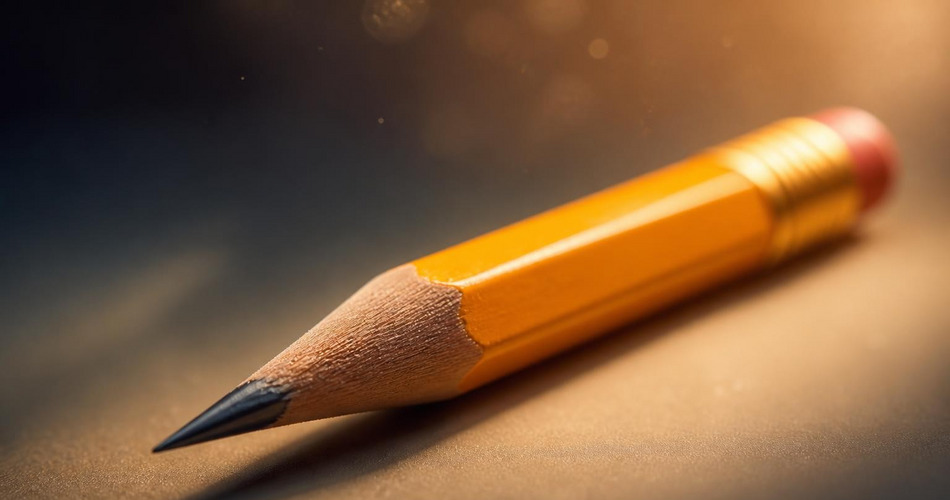
At its core, the pencil symbolizes creativity and the act of bringing ideas into existence. Whether used for writing, drawing, or sketching, it is a direct extension of human thought. The pencil’s graphite core leaves a mark that can be light or dark, thick or thin, reflecting the nuance and variety of human expression.
Beyond creativity, the pencil represents education and learning. It is one of the first tools children use to form letters and numbers, making it a universal symbol of knowledge acquisition and intellectual growth. In many cultures, the pencil is associated with schooling, literacy, and the discipline of study.
The pencil also embodies impermanence. Unlike ink, pencil marks can be erased and corrected, symbolizing the flexibility of thought and the willingness to change one’s mind. This quality makes the pencil a metaphor for revision, growth, and the understanding that mistakes are part of the learning process.
Positive and Negative Meanings
Positive associations: The pencil is widely seen as a positive symbol of potential and possibility. A sharp pencil is ready to create, representing preparation and the spark of an idea. It suggests productivity, imagination, and the ability to communicate clearly. In education, it symbolizes progress, discipline, and the acquisition of knowledge. Its erasability encourages experimentation and risk-taking without permanent consequences.
Negative meanings: On the negative side, the pencil can symbolize transience and lack of permanence. Something written in pencil may be seen as tentative, unfinished, or easily changed, which can imply indecisiveness or unreliability. A broken pencil point suggests interruption or frustration. Additionally, pencils have been associated with bureaucracy and tedious tasks, such as filling out forms or taking standardized tests, which can carry connotations of conformity and pressure.
History and Origins of Pencil Symbolism
The history of the pencil begins with the discovery of a large deposit of graphite in Borrowdale, England, in the 16th century. Initially, this mineral was used to mark sheep, but people soon realized its potential for writing and drawing. Early pencils were simply sticks of graphite wrapped in string or sheepskin. The modern wood-cased pencil as we know it emerged in the late 18th century, when French inventor Nicolas-Jacques Conté developed a method of mixing powdered graphite with clay and firing it in a kiln, allowing for varying hardness.
With the rise of mass production in the 19th century, pencils became affordable and widely available, cementing their role in education and commerce. The symbolism of the pencil as a tool of learning and creativity developed alongside its practical use. The iconic yellow pencil, for example, became associated with quality and reliability in the United States. The concept of the “No. 2 pencil” became a cultural touchstone, especially in standardized testing, where it symbolizes accuracy and uniformity. Over time, the pencil has taken on deeper symbolic meanings related to the impermanence of thought and the value of revision in the creative process.
Symbolism in Different Cultures
In the United States, the yellow No. 2 pencil is deeply tied to standardized education and the ritual of filling in multiple-choice answer sheets. It symbolizes conformity, precision, and the academic system. In contrast, in Japan, the pencil is often associated with sumi-e (ink wash painting) and calligraphy, where it is used for preliminary sketches before committing to ink, representing the careful planning behind art.
In many parts of Europe, particularly in France and Germany, the pencil has historically been a symbol of intellectual work and the Enlightenment. It was the preferred tool of philosophers, scientists, and artists who valued the ability to draft, correct, and refine ideas. In contemporary global culture, the pencil remains a universal symbol of childhood, creativity, and the foundational skill of writing. Even as digital tools proliferate, the pencil endures as a nostalgic icon of hands-on creation and learning.
Pencil Tattoo Meaning
A pencil tattoo is a popular choice for artists, writers, teachers, and anyone who values creativity and education. The tattoo often symbolizes a lifelong commitment to learning, self-expression, or a particular craft. It can represent the idea that life itself is a work in progress, always subject to revision and improvement.
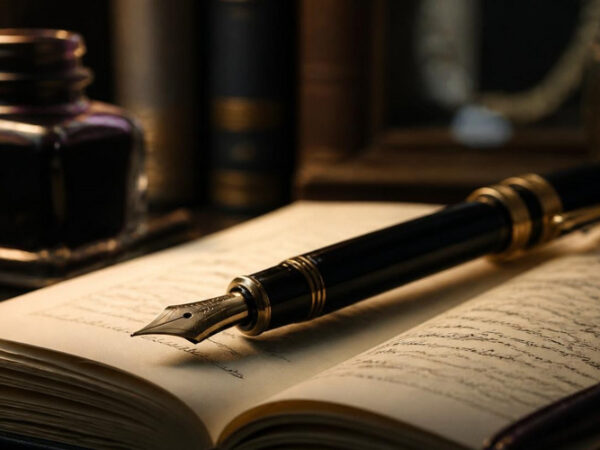
Common designs include a single pencil, often crossed with a pen or paintbrush to represent different forms of creative expression. Some people choose a pencil with a broken tip to signify the challenges or interruptions in their creative journey. Others opt for a pencil writing a specific word or phrase, making the tattoo deeply personal. The pencil tattoo can also serve as a reminder to keep sharp, stay focused, and embrace the process of making mistakes and learning from them.
Frequently Asked Questions
Q: What does a pencil symbolize in dreams?
A: While dream interpretation is subjective, a pencil in a dream is commonly thought to represent communication, ideas, or the need to express oneself. It may also indicate a desire to correct or revise something in one’s life.
Q: Why is the pencil considered a symbol of impermanence?
A: Because pencil marks can be easily erased and corrected, the pencil is seen as a symbol of flexibility, revision, and the transient nature of initial thoughts. It encourages experimentation without permanent consequences.
Q: What is the spiritual meaning of a pencil?
A: Some interpret the pencil spiritually as a tool for channeling divine inspiration—the wood representing the body, the graphite representing the soul’s mark on the world, and the eraser representing the ability to learn from mistakes and start anew.
Related Symbols
- Pen – permanence, commitment, authority
- Eraser – correction, forgiveness, second chances
- Notebook – ideas, memory, documentation
- Typewriter – old-fashioned writing, creativity, craftsmanship
- Paintbrush – artistic expression, color, broad strokes