Briefly
Holy water is water that has been blessed by a religious authority and is used in many faiths for purification, blessing, and protection. It symbolizes spiritual cleansing, the removal of sin or impurity, and connection to the divine. The practice of blessing water dates back thousands of years and is found in Christianity, Hinduism, Islam, and indigenous traditions. Holy water is often associated with rites of passage, such as baptisms and initiations, and is believed to carry protective and healing properties.
What Does Holy Water Symbolize?
Holy water primarily symbolizes purification — the washing away of spiritual or moral impurity to prepare a person for sacred encounters or rituals. In Christianity, it represents the cleansing of original sin through baptism and is used to bless people, objects, and spaces. The water itself is seen as a conduit for divine grace, transforming ordinary water into a sacred element that connects the physical and spiritual worlds.
Beyond cleansing, holy water also symbolizes protection against evil. It is often sprinkled in homes or on individuals to ward off negative influences, demons, or misfortune. In many traditions, the act of blessing the water invokes the power of a deity or saint, imbuing the water with protective qualities. Additionally, holy water can represent renewal and rebirth, especially in initiation ceremonies where it marks a new beginning in one’s spiritual life.
Positive and Negative Meanings
Positive associations: Holy water is overwhelmingly seen as a positive symbol, representing divine blessing, healing, and spiritual protection. It is used in prayers for the sick, in exorcisms, and in the consecration of churches and altars. Believers often keep holy water in their homes as a means of sanctifying their living space and invoking God’s presence. In many cultures, holy water is also thought to have physical healing properties, and it is sometimes applied to wounds or taken as a remedy for illness.
Negative meanings: While holy water itself is not viewed negatively, misuse or mockery of it can be considered profane. In folklore and horror fiction, holy water is often depicted as a weapon against supernatural evil, such as vampires or demons, which can create a fearful association for some. Additionally, in historical contexts, holy water has been exploited by those in power to control or manipulate believers, leading to skepticism or distrust among some people.
History and Origins of Holy Water Symbolism
The use of water for purification is ancient, predating Christianity by millennia. In many ancient cultures, including those of Egypt, Greece, and Rome, water was used in religious rites to cleanse both people and sacred spaces. The Jewish tradition of ritual washing (mikvah) and the use of water in temple ceremonies influenced early Christian practices. The Christian practice of blessing water specifically as holy water emerged in the 4th century, with early church fathers such as Saint Basil and Saint Ambrose describing its use for exorcism and healing.
The term “holy water” itself appears in the writings of early church leaders, and the blessing formula developed over centuries. By the Middle Ages, holy water was an integral part of Christian liturgy, used in processions, to bless homes, and as a defense against evil. In Eastern Orthodox traditions, holy water is often blessed on the Feast of Theophany (Epiphany) and is considered especially potent. The practice also spread to other religions: in Hinduism, water from the Ganges River is considered sacred and used for purification, while in Islam, water is used for ritual cleansing before prayer (wudu), though it is not “blessed” in the same sense.
Holy Water Symbolism in Different Cultures
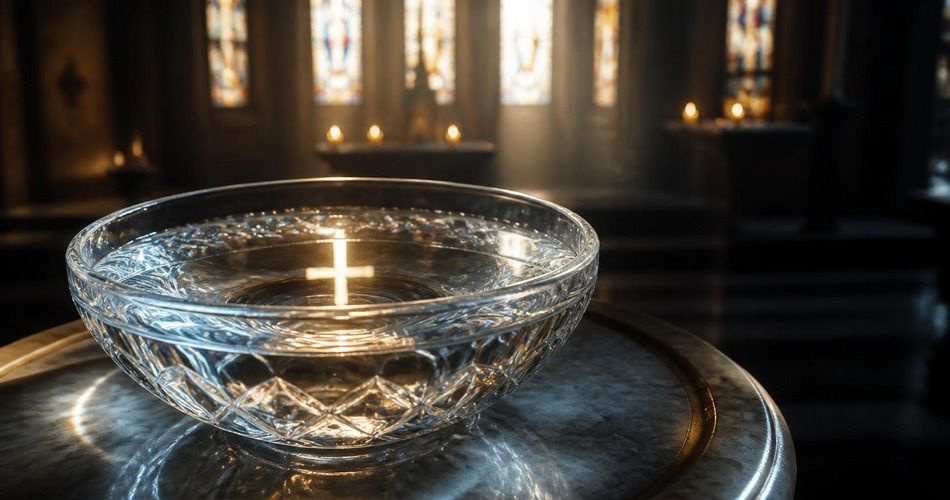
Holy water holds significance in various cultural and religious contexts. In Christianity, holy water is blessed by a priest and is used in baptism, to bless people and objects, and to ward off evil. It is commonly kept in fonts at church entrances, where worshippers dip their fingers and make the sign of the cross. In Roman Catholicism, holy water is considered a sacramental, a sacred sign that prepares the faithful to receive grace.
In Hinduism, water from the sacred River Ganges (Ganga) is considered holy and purifying. It is used in rituals, to wash away sins, and in the cremation process. Hindus also use water from other sacred rivers and tanks for purification. In Islam, while water is not called “holy” in the same way, it is used for ritual purity — wudu (ablution) before prayer and ghusl (full body washing) for major impurities. The water itself is not considered blessed but is essential for spiritual cleanliness. In Indigenous traditions worldwide, water is often seen as a living, sacred element used in ceremonies for healing, blessing, and connection to ancestors.
Spiritual Meaning of Holy Water
From a spiritual perspective, holy water represents the intersection of the divine and the mundane. It is a physical substance that carries spiritual power, believed to transmit God’s blessing and protection. In Christian theology, holy water is a reminder of the baptism of Jesus in the Jordan River and the promise of salvation through water and the Holy Spirit. For individuals, holy water can serve as a focal point for prayer, helping to center the mind and heart on spiritual matters.
The act of blessing water itself is a spiritual practice, often involving specific prayers, recitations, and sometimes the addition of salt (which symbolizes preservation and wisdom). The blessed water is then used to sanctify homes, cars, rosaries, and even the sick. In many spiritual traditions, holy water is also used in exorcisms to drive out evil spirits and to bless those who are afflicted. Its spiritual meaning is deeply tied to concepts of cleansing, renewal, and divine presence.
Holy Water in Myths and Folklore
Holy water features prominently in European folklore, especially in stories about vampires, werewolves, and other supernatural creatures. It was believed that holy water could repel or harm such beings, a concept popularized in literature and film. In medieval tales, holy water was used to protect against witches and curses, and it was often sprinkled around doorways and windows to keep evil at bay. Some folklore also held that holy water could reveal hidden truths, such as making invisible spirits visible or causing demons to flee from possessed objects.
In Slavic folklore, holy water was thought to have healing powers, especially when blessed on specific feasts like Epiphany. People would collect water from rivers or wells on this day and keep it for the year as a remedy for illness and a protection against misfortune. Similar beliefs exist in other cultures where water from sacred springs or wells is considered holy and is used for healing and blessing. While these folk beliefs vary, they all share the common theme of water as a conduit for spiritual power.
Holy Water in Superstitions and Omens
Superstitions surrounding holy water are common in many cultures. Some people believe that carrying a small bottle of holy water can protect them from accidents or negative energy. Others sprinkle it under their bed or in their car to create a protective barrier. In some traditions, it is considered bad luck to spill holy water, and doing so is thought to bring misfortune. Holy water is also used in folk remedies — for example, a few drops might be added to bathwater for a cleansing ritual or applied to a wound after prayer.
In certain Christian communities, it is believed that holy water can help with sleep disturbances by sprinkling it on the bedroom door. Some also use it in conjunction with prayers for the dead, believing it helps the soul in the afterlife. While these practices are not official church doctrine, they reflect the deep cultural belief in the protective and purifying power of holy water.
Holy Water in Art and Literature
Holy water appears in many notable works of art and literature. In Bram Stoker’s 1897 novel Dracula, holy water is used by the characters to defend against the vampire, becoming a symbol of Christian faith and protection. This depiction strongly influenced later horror fiction. In art, holy water fonts are commonly portrayed in paintings of church interiors, such as those by Pieter Jansz. Saenredam and other Dutch Golden Age painters. The sculpture of a holy water font often includes figures like angels or shells, symbolizing baptism and purification.
In film, holy water is a recurring motif in horror movies, such as The Exorcist (1973), where it is used in a dramatic exorcism scene. The visual of a priest splashing holy water on a possessed person has become iconic. In poetry, holy water sometimes represents spiritual longing or the search for divine grace, as in the works of Gerard Manley Hopkins. These examples show how holy water functions as a versatile symbol for the struggle between good and evil, the sacred and the profane.
Frequently Asked Questions
Q: What is holy water used for?
A: Holy water is used in religious rituals for purification, blessing, and protection. It is sprinkled on people, objects, or spaces to sanctify them, and it is a key element in baptism and exorcism.
Q: Is holy water only Christian?
A: While the term is most commonly associated with Christianity, many other religions use water for purification and blessing, such as in Hinduism (Ganges water) and Islam (wudu). The concept of sacred water is universal.
Q: Is holy water blessed by a priest?
A: In Christian traditions, holy water is typically blessed by a priest or bishop using a specific ritual. In Eastern Orthodox churches, it is often blessed on the Feast of Theophany. Other traditions may have their own methods of blessing water.
Q: Can holy water be used for healing?
A: Many believers use holy water in prayers for healing, and it is sometimes applied to the sick or taken internally with faith. While not a substitute for medical treatment, it is considered a sacramental that can aid spiritual healing.
Q: Is holy water effective against evil?
A: In Christian belief, holy water is considered a powerful tool against evil, used in exorcisms and to protect against demons and negative influences. This idea is also popular in folklore and horror fiction.
Related Symbols
- Baptismal water — water used in the baptism ritual, symbolizing rebirth and initiation
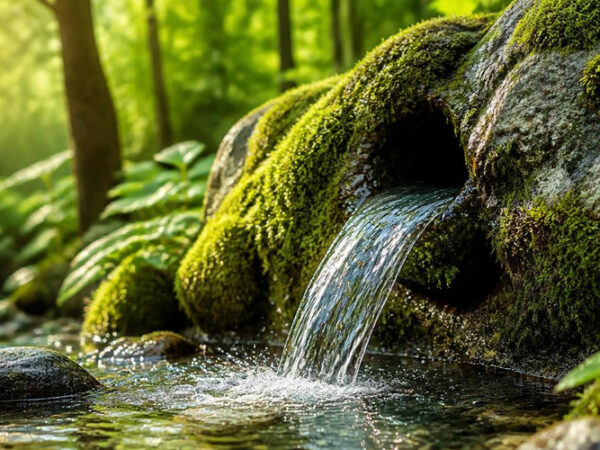
- Sacred springs — natural water sources believed to have healing or spiritual properties
- Ganges water — holy water from the River Ganges, central to Hindu purification rituals
- Ablution (wudu) — Islamic ritual washing using water for purity before prayer
- Holy oil — consecrated oil used in blessings, anointing, and sacraments