Briefly
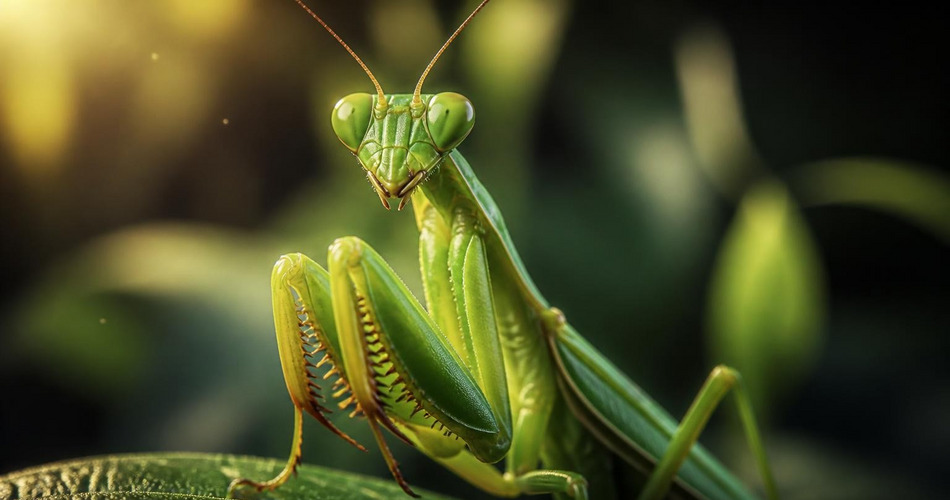
The praying mantis is a powerful insect symbol known for its distinctive posture of folded forelegs, which resembles a praying figure. It represents patience, stillness, mindfulness, and the ability to wait for the right moment to act. At the same time, its predatory nature symbolizes focus, precision, and the balance between stillness and sudden action. Across cultures, the mantis carries meanings of courage, contemplation, and even trickery.
What Does Praying Mantis Symbolize?
The praying mantis is most commonly associated with patience and stillness. Its hunting strategy—remaining motionless for long periods before striking—makes it a symbol of deliberate timing and focused intention. The mantis also represents mindfulness, as it appears to be in a meditative pose. Its large, swiveling head and keen eyesight symbolize awareness and the ability to see things from multiple perspectives. Additionally, the mantis embodies the concept of balance between calm observation and decisive action.
Positive and Negative Meanings of Praying Mantis
Positive associations: The praying mantis is often viewed as a positive omen of patience, peace, and contemplation. It encourages taking time to think before acting and trusting that the right moment will come. In many cultures, it is a symbol of good luck, prosperity, and protection.
Negative meanings: The mantis can also represent coldness, ruthlessness, and predatory aggression. Its cannibalistic mating behavior—where the female sometimes eats the male after copulation—has led to associations with danger, manipulation, and the darker side of patience. In some contexts, it is seen as a warning against being too passive or overly calculating.
History and Origins of Praying Mantis Symbolism
The praying mantis has been observed and interpreted by humans for millennia. Its name comes from the Greek word mantis, meaning prophet or seer, due to its prayer-like stance. In ancient Greece, the mantis was considered a symbol of divination and prophecy. The insect’s ability to remain still for long periods led to beliefs that it could foretell the future or guide travelers. In China, the mantis has been admired for its courage and fighting spirit, inspiring the martial art known as Praying Mantis Kung Fu, which mimics its swift, precise movements. The mantis also appears in African folklore, where it is often a trickster figure or a creator deity in some San myths.
Praying Mantis Symbolism in Different Cultures
In Chinese culture, the praying mantis symbolizes courage, fearlessness, and martial prowess. The mantis stance in kung fu emphasizes speed, accuracy, and defensive strength. In African traditions, particularly among the San people of the Kalahari, the mantis is a central figure in creation myths. The mantis (often called /Kaggen) is a trickster god who brings fire, creates animals, and teaches humans. In Native American symbolism, the mantis is seen as a messenger of stillness and patience, encouraging people to listen to their inner voice. In European folklore, the mantis was sometimes believed to point lost travelers in the right direction, and its appearance was considered a sign to pay attention to one’s surroundings.
Spiritual Meaning of Praying Mantis
Spiritually, the praying mantis is a guide for meditation and inner peace. Its posture reminds us to be still, to breathe, and to connect with a higher state of awareness. The mantis encourages self-reflection and the cultivation of patience as a spiritual discipline. It is also associated with the concept of timing—knowing when to act and when to wait. In some New Age beliefs, the mantis is seen as a totem animal that helps individuals develop clarity, focus, and the ability to see beyond illusions.
Praying Mantis in Myths and Folklore
In African San mythology, the praying mantis is a creator and trickster deity. According to myth, the mantis created the moon, the eland antelope, and taught humans how to use fire. It is a complex figure that embodies both wisdom and mischief. In Japanese folklore, the mantis is sometimes called kamakiri (sickle insect) and is associated with autumn and the warrior spirit. In European traditions, the mantis was often regarded with superstition; its appearance was thought to bring good fortune or to indicate that a traveler was on the right path. The insect’s “praying” posture also led to Christian interpretations as a symbol of piety and devotion.
Praying Mantis in Superstitions and Omens
- Good luck charm: In many cultures, seeing a praying mantis is considered a sign of good luck, prosperity, or a blessing from nature.
- Directional guide: Some European folk beliefs hold that a mantis points its forelegs in the direction a lost traveler should go.
- Weather predictor: In rural areas, the mantis was sometimes believed to predict the weather; if it was active, rain might be coming.
- Warning: In some traditions, a mantis entering a home is a warning to be patient and think carefully before making decisions.
Praying Mantis Tattoo Meaning
A praying mantis tattoo often symbolizes patience, focus, and the ability to strike at the right moment. It can also represent mindfulness, stillness, and a meditative state. For some, the tattoo embodies the warrior spirit, drawing from the mantis’s association with martial arts. The insect’s predatory nature may also symbolize strength, precision, and the balance between calm and action. Color variations can add meaning: green mantises emphasize nature and growth, while brown ones may represent earthiness and grounding.
Meanings of Different Colors and Variations of Praying Mantis
- Green praying mantis: The most common color, symbolizing harmony with nature, growth, and vitality. It reinforces the insect’s connection to plants and the environment.
- Brown praying mantis: Represents earthiness, stability, and camouflage. It suggests blending in and waiting for the right opportunity.
- White or pink mantis: Rare variations that symbolize purity, uniqueness, and spiritual insight. They are often seen as special omens.
- Orchid mantis: A species that mimics flowers, symbolizing deception, beauty, and the art of attraction. It highlights the mantis’s ability to use appearance to its advantage.
Frequently Asked Questions About Praying Mantis Symbolism
Q: What does it mean when a praying mantis visits you?
A: A praying mantis visit is often interpreted as a reminder to be patient, still, and mindful. It may signal that you need to wait for the right moment to act or to pay closer attention to your surroundings.
Q: Is a praying mantis a good omen?
A: In most cultures, yes. The praying mantis is generally considered a positive symbol of luck, protection, and spiritual guidance. However, some traditions also view it as a warning against deception or passivity.
Q: What does a praying mantis symbolize in love?
A: In love, the mantis can represent patience and the need to wait for the right partner. Its cannibalistic mating behavior also serves as a caution about power dynamics and the potential for manipulation in relationships.
Q: What is the spiritual meaning of a praying mantis?
A: Spiritually, the mantis encourages meditation, self-reflection, and trust in divine timing. It is a guide for developing inner peace and clarity.
Related Symbols
- Dragonfly – transformation and adaptability
- Butterfly – metamorphosis and rebirth
- Grasshopper – leaps of faith and opportunity
- Scarab beetle – protection and renewal
- Spider – patience and creativity