Briefly
Raspberries are small, red, sweet fruits that have long been associated with love, passion, and abundance. Their vibrant color and delicate structure also link them to femininity and fertility, while the thorns on their canes add a layer of protection and caution. In various traditions, raspberries symbolize the sweetness of life and the need to handle tender things with care.
What Does Raspberry Symbolize?
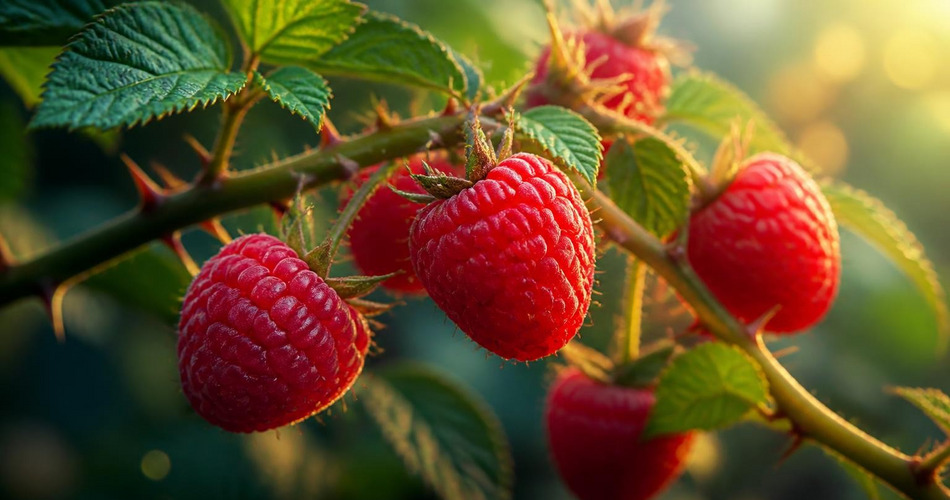
Raspberry symbolism is rooted in its sensory qualities and natural characteristics. The fruit’s bright red hue connects it to love and passion, while its many small seeds represent fertility and abundance. The soft, juicy flesh suggests sweetness and pleasure, making the raspberry a symbol of indulgence and joy. At the same time, the thorny canes from which raspberries grow introduce a note of protection and warning — good things may come with thorns.
The short growing season of raspberries also ties them to transience and the fleeting nature of happiness. In this sense, the fruit reminds us to savor life’s sweet moments before they pass. Additionally, the cluster structure of the raspberry (an aggregate fruit) symbolizes community and togetherness, as many small parts come together to form a whole.
Positive and Negative Meanings
Positive associations: Raspberry is widely seen as a symbol of love, passion, and romance. Its sweet taste and appealing color make it an emblem of pleasure and desire. The fruit also represents fertility and abundance due to its many seeds, and its heart-like shape reinforces associations with affection. In herbal traditions, raspberry leaves are used to support women’s health, linking the plant to nurturing and motherhood.
Negative meanings: The raspberry’s thorns can signify pain, caution, or the idea that beauty and sweetness are often accompanied by danger. The fruit’s delicate nature — it bruises easily and spoils quickly — can symbolize fragility, vulnerability, or the ephemeral quality of happiness. In some contexts, the raspberry may also represent temptation or a fleeting pleasure that leads to regret.
History and Origins of Raspberry Symbolism
Raspberries have been gathered and cultivated for thousands of years. Ancient Greeks and Romans used raspberries for medicinal purposes, but specific symbolic meanings are less documented. In medieval Europe, the raspberry became associated with protection — thorny brambles were planted near homes to ward off evil spirits. The red color also linked the fruit to the blood of Christ in Christian symbolism, though this is more commonly attributed to strawberries.
By the Renaissance, raspberries appeared in still-life paintings as symbols of abundance and the fleeting nature of life (vanitas). In folk medicine, raspberry leaf tea was used to ease childbirth, strengthening the fruit’s connection to femininity and fertility. The name “raspberry” itself may derive from the Old English “raspise,” meaning a rough berry, referencing the plant’s thorns.
Raspberry Symbolism in Different Cultures
In Slavic cultures, the raspberry (malina) is a beloved fruit often associated with beauty, love, and the sweetness of youth. It appears in folk songs and sayings as a metaphor for a desirable woman or a happy life. In Russia, “malina” can also mean a place of comfort or a haven, reflecting the fruit’s nurturing qualities.
In Chinese culture, the raspberry is less prominent than other fruits, but its red color aligns with good fortune and joy. The fruit’s many seeds can symbolize prosperity and many descendants. In Western herbalism, raspberry leaves are traditionally used to strengthen the uterus and ease menstrual discomfort, giving the plant a strong association with female health and motherhood.
Among Native American tribes, raspberries were used both as food and medicine. Some tribes considered the bramble a protective plant, and the berries were sometimes used in ceremonies to promote love or fertility.
Spiritual Meaning of Raspberry
Spiritually, the raspberry represents the sweetness of life and the importance of embracing pleasure with gratitude. Its thorny canes remind us that protection and boundaries are necessary to preserve what is precious. The fruit’s short season encourages mindfulness and living in the present moment.
In some spiritual practices, raspberry is associated with the heart chakra due to its red color and heart-like shape. It is thought to open the heart to love and compassion while also teaching discernment — not every sweet thing is safe to consume without care. The aggregate nature of the fruit can symbolize the unity of many souls or the coming together of diverse elements into a harmonious whole.
Raspberry in Myths and Folklore
In European folklore, raspberry bushes were often planted at the edges of gardens to protect against witches and evil spirits. The thorns were believed to snag malevolent entities, preventing them from entering. In some traditions, a raspberry cane hung over a door was thought to bring good luck and keep harm away.
In Slavic folklore, the raspberry is a symbol of the feminine principle and appears in tales about beautiful maidens who are as sweet and tempting as the fruit, but also guarded by thorns — a warning against superficial attraction. In one Russian fairy tale, a princess is hidden in a raspberry thicket, and only a true lover can brave the thorns to reach her.
Raspberry in Dreams
Dreaming of raspberries generally reflects themes of sweetness, pleasure, and emotional fulfillment. The context of the dream — whether the raspberries are ripe, spoiled, or being picked — can alter the interpretation. Because dream symbolism is highly personal, these meanings are offered as general guides rather than fixed rules.
Common Dream Scenarios
- Picking ripe raspberries: Often symbolizes harvesting the rewards of your efforts, enjoying the fruits of your labor, or entering a period of happiness and abundance.
- Eating sweet raspberries: Represents indulgence in life’s pleasures, satisfaction in a relationship, or a need to savor positive experiences.
- Seeing spoiled or moldy raspberries: May indicate missed opportunities, disappointment, or the decay of something once sweet — such as a relationship or project.
- Getting scratched by raspberry thorns: Suggests that a seemingly pleasant situation carries hidden risks or that you need to be cautious about someone who appears sweet but may cause pain.
- Sharing raspberries with someone: Can symbolize intimacy, generosity, or a desire to nurture a bond.
Raspberry in Superstitions and Omens
In some rural European traditions, it was considered lucky to find a raspberry bush growing wild near your home, as it was believed to protect the household from negative energy. Conversely, cutting down a raspberry bush was thought to bring bad luck or invite misfortune. In parts of England, a pregnant woman who ate raspberries was said to ensure an easy childbirth — a belief rooted in the herb’s traditional use as a uterine tonic.
Another superstition holds that if you dream of raspberries in winter, you will soon receive unexpected news about a romantic interest. While these beliefs are not scientifically supported, they reflect the fruit’s enduring association with love and protection.
Raspberry Tattoo Meaning
Raspberry tattoos are chosen for their aesthetic appeal and symbolic weight. Common meanings include:
- Love and romance: The red color and heart-like shape make the raspberry a natural emblem of passion and affection.
- Fertility and motherhood: Because of the fruit’s many seeds and its traditional use in women’s health, raspberry tattoos can celebrate fertility, pregnancy, or the bond between mother and child.
- Sweetness and joy: A raspberry tattoo can serve as a reminder to enjoy life’s simple pleasures and maintain a youthful spirit.
- Protection: Including the thorny cane in the design adds a layer of meaning about guarding oneself or loved ones.
Meanings of Different Types, Colors, or Variations
While red raspberries are the most common, other varieties carry slightly different symbolic nuances:
- Red raspberries: The classic symbol of love, passion, and vitality.
- Black raspberries: Darker color adds depth, mystery, and a connection to the hidden or subconscious. They can also represent resilience, as black raspberries are often hardier.
- Golden/yellow raspberries: A rarer variety, they symbolize uniqueness, sunshine, and a more gentle, platonic form of affection. Their lighter color can also represent innocence and clarity.
- Wild raspberries: Emphasize the untamed, natural aspect — freedom, self-reliance, and the beauty of wildness.
Frequently Asked Questions
Q: What does a raspberry symbolize?
A: A raspberry primarily symbolizes love, passion, sweetness, and abundance. Its thorns also represent protection and the idea that beauty can come with challenges.
Q: Is raspberry a symbol of fertility?
A: Yes, because of its many seeds and its traditional use in herbal medicine to support women’s reproductive health, the raspberry is often associated with fertility and motherhood.
Q: What does a raspberry tattoo mean?
A: Raspberry tattoos commonly represent love, romance, sweetness, and a joyful approach to life. They can also signify protection or a connection to nature.
Q: Are raspberries mentioned in the Bible?
A: No, raspberries are not specifically mentioned in the Bible. However, the red color of the fruit has been linked symbolically to blood and sacrifice in Christian art.
Related Symbols
- Strawberry: Another heart-shaped red fruit symbolizing love and temptation.
- Blackberry: Similar thorny bramble fruit, often associated with protection and wildness.
- Rose: Shares the combination of beauty and thorns, representing love with caution.
- Cherry: A red fruit symbolizing romance and the fleeting nature of youth.
- Pomegranate: A fruit with many seeds, strongly linked to fertility and abundance.