Briefly
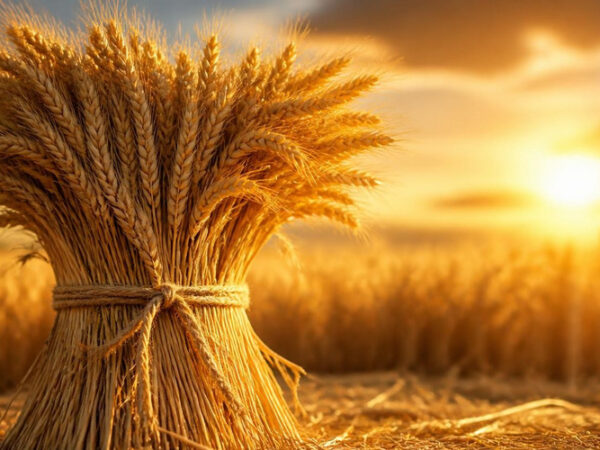
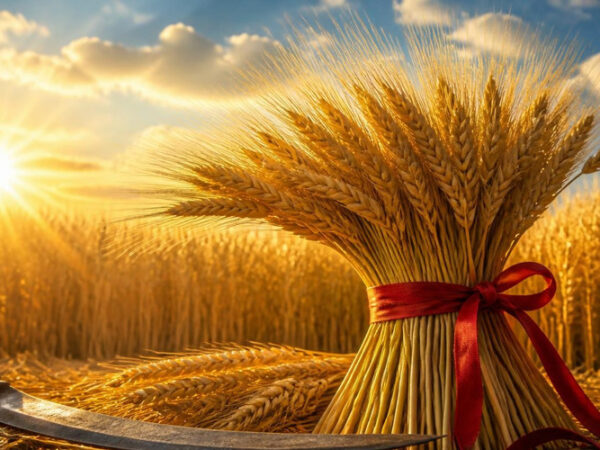
The sheaf of grain is a bundle of cereal stalks tied together after harvest, representing the culmination of agricultural labor and the earth’s bounty. Across civilizations, it has stood as a universal symbol of abundance, fertility, and the cyclical nature of life, death, and renewal. Its imagery appears in religious rites, heraldic emblems, and folk traditions, often conveying gratitude for sustenance and hope for future prosperity.
What Does Sheaf of Grain Symbolize?
The sheaf of grain primarily symbolizes harvest and the rewards of hard work. As a concentrated bundle of ripe stalks, it embodies the successful gathering of food that sustains communities. This makes it a potent emblem of abundance and prosperity, often used in rituals and decorations to celebrate a bountiful season.
Beyond material wealth, the sheaf also represents fertility and the generative power of the earth. The grains within the sheaf are seeds that can be sown again, linking the symbol to cycles of growth, death, and rebirth. In many cultures, the sheaf is associated with agricultural deities and the life-giving forces of nature.
Additionally, the sheaf of grain signifies unity and collective effort. Individual stalks bound together form a stronger whole, mirroring the cooperation required in farming communities. This aspect makes it a symbol of solidarity, teamwork, and shared purpose.
Positive and Negative Meanings
Positive associations: The sheaf of grain overwhelmingly carries positive connotations. It stands for abundance, nourishment, and the successful completion of labor. It is a symbol of gratitude, hope, and the continuity of life through the cycles of planting and harvesting. In heraldry and emblems, it often represents agricultural wealth and the virtues of diligence and perseverance.
Negative meanings: In some contexts, the sheaf can also evoke themes of mortality and the transience of life. The cut stalks, once severed from the earth, begin to decay, reminding us that all bounty is temporary. In certain folklore, a broken or scattered sheaf may be seen as an omen of poor harvest or misfortune, reflecting anxiety about food security and the fragility of human sustenance.
History and Origins of the Sheaf of Grain Symbolism
The use of the sheaf of grain as a symbol dates back to the dawn of agriculture, around 10,000 years ago in the Fertile Crescent. Early farming societies depended on cereal crops like wheat and barley, and the harvest was a critical event. Bundling stalks into sheaves was a practical method for drying and storing grain, but it quickly acquired ritual significance.
In ancient Egypt, the sheaf was associated with the god Osiris, who was often depicted with grain sprouting from his body, symbolizing resurrection and the annual flooding of the Nile. The Greeks and Romans dedicated sheaves to deities such as Demeter and Ceres, goddesses of agriculture, and used them in harvest festivals like the Thesmophoria and the Cerealia. The Roman practice of offering the first sheaf to the gods influenced later Christian traditions of harvest thanksgiving.
During the medieval period, the sheaf became a common motif in European heraldry, appearing on coats of arms to denote agricultural estates or the virtue of industry. It also featured in the iconography of the Corn Mother or Grain Mother, a folk figure representing the spirit of the crop. These historical layers have cemented the sheaf as a lasting emblem of human reliance on the land.
Sheaf of Grain Symbolism in Different Cultures
In Christianity, the sheaf of grain is often used as a symbol of the Eucharist and the body of Christ, representing spiritual nourishment. The Book of Ruth tells of Ruth gleaning sheaves, a story of loyalty and divine providence. In many European harvest festivals, the last sheaf of the season is decorated and kept as a charm for next year’s fertility.
In Chinese culture, the sheaf of grain is less prominent than rice, but wheat and barley sheaves appear in folk art as symbols of abundance and good fortune, especially during the Lunar New Year. They are often paired with other auspicious symbols like fish or peonies.
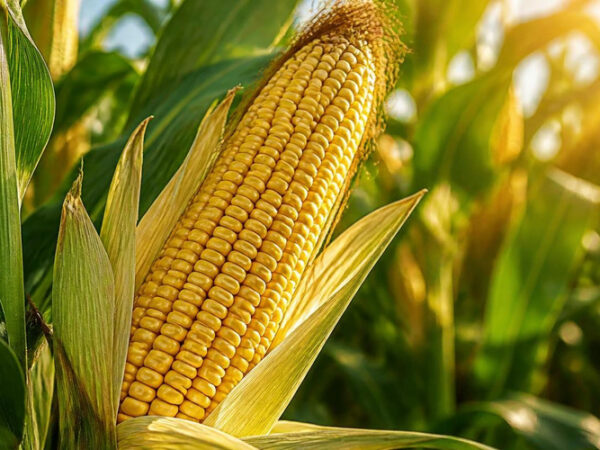
In Native American traditions, particularly among Plains tribes, the sheaf of corn (maize) holds similar significance. The Green Corn Ceremony and other harvest rituals honor the corn mother and give thanks for the crop. The sheaf represents the community’s survival and the sacred bond between humans and nature.
In heraldry, the sheaf of grain (often called a “garb”) is a common charge in European coats of arms. It appears in the arms of many families and towns, especially in agricultural regions. The number of stalks and the way they are bound can carry specific meanings, such as unity or fecundity.
Spiritual Meaning of the Sheaf of Grain
Spiritually, the sheaf of grain is a reminder of the interconnectedness of life and the divine provision. It symbolizes gratitude for the earth’s gifts and the sacred act of harvesting. In many pagan and earth-based spiritualities, the sheaf is used in rituals to honor the harvest season and to ensure the land’s continued fertility.
The sheaf also represents the cycle of death and rebirth. The cut stalks die so that the grain can be ground into flour and transformed into bread, which sustains life. This transformation is seen as a metaphor for spiritual growth and the soul’s journey through different states of being. The sheaf can thus serve as a meditation object for contemplating impermanence and renewal.
Sheaf of Grain in Myths and Folklore
In Greek mythology, the sheaf is closely tied to Demeter, the goddess of agriculture. Her daughter Persephone’s abduction and return explain the seasons, and the sheaf symbolizes the harvested grain that must be stored during the barren winter. The Eleusinian Mysteries, secret rites dedicated to Demeter, involved the display of a sacred sheaf.
In Norse mythology, the god Freyr, associated with peace and fertility, is often depicted with a sheaf of grain. His cult involved processions where a sheaf was carried to bless the fields. Folk traditions in Scandinavia still include leaving a sheaf of grain in the field for the birds at harvest time, a practice rooted in older beliefs about the spirit of the crop.
In British folklore, the “corn dolly” or “kirn” is a figure made from the last sheaf of the harvest. It is kept in the home until the next planting season to preserve the spirit of the grain and ensure a good crop. Similar customs exist across Europe, from the French “gerbe” to the Slavic “didukh” – a sheaf of wheat used in Christmas rituals to honor ancestors and invite prosperity.
Sheaf of Grain in Dreams
In dream interpretation, the sheaf of grain generally appears as a positive symbol, often representing the fruits of one’s labor, personal growth, or a period of abundance. It may indicate that the dreamer is reaping the rewards of past efforts or is about to enter a phase of fulfillment. Because grain is a staple food, the sheaf can also symbolize basic needs being met and a sense of security.
However, a dream of a withered or broken sheaf might suggest fears of failure, loss, or scarcity. It could reflect anxiety about one’s work not yielding expected results or concerns about financial stability. As with all dream symbols, the context and the dreamer’s personal associations are crucial for interpretation.
Sheaf of Grain in Superstitions and Omens
Superstitions surrounding the sheaf of grain are common in agricultural societies. A well-formed, sturdy sheaf is considered a good omen for the coming year, while a sheaf that falls apart or is damaged may be seen as a warning of hardship. In some European traditions, the last sheaf of the harvest is treated with special reverence: it is believed to house the “corn spirit,” and care is taken not to harm it.
Other superstitions include:
- Leaving a sheaf of grain in the field after harvest to feed birds and wildlife is thought to bring luck and ensure future abundance.
- Hanging a sheaf over the door of a barn or home is believed to protect against misfortune and attract prosperity.
- In some regions, it is considered unlucky to bring the last sheaf into the house before a specific ritual, as it might trap the spirit of the crop and cause a poor harvest next year.
Sheaf of Grain in Art and Literature
The sheaf of grain appears in numerous works of art and literature, often as a symbol of rural life, labor, and the cycle of seasons. In visual art, Pieter Bruegel the Elder’s painting “The Harvesters” (1565) depicts peasants binding sheaves in a sunlit field, emphasizing the dignity of agricultural work. Vincent van Gogh’s series of wheat field paintings, such as “Wheat Field with Sheaves” (1888), use sheaves to convey the vitality and rhythm of nature.
In literature, the sheaf appears in the Bible, notably in the Book of Ruth, where Ruth gleans sheaves of barley, symbolizing her loyalty and God’s provision. The poet John Keats, in his ode “To Autumn,” personifies the season as a “mellow fruitfulness” that fills the fields with sheaves. In modern literature, John Steinbeck’s “The Grapes of Wrath” uses the imagery of harvested grain to represent both the promise and the exploitation of the land during the Dust Bowl.
Frequently Asked Questions
Q: What does a sheaf of grain symbolize?
A: A sheaf of grain primarily symbolizes harvest, abundance, fertility, and the rewards of hard work. It also represents unity, as individual stalks are bound together, and the cyclical nature of life and death.
Q: Is the sheaf of grain a religious symbol?
A: Yes, it appears in many religions. In Christianity, it symbolizes the Eucharist and divine provision. In ancient Greek and Roman religions, it was associated with agricultural deities like Demeter and Ceres. It is also used in pagan harvest rituals.
Q: What is the meaning of a sheaf of grain in heraldry?
A: In heraldry, a sheaf of grain (often called a garb) represents agricultural wealth, fertility, and the virtue of industry. It is a common charge in coats of arms of families and towns with farming heritage.
Q: What does a sheaf of grain mean in a dream?
A: In dreams, a sheaf of grain typically symbolizes abundance, fulfillment, and the results of one’s efforts. It can also represent security and the meeting of basic needs. A damaged sheaf might indicate fears of loss or failure.
Related Symbols
- Cornucopia – a horn-shaped basket overflowing with produce, symbolizing abundance and nourishment.
- Sickle – a harvesting tool often paired with the sheaf, representing the act of reaping and the passage of time.
- Wheat – the individual grain plant, closely associated with the sheaf and symbolizing life, resurrection, and prosperity.
- Bread – the final product of grain, representing sustenance, community, and the transformation of labor into nourishment.
- Harvest Moon – the full moon closest to the autumnal equinox, traditionally associated with the harvest season and the gathering of sheaves.