Briefly
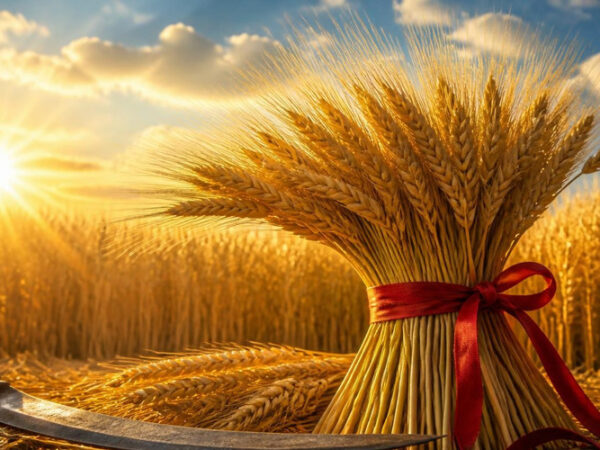
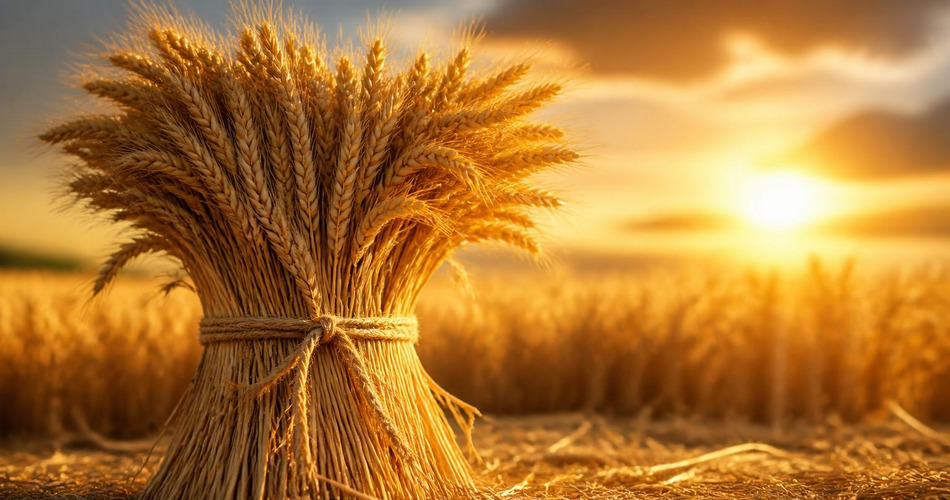
The sheaf of wheat is a powerful agricultural symbol representing abundance, harvest, fertility, and the rewards of hard work. Across cultures and centuries, it has stood for sustenance, prosperity, and the cyclical nature of life, death, and rebirth. Its golden stalks tied together evoke both the bounty of the earth and the unity of a community gathered in thanks. Whether seen on flags, in religious art, or in dreams, the sheaf of wheat speaks to humanity’s deep connection to the land and the enduring promise of renewal.
What Does Sheaf Of Wheat Symbolize?
The sheaf of wheat symbolizes abundance and prosperity, drawing directly from its role in agriculture as the gathered harvest that sustains communities through the year. It represents the successful culmination of planting, nurturing, and reaping, making it a universal emblem of reward for labor and patience. In many traditions, the sheaf also signifies fertility and growth, reflecting the earth’s capacity to regenerate and provide life.
Beyond material wealth, the sheaf of wheat carries spiritual connotations of gratitude and divine blessing. It appears in religious texts and rituals as an offering of thanks for a bountiful harvest, embodying the idea that human effort and natural forces work together to sustain life. The act of binding stalks into a sheaf also symbolizes unity and cooperation, as individual grains come together to form something greater and more enduring.
Positive and Negative Meanings
Positive associations: The sheaf of wheat is overwhelmingly positive, representing prosperity, success, and the fulfillment of goals. It evokes feelings of security, nourishment, and community, reminding us of the rewards that come from diligence and cooperation. In spiritual contexts, it symbolizes divine providence and the cyclical renewal of life, offering hope and reassurance of continuity.
Negative meanings: In contrast, the sheaf of wheat can also signify the transience of life and the inevitability of death, as the cut stalks are severed from their roots. It may represent the end of a cycle, the loss of vitality, or the harsh reality of labor and toil. In some interpretations, a withered or broken sheaf symbolizes failed harvests, scarcity, or economic hardship, serving as a reminder of nature’s unpredictability and human vulnerability.
History and Origins of the Symbolism
The symbolism of the sheaf of wheat dates back to ancient agricultural societies, where grain was the foundation of survival and wealth. In Mesopotamia and Egypt, wheat was associated with deities of fertility and the afterlife, such as Osiris, who was often depicted with grain sprouting from his body, symbolizing resurrection and renewal. The harvest itself was a sacred time, marked by rituals and offerings to ensure continued abundance.
In classical antiquity, the sheaf of wheat became a symbol of prosperity and civic virtue. Roman coins and monuments frequently featured wheat ears or sheaves to represent the wealth of the state and the generosity of the emperor. The Greek goddess Demeter (Roman Ceres) was closely linked to wheat, and her festivals celebrated the cycle of sowing and reaping, reinforcing the sheaf’s association with maternal care and the earth’s bounty.
With the spread of Christianity, the sheaf of wheat acquired new layers of meaning, often representing the Eucharist and the body of Christ. The parable of the wheat and tares in the Gospels uses wheat as a metaphor for the faithful, and the harvest became a symbol of the Last Judgment. This blend of agricultural and spiritual symbolism persisted through the Middle Ages, when the sheaf appeared in heraldry and religious art as an emblem of divine blessing and human gratitude.
Symbolism in Different Cultures
In many cultures, the sheaf of wheat is a central symbol of harvest festivals and thanksgiving. In the United States, the sheaf appears on state seals and flags, such as those of Kansas and North Dakota, reflecting the agricultural heritage of these regions. It represents the pioneer spirit, hard work, and the promise of prosperity through cultivation of the land.
In East Asian traditions, wheat is less prominent than rice, but it still carries meanings of sustenance and good fortune. In China, wheat is associated with the harvest and is used in New Year decorations to wish for abundance in the coming year. The sheaf form, however, is more common in Western iconography, where it is often used in logos, emblems, and architectural details to evoke rural values and stability.
In Slavic folklore, the sheaf of wheat is a symbol of hospitality and generosity. The last sheaf of the harvest, often called the “old man” or “harvest bride,” was treated with special reverence and kept in the home to ensure fertility and protection for the next season. This practice highlights the sheaf’s role as a bridge between the human community and the natural world, embodying gratitude and the hope for continued abundance.
Spiritual Meaning
Spiritually, the sheaf of wheat represents the soul’s journey through life, death, and rebirth. Just as wheat must be cut down and buried in the earth to produce new growth, so too does the spirit undergo transformation and renewal. This symbolism is particularly strong in mystery religions and esoteric traditions, where the grain is seen as a metaphor for the cycle of incarnation and spiritual enlightenment.
In Christianity, the sheaf of wheat is a symbol of the Resurrection and the promise of eternal life. Jesus is often referred to as the “bread of life,” and the wheat grain’s death and rebirth in the ground mirrors his own death and resurrection. The sheaf also represents the unity of believers, who are gathered together like stalks into a single bundle, bound by faith and love.
In a broader sense, the sheaf of wheat encourages gratitude and mindfulness. It reminds us to appreciate the fruits of our labor and to recognize the interconnectedness of all living things. The act of harvesting and binding wheat is a meditation on patience, trust, and the natural rhythms of existence, offering a spiritual lesson in humility and hope.
In Myths and Folklore
The sheaf of wheat appears in numerous myths and folk traditions around the world. In Greek mythology, the goddess Demeter’s grief over the abduction of her daughter Persephone caused the earth to become barren, and it was only when Persephone returned that wheat sprouted again. This myth explains the seasons and underscores the sheaf’s connection to the cycle of life and death.
In Norse mythology, the god Freyr, associated with peace and fertility, was often depicted with a sheaf of wheat, symbolizing the prosperity he brought to the land. His worship included harvest festivals where the last sheaf was believed to house his spirit, ensuring the fertility of the fields for the next year.
In many European folk traditions, the last sheaf of the harvest was the subject of elaborate customs. It was sometimes shaped into a doll or figure, called the “corn dolly,” and kept in the home or barn to protect the household and bring good luck. These practices reflect a deep belief in the sheaf as a vessel of life force and a guardian of the community’s well-being.
In Dreams
Dreaming of a sheaf of wheat generally carries positive connotations, symbolizing success, prosperity, and the fulfillment of long-term efforts. It may indicate that the dreamer is about to reap the rewards of their hard work, whether in career, relationships, or personal growth. The sheaf can also represent a period of abundance and contentment, suggesting that the dreamer is in a phase of life where their needs are being met.
However, the context of the dream is crucial. A withered or rotting sheaf might symbolize missed opportunities, financial loss, or the end of a productive period. Similarly, a sheaf that is difficult to bind or carry could reflect feelings of being overwhelmed by responsibilities or the burden of expectations. In some interpretations, the sheaf represents the dreamer’s inner resources and the need to gather and preserve their energy for future challenges.
Common Dream Scenarios
- Harvesting a sheaf of wheat: Symbolizes the successful completion of a project or the achievement of a goal, often after sustained effort.
- Receiving a sheaf of wheat as a gift: Indicates support from others, generosity, and the strengthening of social bonds.
- Seeing a field of wheat sheaves: Represents abundance, community, and the collective prosperity of a group or family.
- Dropping or losing a sheaf: May warn of carelessness, missed opportunities, or the need to pay attention to details.
- A burning sheaf: Could signify destruction of resources, anger, or the need for transformation and letting go.
In Superstitions and Omens
In many agricultural societies, the sheaf of wheat was surrounded by superstitions and omens. Finding a sheaf in a field was often considered a sign of good luck, promising a bountiful harvest and prosperity. Conversely, a broken or scattered sheaf might be seen as an omen of poor fortune, indicating that one’s efforts would not yield the expected results.
Some traditions held that the last sheaf of the harvest possessed protective qualities. It was hung in the home or barn to ward off evil spirits and ensure the fertility of livestock and crops. In other regions, the sheaf was used in divination rituals, where its condition or the manner in which it was bound was interpreted to predict the coming year’s weather or harvest.
In modern times, these superstitions have largely faded, but the sheaf still retains a sense of auspiciousness in popular culture. It is often used in logos and branding to convey reliability, growth, and a connection to nature, subtly invoking these ancient associations of luck and abundance.
In Art and Literature
The sheaf of wheat has been a recurring motif in art and literature, symbolizing both the pastoral ideal and the cycles of life. In Vincent van Gogh’s painting “Wheatfield with Sheaves” (1888), the artist captures the golden stalks in the Provençal sun, celebrating the beauty and vitality of the harvest. The sheaves in his work represent not only the physical landscape but also the spiritual connection between humanity and the earth.
In literature, the sheaf of wheat appears in works such as John Steinbeck’s “The Grapes of Wrath,” where the harvest is a central metaphor for the struggles and hopes of migrant workers. The wheat fields symbolize both the promise of prosperity and the harsh realities of exploitation, reflecting the duality of the sheaf’s meaning. Similarly, in the poetry of Robert Burns, the harvest is a recurring theme, evoking the labor and joy of rural life.
In religious art, the sheaf of wheat is often depicted in scenes of the Nativity or the Last Supper, reinforcing its association with the Eucharist and divine providence. Renaissance painters such as Albrecht Dürer included wheat in their works to symbolize the resurrection and the promise of eternal life, blending naturalistic detail with spiritual allegory.
Tattoo Meaning
The sheaf of wheat is a popular tattoo design, chosen for its rich symbolism of growth, abundance, and resilience. For many, it represents a connection to their agricultural roots or a tribute to family heritage and the land. The image of a sheaf can also signify personal growth, the rewards of hard work, and the cyclical nature of life.
In tattoo art, the sheaf is often combined with other elements such as sunflowers, poppies, or banners bearing names or dates. It may be rendered in a realistic style, with detailed stalks and grains, or in a more minimalist, line-art approach. The choice of color, typically golden yellow or earthy tones, enhances the natural and warm associations of the symbol.
For some, the sheaf of wheat tattoo serves as a memorial, honoring a loved one who worked the land or representing the continuity of family through generations. It can also be a personal reminder of one’s own journey through challenges, emerging stronger and more abundant, much like the wheat that rises again each season.
Frequently Asked Questions
Q: What does a sheaf of wheat symbolize in the Bible?
A: In the Bible, wheat is often used as a symbol of the faithful and the righteous, as seen in the parable of the wheat and tares. The sheaf represents the gathering of believers into God’s kingdom, and the harvest is a metaphor for the Last Judgment.
Q: Is a sheaf of wheat a good luck symbol?
A: Yes, in many cultures, a sheaf of wheat is considered a symbol of good luck and prosperity, often associated with harvest festivals and agricultural abundance. It is believed to bring blessings of fertility and wealth.
Q: What does a sheaf of wheat tattoo mean?
A: A sheaf of wheat tattoo typically symbolizes growth, hard work, abundance, and a connection to nature or agricultural heritage. It can also represent resilience and the cyclical nature of life.
Q: What is the difference between a sheaf and a bundle of wheat?
A: A sheaf specifically refers to a bundle of cut stalks tied together after harvesting, while a bundle can be any collection of items bound together. The sheaf is a distinct agricultural term with symbolic weight.
Related Symbols
- Cornucopia: Symbolizes abundance and nourishment, often depicted overflowing with fruits and grains.
- Wheat Stalk: Represents fertility and life, a simpler form of the sheaf’s symbolism.
- Harvest Moon: Marks the time of harvest, associated with gratitude and the completion of agricultural cycles.
- Bread: The product of wheat, symbolizing sustenance, community, and spiritual nourishment.
- Grain: A broader symbol of life, death, and rebirth, as seen in myths of the dying and rising god.