Briefly
A standard is a physical emblem — typically a flag, banner, or pole-mounted device — that represents a group, cause, or individual. Throughout history, standards have served as rallying points in battle, symbols of sovereignty in ceremonies, and markers of identity for nations, armies, guilds, and religious orders. Their symbolism is deeply tied to concepts of unity, authority, loyalty, and protection, while also carrying potential negative connotations of division, aggression, or blind allegiance.
What Does a Standard Symbolize?
A standard primarily symbolizes identity and belonging. Whether it is a national flag, a military regimental color, or a heraldic banner, the standard marks who or what a group is and what it stands for. It embodies the collective values, history, and aspirations of the people or organization it represents. In battle, a standard served as a visible focal point for troops, symbolizing unity of purpose and the commander’s authority. In civic and religious contexts, standards are carried in processions to assert presence and honor.
Beyond identity, standards symbolize authority. A royal standard flown over a palace or carried by a herald proclaims the sovereignty of a monarch. Similarly, a military standard denotes the chain of command and the legitimacy of the force. The standard also represents protection: in many cultures, capturing an enemy’s standard was a decisive victory, while losing one’s own was a profound disgrace. Thus, the standard is both a shield of group honor and a target for adversaries.
Positive and Negative Meanings of Standards
Positive associations: Standards inspire unity, pride, and courage. They give individuals a sense of shared purpose and belonging, whether in a nation, a regiment, or a sports team. A standard can be a beacon of hope in difficult times, rallying people around a common cause. In ceremonial use, standards convey dignity, tradition, and respect for the values they embody.
Negative meanings: Standards can also symbolize division, exclusion, and aggression. A flag or banner may be used to assert dominance over others, incite nationalism, or justify conflict. The same symbol that unites one group can alienate or threaten another. In extreme cases, blind loyalty to a standard can lead to fanaticism, as seen in the use of flags by oppressive regimes or extremist movements.
History and Origins of the Standard
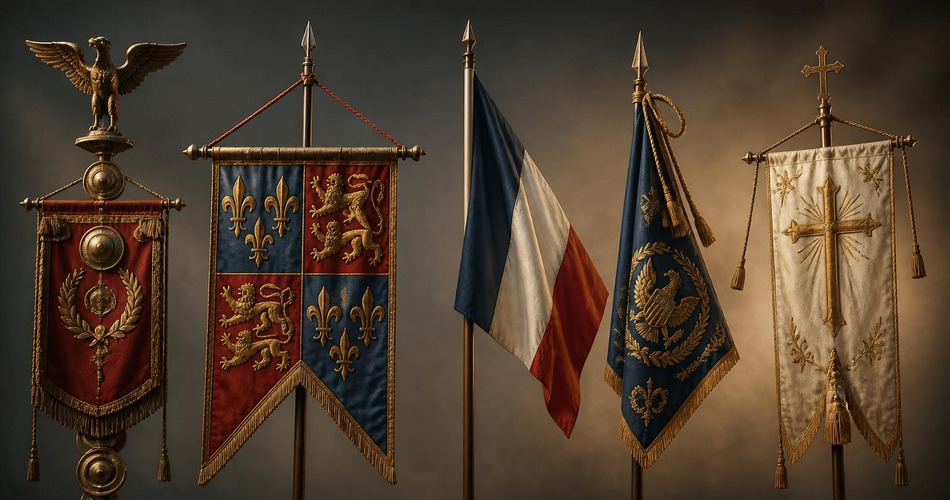
The use of standards dates back to ancient civilizations. The earliest known standards were simple totems or poles with animal figures, used by tribes to mark territory or rally warriors. In ancient Egypt, military units carried nome standards — poles topped with symbols of local gods or animals. The Roman army famously used the aquila (eagle) standard as the emblem of each legion; losing the aquila was considered a catastrophic dishonor. Roman standards also included the vexillum, a cloth banner hung from a crossbar, which is the direct ancestor of modern flags.
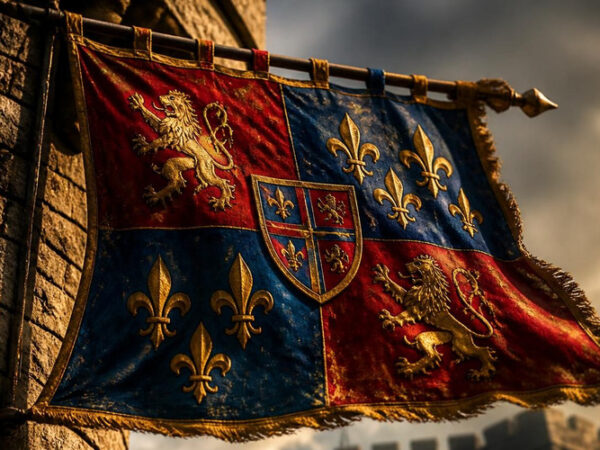
In medieval Europe, heraldry developed complex systems of standards: banners, pennons, and guidons displayed coats of arms to identify knights and lords on the battlefield and in tournaments. The feudal system relied on these visual markers to organize troops and assert noble lineage. Meanwhile, religious standards — such as the processional crosses and banners of the Catholic Church — became central to liturgical ceremonies and pilgrimages. The tradition of national flags emerged in the early modern period, with maritime flags like the Union Jack and the Tricolor becoming symbols of emerging nation-states.
Standard Symbolism in Different Cultures
In Chinese culture, the dragon flag of imperial China symbolized the emperor’s divine authority and the unity of the realm. Military standards often bore the characters for the commanding general’s name or the unit’s motto. In Japan, the nobori (vertical banners) and sashimono (small back banners worn by samurai) identified warriors and their clans during the Sengoku period. The Japanese imperial standard, a chrysanthemum crest, remains a potent symbol of the state.
In Islamic cultures, standards have both military and religious significance. The black standard of the Abbasid caliphate and the green banners of the Fatimids were early examples. The shahada (Islamic declaration of faith) is often inscribed on flags, making the standard a vehicle for religious identity. In West Africa, the Asante Empire used golden stools and ceremonial swords as standards of royal authority, while the Benin Bronzes depict warriors carrying distinctive regimental banners.
In Native American traditions, eagle feathers and animal totems attached to poles served as standards for tribes, representing clan spirits and warrior societies. The war bonnet and lance often functioned as personal standards for leaders. Across these cultures, the standard consistently serves as a tangible link between the group and its spiritual or political ideals.
Spiritual Meaning of Standards
In many religious traditions, standards are more than mere identifiers — they are sacred objects believed to carry divine presence or blessing. In Christianity, processional banners depicting saints or the cross are used in liturgical processions to honor God and invoke protection. The Labarum (the Chi-Rho standard) adopted by Emperor Constantine was seen as a heavenly sign of victory. In Buddhism, prayer flags and temple banners are used to spread blessings and symbolize the teachings of the Buddha.
In military and chivalric contexts, standards were often blessed by priests before battle, imbuing them with spiritual power. The act of consecrating a standard made it a relic that soldiers would defend to the death. This spiritual dimension reinforces the standard’s role as a protector of the group’s soul and a conduit for higher ideals.
Standards in Myths and Folklore
Standards appear in myths as objects of power and destiny. In Norse mythology, the raven banner (Hrafnsmerki) was said to grant victory to its bearer; if it fluttered as if alive, it predicted triumph, but if it hung limp, defeat was near. In Arthurian legend, the dragon standard of King Arthur was a symbol of British resistance and magical protection. The Oriflamme of the French kings was believed to be the banner of Charlemagne, imbued with holy power and carried only in dire emergencies.
Folklore often attributes supernatural qualities to standards. In some European traditions, a flag that had been blessed could ward off evil spirits, while a captured enemy standard might bring bad luck to its new owner. The White Horse of Kent and other heraldic beasts on standards were thought to embody the spirit of the land. These stories reflect the deep emotional and superstitious attachment people have to their standards.
Standards in Dreams
Dreaming of a standard — such as a flag, banner, or military color — often relates to themes of identity, loyalty, and purpose. The dream may reflect the dreamer’s sense of belonging to a group or cause, or their desire for recognition and leadership. A standard in good condition suggests pride and unity, while a torn or fallen standard may indicate loss of direction or shame.
Common Dream Scenarios Involving Standards
- Carrying a standard: Symbolizes taking on responsibility or leadership; may indicate a desire to be seen as a representative of a group.
- Seeing a standard raised high: Represents triumph, achievement, or the successful assertion of one’s values.
- A standard falling or being captured: Suggests feelings of defeat, loss of identity, or fear of being marginalized.
- An unknown or foreign standard: May reflect confusion about one’s allegiances or exposure to new ideas and groups.
Standards in Superstitions and Omens
Military superstitions surrounding standards are widespread. Dropping a regimental color during a parade or battle is considered a bad omen, foretelling defeat or disgrace. In some traditions, a flag that becomes entangled or tears unexpectedly is seen as a warning of impending trouble. Conversely, a standard that stands firm in a storm is viewed as a sign of resilience.
In folk belief, a standard that has been consecrated or blessed is thought to protect its bearers from harm. Sailors often regarded the ship’s ensign as a talisman; losing it at sea was a grave misfortune. In heraldic traditions, the direction in which a banner flies (e.g., toward or away from the enemy) could be interpreted as an omen of victory or retreat.
Standards in Art and Literature
Standards feature prominently in art and literature as symbols of conflict, identity, and transition. In the Bayeux Tapestry, the Norman and English standards are meticulously depicted, showing the dragon of Wessex and the Papal banner carried by William the Conqueror’s forces. The tapestry uses standards to narrate the battle and convey the legitimacy of the Norman claim.
In literature, the Roman standard appears in Shakespeare’s Julius Caesar and Antony and Cleopatra, where the eagle is a symbol of imperial power and its fall marks the decline of an era. In The Lord of the Rings, the White Tree banner of Gondor represents the return of the king and the restoration of hope. The flag in F. Scott Fitzgerald’s The Great Gatsby is less prominent, but the green light can be seen as a personal standard of aspiration. In poetry, the Star-Spangled Banner by Francis Scott Key uses the survival of the American flag after bombardment to symbolize national endurance.
Standard Tattoo Meaning
Standard tattoos — such as flags, heraldic banners, or military colors — are popular among those who wish to express patriotism, group membership, or personal values. A national flag tattoo often signifies pride in one’s heritage or a connection to a homeland. Military veterans may get tattoos of their unit’s standard to commemorate service and camaraderie. Heraldic banners can represent family lineage or personal mottos. The standard tattoo serves as a permanent declaration of identity and loyalty.
Meanings of Different Types of Standards
- National flags: Represent sovereignty, unity, and the collective identity of a country. Each color and symbol carries specific historical and cultural meanings.
- Military colors: Regimental flags or guidons symbolize the honor, history, and esprit de corps of a unit. They are often decorated with battle honors.
- Heraldic banners: Display the coat of arms of a noble family, city, or institution. They signify lineage, authority, and territorial claims.
- Religious standards: Processional banners, crosses, or flags used in worship symbolize faith, divine protection, and the presence of the sacred.
- Personal standards: In medieval times, a knight’s pennon or banneret represented his personal honor and feudal obligations. Today, personal flags are used by some individuals to express unique identities.
Frequently Asked Questions about Standards
Q: What is the difference between a standard and a flag?
A: While often used interchangeably, a standard originally referred to a pole-mounted emblem, often with a rigid shape or finial, used by military units or guilds. A flag is typically a flexible piece of cloth attached by one edge. In heraldry, a standard is a specific type of long, tapering banner bearing badges and mottos.
Q: Why are standards important in battle?
A: Standards served as rallying points for troops, helping to maintain formation and morale. They also identified units and commanders, enabling coordination. Losing a standard was a severe blow to unit cohesion and honor.
Q: Can a standard have negative symbolism?
A: Yes. Standards can represent exclusion, aggression, or blind nationalism. They may be used to intimidate or oppress, and their capture or desecration is often a symbol of defeat or humiliation.
Related Symbols
- Flag: The most common modern form of a standard, representing nations and organizations.
- Banner: A cloth standard, often used in processions or heraldry.
- Coat of arms: The heraldic design that appears on many standards.
- Totem pole: A carved standard used by indigenous cultures to represent clan identity and spiritual beliefs.
- Pennon: A small, pointed flag used by knights and cavalry.