Briefly
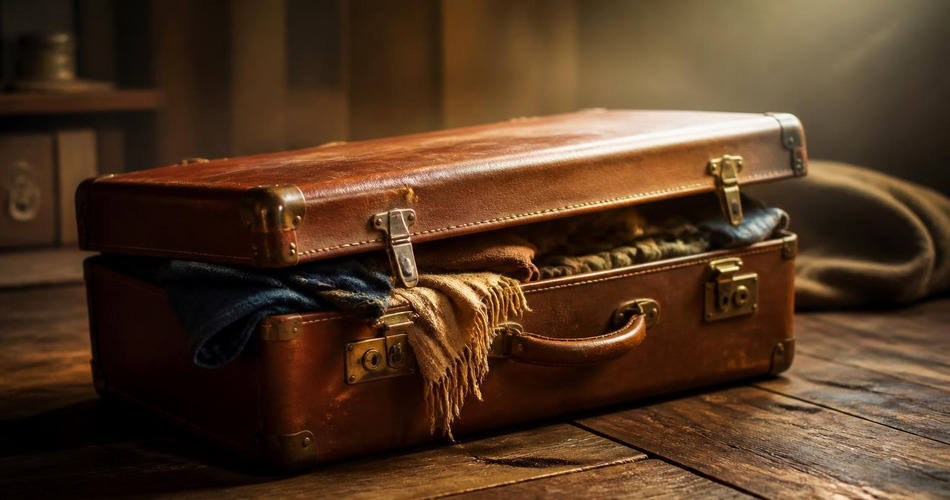
The suitcase is a powerful symbol of travel, transition, and the personal baggage we carry through life. It represents both physical journeys and emotional or psychological transitions, embodying the duality of adventure and uncertainty. As a container for personal belongings, it also symbolizes identity, memory, and the selective nature of what we choose to bring with us into new phases of life.
What Does the Suitcase Symbolize?
The suitcase primarily symbolizes journeys—both literal and metaphorical. It is closely associated with travel, relocation, and the act of leaving one place for another. On a deeper level, it represents the emotional and psychological baggage a person carries, including memories, experiences, and unresolved issues. The suitcase also signifies preparation and anticipation, as packing requires deliberate choices about what is essential for the road ahead.
In a broader sense, the suitcase can symbolize identity. The items one packs reflect personal priorities, values, and even social status. A well-organized suitcase may suggest discipline and foresight, while a chaotic one might indicate indecision or emotional turmoil. The act of unpacking can represent settling in or confronting hidden aspects of oneself.
Positive and Negative Meanings
Positive associations: The suitcase often evokes excitement and opportunity. It is linked to adventure, new beginnings, and the thrill of exploration. Packing a suitcase can be an act of hope, signaling a fresh start or a long-awaited trip. It also represents freedom and the ability to move through the world.
Negative meanings: Conversely, the suitcase can signify instability, rootlessness, or the burden of unresolved problems. It may represent emotional baggage—past traumas or regrets that one carries but cannot easily set down. In dreams, a lost or heavy suitcase often reflects anxiety about change, loss of control, or fear of the unknown.
History and Origins of the Suitcase Symbolism
The modern suitcase evolved from trunks and portmanteaus used for centuries to transport belongings during travel. In the 19th century, as rail travel expanded, lightweight luggage became essential, and the suitcase as we know it emerged. Its symbolism grew alongside the rise of tourism and migration, becoming a universal emblem of mobility.
In literature and art, the suitcase gained symbolic weight during the 20th century, particularly in narratives of exile, immigration, and displacement. For many, the suitcase represents the thin line between home and homelessness, carrying the weight of cultural identity and personal history. The phrase “living out of a suitcase” captures a transient lifestyle, often romanticized but also associated with loneliness.
Suitcase Symbolism in Different Cultures
In Western cultures, the suitcase is commonly associated with leisure travel and adventure, but also with the American Dream and the idea of starting anew. In immigrant narratives, the suitcase symbolizes hope and sacrifice—packed with essentials for a better life in a new country.
In some Eastern cultures, the suitcase can represent the impermanence of life, echoing Buddhist teachings on attachment and letting go. The act of packing lightly may be seen as a virtue, while a heavy suitcase symbolizes worldly burdens. In Jewish culture, the suitcase is a poignant symbol of diaspora and survival, often appearing in Holocaust literature and art as a reminder of forced displacement.
Spiritual Meaning of the Suitcase
Spiritually, the suitcase is a metaphor for the soul’s journey through life. It represents the lessons, memories, and attachments a person accumulates along the way. A light suitcase suggests spiritual detachment and readiness for change, while a heavy one indicates unresolved karma or emotional weight.
In meditation and visualization practices, the suitcase can be used as a symbol for releasing the past. Imagining unpacking unnecessary burdens or leaving a suitcase behind can help individuals let go of grief, guilt, or fear. It also appears in guided imagery for life transitions, such as retirement, divorce, or moving to a new home.
Suitcase in Myths and Folklore
While the suitcase itself is a relatively modern object, it appears in folklore as a motif of magical travel. In European folktales, enchanted bags or trunks often grant the owner the ability to travel instantly or carry impossible amounts of goods. These stories parallel the suitcase’s symbolic function as a vessel for both physical and magical journeys.
In some traditions, a suitcase left at a crossroads is considered an omen of departure or abandonment. Folk superstitions also warn against packing a suitcase on a bed, as it is believed to bring bad luck or delay the trip. Such beliefs reinforce the suitcase’s connection to fate and the unknown.
Suitcase in Dreams
Dreaming of a suitcase often reflects the dreamer’s feelings about change, responsibility, and personal identity. The condition and contents of the suitcase provide clues to the dream’s meaning. Common scenarios include forgetting a suitcase, losing it, or finding it packed with unexpected items.
Common Dream Scenarios
- Packing a suitcase: Indicates preparation for a new phase in life, such as a job change, relationship, or move. It may also suggest anxiety about making the right choices.
- Forgetting a suitcase: Symbolizes fear of leaving something important behind—perhaps a missed opportunity, unresolved emotion, or neglected responsibility.
- Losing a suitcase: Reflects a sense of lost identity or control. It may point to worries about being unprepared or losing one’s way.
- Heavy or overflowing suitcase: Suggests emotional burden or overwhelm. The dreamer may be carrying too much stress or unresolved issues.
- Empty suitcase: Can represent a fresh start or a feeling of emptiness. It may indicate readiness for new experiences or a lack of direction.
Suitcase in Superstitions and Omens
Several superstitions surround suitcases, particularly related to travel. One common belief is that placing a suitcase on a bed before a trip brings bad luck, as it invites delays or cancellations. Another superstition holds that an empty suitcase should never be given as a gift, as it symbolizes a journey with no return.
In some cultures, seeing a suitcase in a dream is considered an omen of an upcoming journey—either literal or metaphorical. A well-packed suitcase is a good sign, while a damaged or lost one warns of obstacles ahead. These beliefs reflect the suitcase’s role as a symbol of fate and transition.
Suitcase in Art and Literature
The suitcase appears in numerous works of art and literature as a symbol of displacement, memory, and identity. In “The Suitcase” by Sergei Dovlatov, the author uses a suitcase filled with items from his past to explore themes of exile and nostalgia. The suitcase becomes a repository of memories from his life in the Soviet Union.
In visual art, the suitcase is a recurring motif in the work of Christian Boltanski, who uses piles of used clothing and suitcases in installations to evoke the Holocaust and the anonymity of loss. His piece “Les Suisses Morts” (The Dead Swiss) features suitcases as symbols of lives interrupted.
In film, the suitcase often serves as a plot device or metaphor. In “The Terminal” (2004), the protagonist’s suitcase contains his identity and hope for a new life. In “Lost in Translation” (2003), suitcases represent the transient nature of the characters’ stay in Tokyo and their emotional isolation.
Frequently Asked Questions
Q: What does a suitcase symbolize in a dream?
A: In dreams, a suitcase often represents personal baggage—emotional or psychological—and the dreamer’s readiness for change. The condition and contents of the suitcase provide further insight into feelings about a transition or journey.
Q: Is a suitcase a positive or negative symbol?
A: The suitcase can be both. It symbolizes adventure, opportunity, and new beginnings, but also instability, emotional burden, and the stress of change. Its meaning depends on context and personal associations.
Q: What does it mean to pack a suitcase in a dream?
A: Packing a suitcase in a dream typically indicates preparation for a new phase in life. It may reflect excitement or anxiety about an upcoming change, such as a move, trip, or major life decision.
Related Symbols
- Backpack: A more casual symbol of travel and adventure, often associated with youth and freedom.
- Trunk: An older form of luggage, symbolizing heritage, storage, and the past.
- Keys: Represent access, opportunity, and the unlocking of new experiences.
- Doors: Symbolize transitions and new beginnings, much like the suitcase.
- Road: A symbol of life’s journey and the path ahead.