Briefly
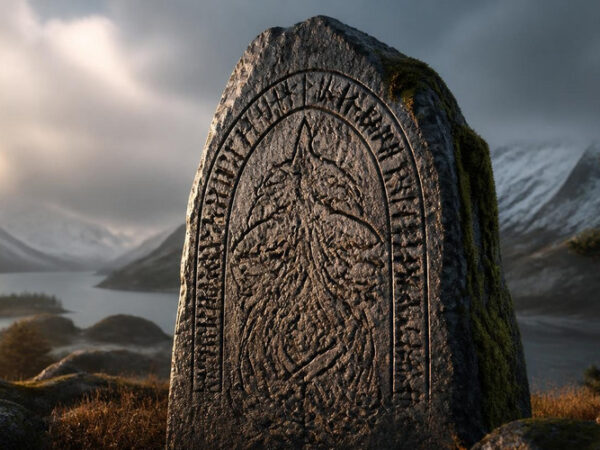
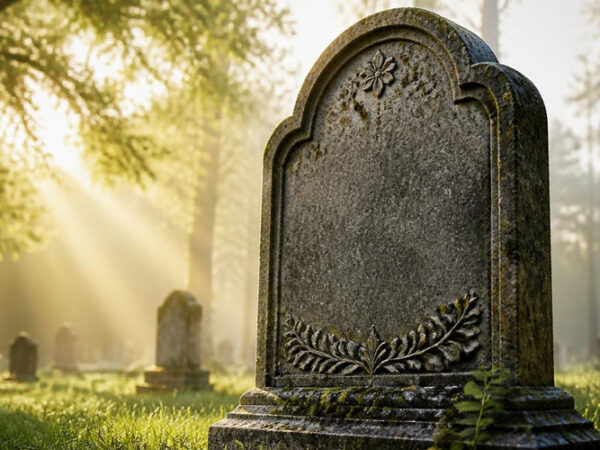
A tomb is a structure built to contain the remains of the dead, serving as a physical marker of a life that has passed. Across human history, tombs have symbolized not only death and the finality of life, but also the enduring human desire to remember, honor, and connect with those who came before. They represent a threshold between the living world and whatever lies beyond, embodying concepts of memory, legacy, and spiritual transition.
What Does a Tomb Symbolize?
A tomb symbolizes the finality of physical life and the mystery of what follows death. It is a place of rest, but also of memory, where the living can pay respects and preserve the legacy of the deceased. Tombs often signify power and status, as grand tombs were built for rulers and nobles to ensure their memory endured. They can also represent a journey or passage—from the known world of the living to an unknown realm beyond.
In many cultures, a tomb is not just a grave but a sacred space, a microcosm of the universe or a house for the spirit. It reflects beliefs about the afterlife, the soul, and the cycle of existence. Tombs can thus embody both an end and a beginning, a point of closure and a gateway.
Positive and Negative Meanings
Positive associations: Tombs can symbolize honor, remembrance, and the preservation of heritage. They provide a focal point for mourning and tribute, allowing communities to maintain connection with ancestors. In art and literature, tombs often represent wisdom, the passage of time, and the dignity of a completed life.
Negative meanings: Tombs are strongly associated with death, loss, and the fear of mortality. They can evoke feelings of grief, isolation, and finality. In darker contexts, tombs symbolize imprisonment, the weight of the past, or unresolved trauma—a place from which there is no escape.
History and Origins of Tomb Symbolism
The practice of constructing tombs dates back to prehistoric times, with early examples such as megalithic tombs like Newgrange in Ireland (c. 3200 BCE). These structures aligned with celestial events, indicating that tombs were not only functional but symbolic, linking the dead with cosmic cycles. Ancient Egyptian pyramids and mastabas are perhaps the most famous tombs, built to ensure the pharaoh’s safe passage to the afterlife and laden with religious symbolism about the sun, rebirth, and divine kingship.
In classical antiquity, Greek and Roman tombs often included inscriptions, portraits, and reliefs that celebrated the life of the deceased. Roman columbaria housed ashes, while grand mausoleums like the Mausoleum at Halicarnassus (one of the Seven Wonders of the Ancient World) asserted the power and legacy of the builder. Over time, tomb symbolism evolved from purely religious and royal to more personal and familial, reflecting changing attitudes toward death and memory.
Symbolism of Tombs in Different Cultures
In ancient Egypt, tombs were central to a complex belief system about the afterlife. The pyramid’s shape symbolized the rays of the sun, aiding the pharaoh’s ascent. Burial goods and the Book of the Dead provided guidance for the soul. Chinese imperial tombs, such as the mausoleum of Qin Shi Huang, were designed as underground palaces, furnished with everything needed for the afterlife, and guarded by the Terracotta Army to symbolize eternal protection.
In medieval Europe, tombs in churches and cathedrals acted as visual reminders of mortality and the Christian hope of resurrection. Effigies depicted the deceased in prayer, awaiting judgment. Islamic tombs, such as the Taj Mahal, blend spiritual and earthly beauty, representing paradise and the enduring love of a builder for his wife. Many African cultures build tombs as houses for the spirit, with offerings left to maintain connection with ancestors. Jewish tradition stresses simplicity in tombs, emphasizing equality in death, as seen in the use of plain headstones.
Spiritual Meaning of Tombs
Spiritually, a tomb is often seen as a threshold between the physical and spiritual worlds. Many belief systems hold that the soul does not end at death but travels onward, and the tomb marks the point of departure. It is a place where the living can communicate with the dead through prayer, meditation, or ritual. Tombs can also be sites of pilgrimage, offering a sense of spiritual grounding and connection to historical figures or saints. The sacredness of a tomb lies in its ability to hold both memory and mystery, grounding the abstract concept of afterlife in a physical space.
Tombs in Myths and Folklore
Tombs appear frequently in world mythology as places of power, danger, or transformation. In Greek myth, the tomb of King Minos in Crete is linked to the labyrinth and the Minotaur, a symbol of hidden darkness. In Norse folklore, burial mounds are homes to the dead who sometimes guard treasures or haunt the living. The legend of the Phantom Tomb in Japanese folklore tells of a ghostly grave that appears only at certain times, warning of impending doom. Many cultures also tell of cursed tombs, like that of Tutankhamun, where opening the grave was said to bring misfortune. These myths emphasize the tomb as a boundary not to be crossed lightly, reinforcing its role as a sacred and dangerous threshold.
Tombs in Dreams
Dreaming of a tomb can have multiple interpretations. It may reflect feelings about death or endings, whether literal or metaphorical—such as the end of a relationship, a job, or a phase of life. A tomb in a dream can symbolize buried emotions, forgotten memories, or the need to let go of the past. It might also represent a desire for closure or a fear of the unknown. The condition of the tomb (old, new, open, sealed) can modify the meaning, offering clues about the dreamer’s emotional state.
Common Dream Scenarios Involving Tombs
- An open tomb: May indicate an opportunity to uncover hidden truths or to release something from the past.
- A sealed or locked tomb: Can represent repressed feelings or aspects of the self that are being kept hidden.
- Visiting a tomb: Often reflects a need to remember or honor a lost loved one or past experience.
- A tomb in ruins: Suggests neglect of one’s heritage or memories, or a feeling that something important is fading.
Tombs in Superstitions and Omens
- Visiting a tomb at night: In many cultures, this is considered unlucky, as it is believed to disturb spirits or attract negative energy.
- A bird landing on a tomb: Seen as a sign from the deceased, often a message of peace or warning.
- Flowers left on a tomb withering quickly: Interpreted as a sign that the soul is restless or that the visit was not welcome.
- Walking over a tomb: Considered disrespectful and thought to bring bad luck or offend the dead.
Tombs in Art and Literature
Tombs have been powerful symbols in art and literature across centuries. In Shakespeare’s Hamlet, the graveyard scene and the tomb of Ophelia are central to themes of mortality and madness. The Egyptian pyramids appear in numerous works, such as Napoleon’s Egypt campaign paintings, symbolizing eternal mystery and imperial ambition.
In poetry, Thomas Gray’s “Elegy Written in a Country Churchyard” uses the humble gravestones of common people to reflect on death, fame, and the universal human experience. The Romantic painter Caspar David Friedrich often depicted tombs and ruins, such as in “The Abbey in the Oakwood” (1810), where a procession carries a coffin to a ruined Gothic tomb, symbolizing transience and the sublime power of nature over human ambition. In modern film, the tomb of Tutankhamun and its supposed curse have been a recurring motif, from classic horror to adventure movies like “The Mummy” (1999).
Frequently Asked Questions About Tomb Symbolism
Q: What does a tomb symbolize in a dream?
A: A tomb in a dream often symbolizes endings, hidden emotions, or the need for closure. It can also represent a part of the dreamer’s past that is being buried or revisited.
Q: Is a tomb always a negative symbol?
A: No. While tombs are linked to death, they also symbolize honor, memory, and legacy. In many cultures, they are sacred places that provide comfort and continuity between generations.
Q: Why are tombs built above ground?
A: Above-ground tombs, such as mausoleums, often serve to physically elevate the deceased, symbolizing status, remembrance, and sometimes a closer connection to the heavens.
Related Symbols
- Grave: A simpler burial site, often marked by a headstone, emphasizing resting place rather than monumental structure.
- Pyramid: A monumental tomb structure, especially in ancient Egypt, symbolizing the sun’s rays and the pharaoh’s ascent to the afterlife.
- Cemetery: A collective space for graves and tombs, representing community, remembrance, and the cycle of life and death.
- Mausoleum: A large, freestanding tomb building, often associated with wealth, power, and the desire for enduring legacy.
- Sarcophagus: A stone coffin, often decorated with reliefs, symbolizing the physical protection of the body and the hope for rebirth.