Briefly
A grave is a place where the physical remains of the deceased are interred, serving as a tangible marker of death and a site for mourning and remembrance. Across cultures, graves symbolize the finality of life yet also the hope of an afterlife or spiritual continuity. They represent both an ending and a transition, embodying the human need to honor the dead and confront mortality. The grave is a powerful symbol of memory, loss, and the enduring bond between the living and those who have passed.
What Does Grave Symbolize?
The grave primarily symbolizes death and the physical end of a person’s existence. It marks the place where the body returns to the earth, reflecting the cycle of life and decay. Beyond this, graves are potent symbols of remembrance and legacy, as they become sites where loved ones can visit, reflect, and maintain a connection with the deceased. They also represent the concept of transition or passage, as many belief systems view the grave not as the final stop but as a gateway to an afterlife or spiritual realm. Additionally, graves can symbolize respect for the dead, social status (through elaborate tombs or humble markers), and the collective cultural attitudes toward mortality and the unknown.
Positive and Negative Meanings
Positive associations: Graves can symbolize remembrance, honor, and the enduring love between the living and the departed. They provide a focal point for grief and healing, allowing individuals to process loss and celebrate a life lived. In many cultures, a well-tended grave is a sign of respect and familial duty.
Negative meanings: Graves also carry associations with fear, grieving, and the unknown. They are often linked to mortality anxiety and the inevitability of death. A neglected or desecrated grave may symbolize disrespect, unresolved grief, or the erasure of memory. In some contexts, graves can evoke superstitions about ghosts, hauntings, or restless spirits.
History and Origins of Grave Symbolism
Human burial practices date back tens of thousands of years, with the earliest known graves appearing in the Paleolithic era. The act of burying the dead with care suggests that early humans attributed significance to the afterlife or the spirit’s journey. Ancient cultures like the Egyptians built elaborate tombs — such as the pyramids — not only as graves but as vessels for the soul’s survival in the next world. The Greeks and Romans marked graves with stelae, urns, and inscriptions, emphasizing memory and the achievements of the deceased. In medieval Europe, churchyard graves became central to community life, reinforcing the Christian doctrine of resurrection. Over time, the grave evolved from a simple burial pit to a complex symbol shaped by religious, social, and philosophical beliefs about death and what lies beyond.
Grave Symbolism in Different Cultures
In Christianity, graves are often oriented east-west, with the head at the west end, so the dead face east toward the rising sun, symbolizing the hope of resurrection. Crosses or headstones may carry religious iconography emphasizing eternal life.
In Hinduism, cremation is more common, but graves exist for saints or those who die in certain ways. The soul is believed to be reborn, so the physical grave holds less significance than the cycle of reincarnation.
In Chinese culture, graves are often situated on hillsides according to feng shui principles to ensure harmony with nature and the spirits. Ancestor worship includes regular visits to graves to offer food and incense, reinforcing family bonds across generations.
In African traditions, such as in Ghana, graves may be adorned with personal items or symbolic carvings representing the deceased’s status or achievements, reflecting a belief in the continuity of life after death.
In Islamic tradition, graves are simple and unadorned, often aligned toward Mecca. The focus is on humility before God and the belief in the Day of Judgment.
Spiritual Meaning of Graves
Spiritually, the grave signifies the threshold between the material world and the afterlife. Many traditions view it as a place where the soul departs the body and begins its journey into the unknown. For believers, a grave is not the end but a passage to a higher state of being or reunion with the divine. It can also be a site for spiritual reflection, reminding the living of the impermanence of earthly life and the importance of moral conduct. In some esoteric beliefs, graves hold residual energy or memories of the deceased, making them locations for meditation or communication with spirits.
Graves in Myths and Folklore
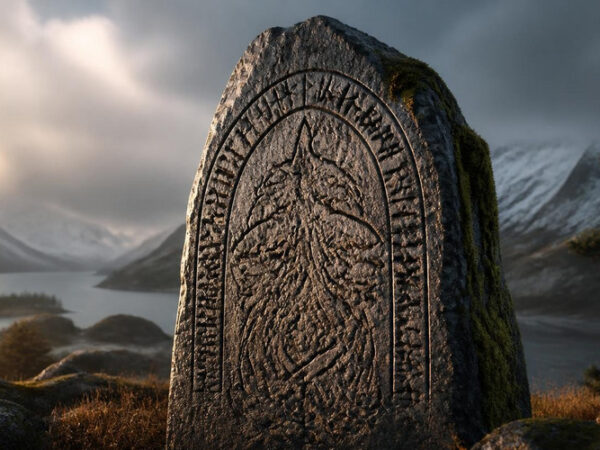
Graves feature prominently in myths and folklore as portals or places of transformation. In Greek mythology, the hero Orpheus descends into the Underworld through a cave — a symbolic grave entrance — to retrieve his wife Eurydice. The story highlights the danger and impossibility of reversing death. In Norse mythology, burial mounds are the dwelling places of the dead, where treasures and memories are preserved. Heroes may rise from their graves to protect their kin, as in the tale of the draugr. In European folklore, graves are often associated with restless spirits, vampires, or revenants, reflecting deep-seated fears of the dead returning. The practice of placing stones on Jewish graves stems from the belief that stones prevent spirits from wandering.
Graves in Dreams
Dreaming of a grave often touches on themes of endings, unresolved grief, or the subconscious processing of mortality. It may reflect a fear of death or the end of a chapter in the dreamer’s life. Alternatively, graves in dreams can symbolize repressed emotions or memories that need to be acknowledged. The context of the dream — whether the grave is open, fresh, old, or adorned — can provide further clues. Open graves might suggest unfinished business or a fear of upcoming loss, while a well-tended grave may indicate healthy mourning or acceptance.
Common Dream Scenarios
- Seeing a fresh grave: May represent recent loss or an ending that is still raw, such as a relationship or job.
- Standing at a grave: Suggests contemplation of mortality or a need to confront feelings about a deceased person.
- An open grave: Could indicate fear of upcoming loss or unresolved grief that feels exposed.
- Grave with flowers or offerings: Often symbolizes remembrance, respect, and the ability to move forward after loss.
- Discovering your own grave: A powerful symbol of a desire for change, transformation, or the end of an old self.
Graves in Superstitions and Omens
- Walking over a grave: In many cultures, this is considered disrespectful or bad luck, as it disturbs the dead.
- A grave that sinks or collapses: Often viewed as an omen of a second death in the family or unresolved sorrow.
- Hearing a raven near a grave: In some European folklore, this signals the presence of a spirit or an impending death.
- Flowers left on a grave wilting quickly: Some believe this indicates the deceased is unhappy or that a blessing has been refused.
- Facing a grave at night: Considered an invitation for spirits to follow you home in certain beliefs.
Graves in Art and Literature
In literature, graves appear as potent symbols of mortality and reflection. In William Shakespeare’s Hamlet, the graveyard scene (Act V, Scene 1) features Hamlet contemplating a skull, a direct meditation on death’s inevitability and the vanity of earthly ambitions. The gravediggers’ dark humor underscores the universality of death. In Emily Brontë’s Wuthering Heights, the grave is a recurring motif — Heathcliff’s obsession with Catherine’s grave symbolizes his inability to let go and his longing for reunion beyond death. In poetry, Thomas Gray’s Elegy Written in a Country Churchyard uses the quiet rural grave to reflect on the lives of the humble and the universal fate of all people. In visual art, the graveyard is a common subject in Romantic painting, such as Caspar David Friedrich’s Abbey in the Oakwood (1809–1810), where a funeral procession moves through a ruined Gothic church, emphasizing the melancholy and transience of life.
Meanings of Different Types of Graves
- Individual graves: Often symbolize personal memory, unique identity, and the singular life of the deceased.
- Family plots or mausoleums: Represent lineage, ancestry, and the enduring bonds of family across generations.
- Mass graves: Symbolize collective tragedy, war, genocide, or natural disaster, often lacking individual commemoration.
- Elaborate tombs or pyramids: Reflect wealth, power, and the desire for legacy, as seen in ancient Egypt or imperial China.
- Natural or green burials: Emphasize the return to nature, sustainability, and the cycle of life and decay.
Frequently Asked Questions
Q: What does a grave symbolize in general?
A: A grave primarily symbolizes death, remembrance, and the transition to an afterlife or spiritual continuity.
Q: Are graves always negative symbols?
A: No, graves can also represent honor, love, healing, and the celebration of a life lived.
Q: What does a grave mean in dreams?
A: In dreams, a grave often symbolizes endings, grief, or the subconscious processing of loss or change.
Q: Do all cultures view graves as sacred?
A: Most cultures treat graves with respect, but beliefs about their spiritual significance vary widely, from sites of veneration to places to be avoided.
Related Symbols
- Cross: Connection to Christian burial and resurrection.
- Skull: Emblem of mortality and the fleeting nature of life.
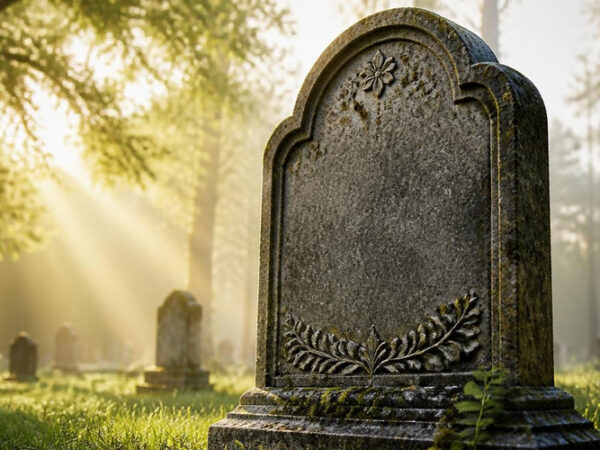
- Tombstone: Marker of identity and remembrance.
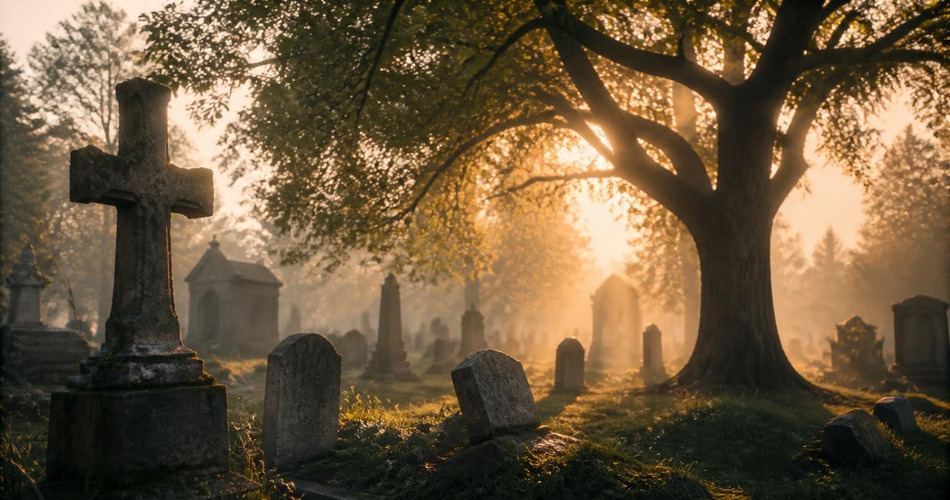
- Cemetery: Collective space for graves, reflecting community and heritage.
- Urn: Vessel for ashes, representing the eternal soul.