Briefly
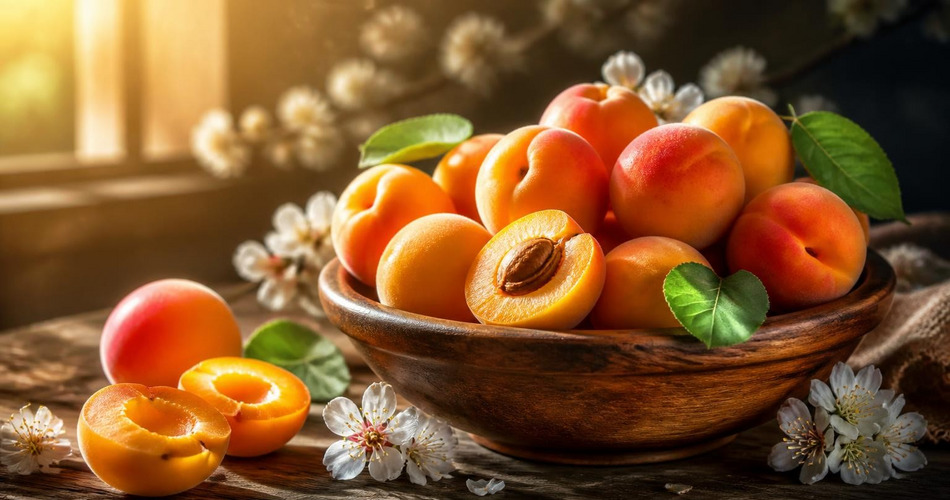
Apricot often symbolizes abundance, love and fertility, linked to its sweetness and golden-orange color. In many cultures, the apricot tree is seen as a bringer of good fortune and an emblem of life-giving generosity. At the same time, its soft flesh and short season also carry negative meanings of fragility and impermanence, reminding us that beauty and joy can be fleeting.
What Does Apricot Symbolize?
Apricot is widely associated with abundance because of its generous harvest and luscious taste. Its round, full shape and warm golden-orange hue connect it to the sun and vitality. The fruit also stands for love and fertility, especially in regions where it has been cultivated for millennia. Its delicate nature makes it a symbol of fragility, evoking the preciousness of life and the sweetness of fleeting moments.
Positive and Negative Meanings
Positive associations: Apricot symbolizes abundance, prosperity, love, and fertility. It is often used in celebrations of life and growth, and its bright color brings warmth and optimism. The fruit is also linked to health and vitality due to its rich nutritional content.
Negative meanings: Apricot’s soft and perishable nature can represent fragility and impermanence. Its short season may symbolize lost opportunities or the fleeting nature of beauty and happiness.
History and Origins of the Symbolism
The apricot tree (Prunus armeniaca) has been cultivated in China for over 4,000 years. From there, it spread through the Silk Road to the Middle East, and eventually to Europe. In ancient China, the apricot was associated with healers and scholars, and the phrase “apricot grove” referred to a place of medical learning. The fruit also came to symbolize wisdom and education in Chinese culture. In the Middle East, apricots were prized for their sweetness and were often used in poetry as metaphors for love and desire.
Apricot Symbolism in Different Cultures
In Chinese culture, apricot blossoms are a symbol of spring and renewal, and the fruit is linked to healing and knowledge. The apricot tree is sometimes called the “tree of life” because of its longevity and yield. In Persian and Middle Eastern cultures, apricots are symbols of love and romance. They appear in love poetry as comparisons to the beloved’s lips or skin. In European traditions, apricots were introduced later and often carried connotations of exoticism and luxury, especially in Renaissance paintings where they appear in still lifes alongside other fruits to signify earthly pleasures and the passing of time.
Spiritual Meaning
In spiritual contexts, apricot represents inner sweetness and the discovery of hidden potential. Its golden color is often linked to the solar plexus chakra, which governs personal power and confidence. The fruit encourages openness to love and the cultivation of generosity. Its soft texture and perishability also serve as a reminder of the importance of appreciating the present moment.
Apricot in Myths and Folklore
In Chinese folklore, the apricot tree is often associated with the goddess of mercy and healing. The story of “The Apricot Tree” tells of a virtuous physician who planted an apricot grove after curing the sick, and the fruit from that grove was used to feed the poor. In Persian mythology, apricots are described as “eggs of the sun,” believed to bring vitality and protection. There are also old European folk beliefs that apricot trees planted near a home ward off evil spirits and bring good luck to the household.
Apricot in Dreams
Dreaming of apricots is often interpreted as a sign of upcoming happiness, satisfaction, and fertility. The specific condition of the fruit in the dream can modify this meaning.
- Ripe apricots: symbolize fulfillment, success, and sweet rewards for your efforts.
- Unripe apricots: may indicate impatience or something in your life that needs more time to mature.
- Rotten apricots: represent missed opportunities, spoiled plans, or neglected relationships.
- Eating an apricot: suggests you are ready to enjoy the fruits of your labor and embrace pleasure.
Apricot in Superstitions and Omens
- In some cultures, seeing an apricot tree in full bloom is considered a sign of a good harvest and financial gain.
- Eating an apricot on the first day of spring is said to bring good health for the rest of the year.
- Planting an apricot tree near the home is believed to attract love and positive energy.
Apricot in Art and Literature
In Chinese poetry, the apricot blossom appears as a symbol of spring and the transience of beauty. The Tang dynasty poet Du Fu wrote about apricot blossoms to evoke the bittersweet nature of life. In Renaissance painting, Venetian artist Giovanni Battista Ruoppolo included apricots in his still lifes to represent the abundance of nature and the ephemeral quality of earthly delights. The fruit also appears in the works of the English poet John Keats in a poem about autumn, where he uses apricot to denote sweetness and ripeness as metaphors for the stage of harvest and fulfillment.
Frequently Asked Questions
Q: What does an apricot tattoo symbolize?
A: An apricot tattoo generally symbolizes abundance, love, and a connection to nature, or can represent the beauty of life’s sweetness.
Q: Is apricot a symbol of love?
A: Yes, in many cultures, especially Persian and Middle Eastern, apricots are symbols of love and romantic desire.
Related Symbols
- Peach – similar themes of longevity, love, and immortality in Chinese culture.
- Apricot blossom – symbol of spring and new beginnings, especially in East Asia.
- Golden apple – associated with love and discord in Greek mythology, shares the golden color and symbolic weight.
- Orange – fruit of the sun, linked to happiness and abundance.