Briefly
The drum is one of humanity’s oldest musical instruments, its beat echoing the pulse of life itself. Across cultures, the drum symbolizes rhythm, heartbeat, communication, and the cyclical nature of time. It has been used for ceremonial purposes, warfare, celebration, and spiritual connection. The drum’s sound can summon communities, mark transitions, and drive trance states, making it a powerful symbol of unity, energy, and transformation.
What Does the Drum Symbolize?
The drum primarily symbolizes rhythm — the fundamental pattern underlying existence. Its steady beat mirrors the heartbeat, the march of time, and the cycles of nature. In many traditions, drumming is a form of communication that transcends language, used to send messages across distances or to call communities together. The drum also represents power and energy; its sound can energize warriors, accompany dances, and drive ceremonial rituals. Additionally, the drum is a symbol of transformation, as its repetitive beat can induce altered states of consciousness, facilitating spiritual journeys or healing practices.
Positive and Negative Meanings
Positive associations: The drum is linked to celebration, joy, and communal bonding. Its beat brings people together in dance and song, fostering a sense of unity and shared experience. Drumming is also used in healing ceremonies, where its vibrations are believed to restore balance and well-being. The drum’s rhythm can inspire courage, motivation, and a connection to the earth’s natural pulse.
Negative meanings: In some contexts, the drum symbolizes war and conflict. Battle drums have historically been used to intimidate enemies and coordinate troops, associating the instrument with aggression and violence. The relentless beat can also represent monotony, pressure, or the oppressive march of time. In certain superstitions, drumming at night is thought to attract malevolent spirits or disturb the peace.
History and Origins of Drum Symbolism
The drum is among the earliest musical instruments, with archaeological evidence dating back thousands of years. Early drums were made from hollowed logs, animal skins, and clay, used for communication, ritual, and entertainment. In ancient Mesopotamia, drums accompanied religious ceremonies and military campaigns. In Africa, drums served as talking instruments, mimicking speech patterns to convey messages across villages. The symbolic meanings of the drum evolved alongside its practical uses: as a tool for summoning, a marker of time, and a bridge between the physical and spiritual worlds.
Drum Symbolism in Different Cultures
In African cultures, the drum is central to community life. Talking drums (like the dundun) are used to transmit news, proverbs, and praise songs. Drumming is integral to rites of passage, harvest festivals, and ancestor veneration. The drum symbolizes the voice of the community and the heartbeat of the earth.
In Native American traditions, the drum is sacred. It represents the heartbeat of Mother Earth and is used in healing ceremonies, vision quests, and powwows. The drum circle symbolizes unity and the cyclical nature of life. The beat is believed to carry prayers to the spirit world.
In Asian cultures, drums appear in religious and martial contexts. In Buddhism, drums mark the beginning of ceremonies and symbolize the voice of the dharma. In Japanese taiko drumming, the drum represents energy, discipline, and the collective spirit. In Chinese tradition, drums are used in festivals to ward off evil spirits and bring good fortune.
In Western military history, drums were used to signal commands, maintain marching cadence, and boost morale. The drum major’s mace and the snare drum’s sharp rhythm became symbols of order and authority. The drum also appears in classical music as a symbol of drama and tension.
Spiritual Meaning of the Drum
Spiritually, the drum is a tool for connection — to oneself, to others, and to the divine. Its repetitive beat can quiet the mind and induce a meditative state, allowing practitioners to access deeper levels of awareness. In shamanic traditions, drumming is used to journey to the spirit world, communicate with guides, and perform soul retrieval. The drum is also seen as a symbol of the heartbeat of the universe, reminding humans of their place within the cosmic rhythm. Many spiritual traditions view the drum as a bridge between the earthly and the celestial, its sound carrying intentions upward.
Drum in Myths and Folklore
In African mythology, the drum is often associated with creation and communication with the gods. The Yoruba god Ogun is sometimes linked to drumming, and the djembe drum is said to contain the spirit of the ancestors. In Native American folklore, the drum is a gift from the Creator, used to heal and to call upon spirits. The legend of the “Drum of the Sun” among the Lakota tells of a sacred drum that holds the power of the sun. In Norse mythology, the god Thor’s thunder is sometimes compared to the beating of a giant drum. In European folklore, drums are used in processions to chase away evil spirits, and the “drummer boy” archetype appears in tales of war and supernatural encounters.
Drum in Dreams
Dreaming of a drum often relates to rhythm and pace in one’s life. A steady drumbeat may indicate a sense of stability and progress, while a frantic or irregular beat can suggest anxiety or chaos. The drum in dreams can also symbolize a call to action, a need for communication, or a desire for greater connection with others. Hearing a distant drum may represent an upcoming event or a message from the subconscious.
Common Dream Scenarios
- Playing a drum: Suggests you are taking control of your life’s rhythm, expressing yourself, or seeking attention.
- Hearing a drumbeat: May indicate an important message or a call to pay attention to your inner voice.
- A broken drum: Symbolizes disruption, loss of momentum, or a breakdown in communication.
- Marching to a drum: Reflects conformity, following a leader, or being part of a collective effort.
- A silent drum: Represents missed opportunities, suppressed emotions, or a need to find your own beat.
Drum in Superstitions and Omens
In various folk traditions, drumming carries superstitious meanings. Hearing a drumbeat without visible source is sometimes considered an omen of change or a warning of impending news. In some cultures, drumming at night is believed to attract spirits or cause bad luck. Conversely, the sound of a drum during a ceremony is seen as a protective force, warding off evil. In military superstitions, a drummer who loses his beat is thought to bring misfortune to the unit. These beliefs reflect the drum’s power to influence mood and fate.
Drum in Art and Literature
The drum appears prominently in literature and visual art. In poetry, John Scott’s “The Drum” (1782) condemns the instrument as a symbol of war and destruction, while in children’s literature, the drum often represents adventure and courage. Ray Bradbury’s short story “The Drummer Boy of Shiloh” uses the drum as a metaphor for the heartbeat of a young soldier facing battle. In visual art, paintings such as “The Drummer” by Winslow Homer depict the solitary drummer boy, symbolizing innocence amidst conflict. In film, drumming scenes in movies like “Whiplash” explore themes of ambition, pressure, and the pursuit of perfection.
Drum Tattoo Meaning
A drum tattoo often symbolizes a deep connection to music, rhythm, and the heartbeat of life. It can represent a person’s passion for drumming, their cultural heritage, or their role as a communicator. Drum tattoos may also signify strength, resilience, and the ability to set one’s own pace. Designs often include traditional drums like the djembe or taiko, sometimes paired with drumsticks, notes, or tribal patterns. The placement and style can further personalize the meaning, from a small symbol on the wrist to a large back piece.
Meanings of Different Types of Drums
- Djembe: Originating from West Africa, the djembe symbolizes community, celebration, and healing. Its goblet shape is said to represent the human body.
- Taiko: Japanese taiko drums represent power, discipline, and collective energy. They are used in festivals and performances to evoke strength and unity.
- Snare drum: Often associated with military and marching bands, the snare drum symbolizes order, precision, and authority.
- Bass drum: The deep, resonant bass drum symbolizes foundation, grounding, and the heartbeat of an ensemble.
- Talking drum: Used in West Africa, this drum symbolizes communication and the preservation of oral traditions.
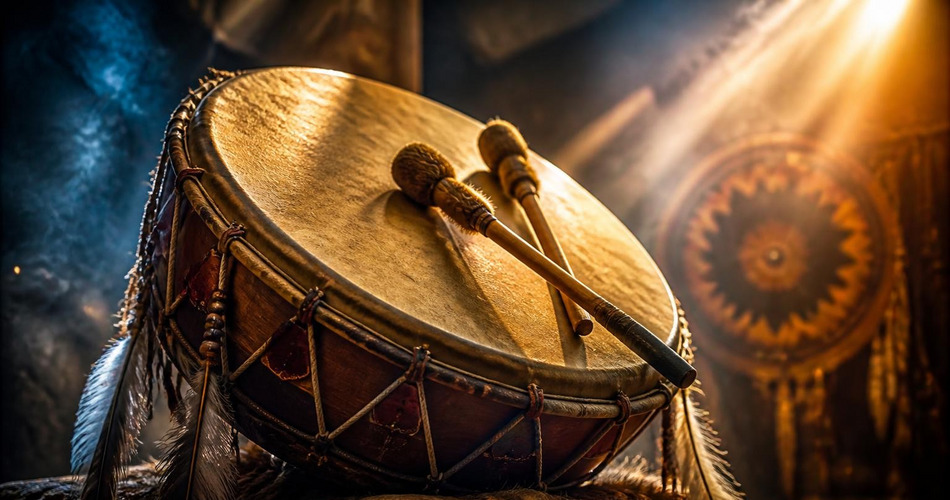
- Frame drum: A shamanic instrument, the frame drum symbolizes spiritual journeying and connection to the earth.
Frequently Asked Questions
Q: What does a drum symbolize in general?
A: The drum universally symbolizes rhythm, heartbeat, communication, and the cyclical nature of time. It is also associated with power, transformation, and community.
Q: What does it mean to dream of a drum?
A: Dreaming of a drum often relates to the pace of your life, a need for communication, or a call to action. The beat’s quality can indicate stability or chaos.
Q: Is the drum a spiritual instrument?
A: Yes, in many traditions the drum is used for meditation, shamanic journeying, and connecting with the divine. Its repetitive beat helps induce altered states of consciousness.
Q: What cultures use drums symbolically?
A: African, Native American, Asian, and European cultures all use drums symbolically for communication, ritual, warfare, and celebration.
Q: What does a drum tattoo mean?
A: A drum tattoo typically symbolizes a passion for music, cultural identity, strength, and the ability to set one’s own rhythm in life.
Related Symbols
- Heartbeat – The drum’s beat is often compared to the heart’s pulse, symbolizing life and vitality.
- Rhythm – The fundamental pattern of time and movement, embodied by the drum.
- Music – The drum is a foundational element of music, representing harmony and expression.
- War – Battle drums symbolize conflict, courage, and the call to arms.
- Ceremony – Drums are central to rituals, marking transitions and sacred events.