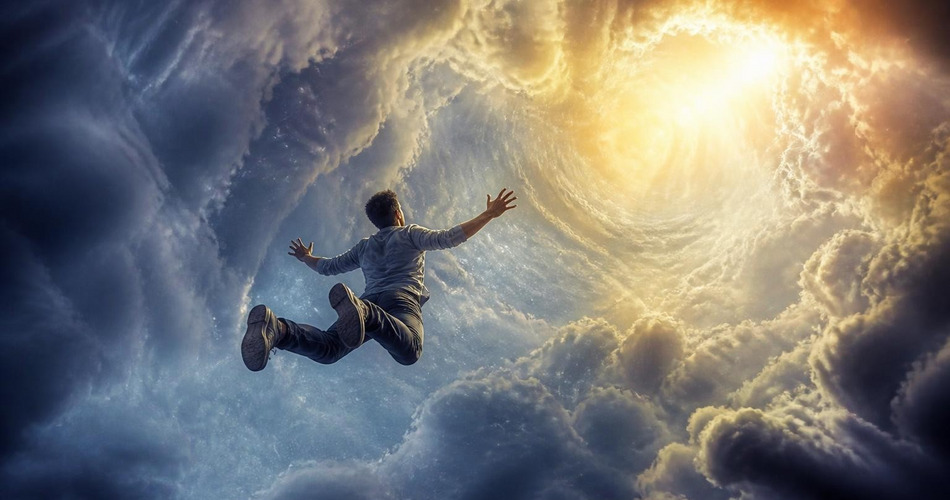
Briefly
Falling dreams are among the most common and universally reported dream experiences. They often symbolize a sense of losing control in waking life, whether over a situation, a relationship, or one’s own emotions. These dreams can also represent feelings of insecurity, failure, or being overwhelmed by responsibilities. However, not all falling dreams are negative; some may prompt personal growth or signal a release of old patterns.
What Does Falling Dream Symbolize?
At its core, a falling dream typically symbolizes a perceived threat to one’s stability or security. The sensation of falling often reflects a waking-life situation where the dreamer feels unsupported, anxious, or out of control. This can relate to work, finances, health, or relationships. The dream may highlight areas where the dreamer is avoiding a problem or feels powerless.
Another key symbolic layer is the idea of letting go. Falling might represent an unconscious need to release emotional baggage or surrender to forces beyond one’s control. In some interpretations, the fear of falling mirrors the fear of failure, while the act of falling itself can be a metaphor for accepting vulnerability. The intensity and duration of the fall in the dream can indicate the perceived severity of the waking-life issue.
Positive and Negative Meanings of Falling Dream
Positive associations: Falling dreams can act as a powerful wake-up call, prompting the dreamer to confront suppressed fears and make necessary changes. In psychological terms, the feeling of falling may stimulate growth by encouraging resilience and a reassessment of priorities. Some believe the dream can symbolize a liberating release from stress, leading to greater mental clarity and emotional renewal.
Negative meanings: More often, recurring falling dreams indicate underlying anxiety, insecurity, or a lack of confidence. They may signal a loss of stability in key areas such as career, relationships, or personal identity. The dream can also represent a fear of failure, rejection, or being judged. If the dreamer frequently experiences a sudden jolt upon landing, it may point to extreme stress or a sense of impending disaster.
History and Origins of Falling Dream Symbolism
The interpretation of falling dreams has a long history in both psychological and spiritual traditions. In ancient dream interpretation, falling was often linked to moral or social decline. Early records from Mesopotamian and Egyptian societies viewed such dreams as omens of misfortune or warnings from the gods. The Greek physician Artemidorus, in his second-century work Oneirocritica, described falling dreams as signs of loss—of status, wealth, or health. In the 20th century, psychoanalysts like Sigmund Freud and Carl Jung offered new frameworks. Freud saw falling as representing a fear of losing bodily control or succumbing to forbidden desires. Jung, however, interpreted falling as a symbol of the self’s descent into the unconscious, a necessary step in psychological integration and individuation.
Falling Dream Symbolism in Different Cultures
Various cultures have attached distinct meanings to falling dreams. In many African traditions, falling is thought to represent a disconnection from the ancestors or a warning against hubris. In Chinese dream folklore, a dream of falling often signals a fall in fortune or a warning to be cautious in business. Native American tribes sometimes viewed falling as a sign that the soul was journeying to the spirit world during sleep, especially if the fall ended with a sudden awakening. In Islamic dream interpretation, falling may reflect spiritual weakness or a need to return to religious practice. Across these traditions, the emotion felt during the fall—fear, surrender, or acceptance—modifies its meaning.
Spiritual Meaning of Falling Dream
In spiritual contexts, falling dreams are frequently interpreted as an invitation to confront ego or surrender to a higher power. The fall can symbolize a necessary ego death—the letting go of pride, control, or limiting beliefs. Many spiritual teachings view such dreams as a call to embrace humility and trust the process of life. From a New Age perspective, falling may indicate a shift in spiritual awakening, often preceding a period of growth or insight. The sensation of falling without landing can be seen as a state of transformation, where old structures dissolve to make way for new understanding. Some believe that consciously recognizing the dream and relaxing into the fall can lead to lucid dreaming or a more harmonious waking life.
Falling in Myths and Folklore
Falling appears in myths and folklore as a consequence of pride or hubris. The most well-known example is the Greek myth of Icarus, who flew too close to the sun on wax wings, only to fall into the sea when they melted. Here, falling symbolizes the disastrous outcome of overreaching ambition. In Norse mythology, the trickster god Loki’s fall from grace leads to his punishment, while the fall of the frost giants represents the overthrow of chaos by order. In Hindu mythology, the fall of the demon king Ravana from his palace is a central lesson in the Ramayana, signifying the downfall of arrogance. These stories use falling as a powerful metaphor for moral consequences and the fragility of human achievement.
Falling Dreams in Psychological Interpretation
In modern psychology, falling dreams are well-studied as expressions of anxiety and stress. Cognitive theories suggest the dream reflects the brain’s processing of threats during REM sleep, which often manifests as the sensation of falling. The hypnic jerk—an involuntary muscle twitch that sometimes accompanies falling dreams—is believed to be an evolutionary leftover that helped prevent falls in sleeping primates. Psychologists note that people who experience high levels of daily stress or who fear failure are more prone to such dreams. Recurring falling dreams may also indicate unresolved trauma or chronic worry, and addressing the root causes in waking life can reduce their frequency.
Common Falling Dream Scenarios
- Falling from a great height – often represents a major life change or fear of losing status; may also indicate a perceived loss of control over career or personal life.
- Falling into water – can symbolize an emotional crisis or a return to the subconscious; being submerged may indicate feeling overwhelmed by emotions.
- Falling and waking up before hitting the ground – very common; often linked to the dreamer’s avoidance of confronting a problem or feeling trapped in a situation.
- Falling slowly or helplessly – may reflect a sense of drifting without direction or a lack of agency in making decisions.
- Being pushed – can point to external pressures or relationships that are causing the dreamer to feel off balance.
In Superstitions and Omens
Falling dreams have been interpreted as portents in various folk beliefs. In some European superstitions, dreaming of falling was thought to indicate a forthcoming stroke of bad luck or an accident. Conversely, certain traditions considered it a positive omen if the dreamer landed safely, meaning they would overcome a current difficulty. In Japanese folklore, a falling dream was sometimes interpreted as a sign that the dreamer’s spirit was wandering and might not return, prompting a protective ritual. Modern superstitions often link the dream to financial reversal or a breakup, especially if the fall ends with a disruption like a loud noise or physical jerk.
Frequently Asked Questions
Q: What does it mean if I dream about falling but never hit the ground?
A: This is one of the most common variations and often signifies a prolonged period of uncertainty or anxiety in waking life. The lack of landing may indicate that the dreamer is avoiding a conclusion or feeling stuck in transition.
Q: Are falling dreams always negative?
A: Not necessarily. While they often reflect stress, they can also serve as a catalyst for positive change by forcing the dreamer to confront fears. Some see them as a call to let go of control and embrace the unknown.
Q: Why do I wake up with a jerk when I dream of falling?
A: The accompanying muscle jerk, known as a hypnic jerk, is a normal physiological response. It is thought to be an evolutionary defense mechanism that alerts the brain to a potential fall, even though no actual danger exists.
Q: Can falling dreams be prevented?
A: While not always preventable, reducing stress, practicing relaxation techniques before bed, and addressing underlying anxieties in waking life can lessen the frequency of falling dreams.
Related Symbols
- Flying dreams – often seen as the opposite symbol of falling, representing freedom, control, and transcendence.
- Dreams of drowning – related to feelings of being overwhelmed by emotions or circumstances.
- Sleep paralysis – sometimes involves a falling sensation and is linked to fear and helplessness.
- Icarus myth – cultural archetype of falling due to hubris or overreach.
- Hypnic jerk – the physical reflex that can accompany falling dreams.