Briefly
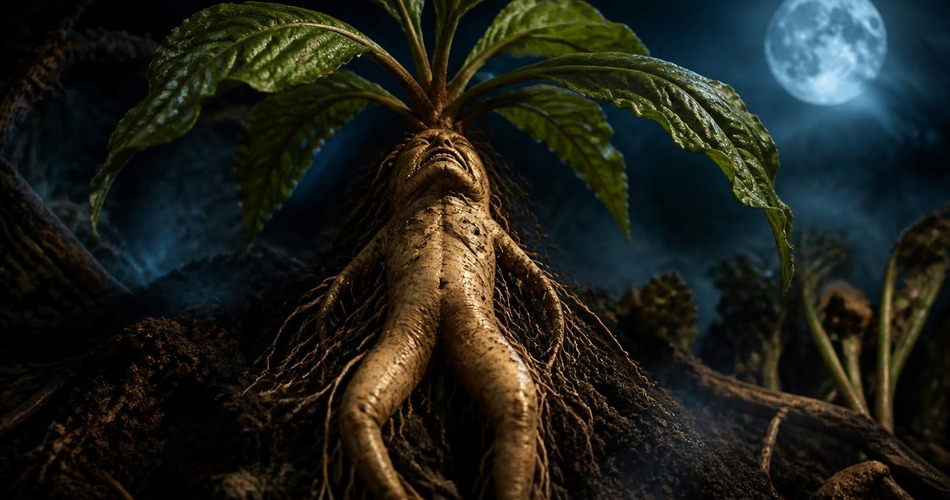
The mandrake is a perennial herb whose forked root often resembles a human figure, leading to centuries of symbolic associations with magic, fertility, and danger. In European folklore, it was believed to possess powerful protective and aphrodisiac qualities, but also to bring madness or death if mishandled. Its dual nature — both life-giving and deadly — makes it a potent symbol of transformation, hidden knowledge, and the thin boundary between healing and harm.
What Does Mandrake Symbolize?
The mandrake root’s human-like shape has made it a symbol of the human soul and the connection between the earthly and the divine. Across traditions, it represents fertility and sexual potency, as the root’s forked form suggests male and female anatomy. It is also a symbol of protection, often placed in homes or carried as an amulet to ward off evil spirits. At the same time, its toxic alkaloids give it a dark side, symbolizing danger, madness, and death. This paradox — a plant that can heal or harm — makes the mandrake a powerful emblem of nature’s duality.
Positive and Negative Meanings
Positive associations: The mandrake is linked to fertility, love, and sexual desire. In ancient rituals, it was used as an aphrodisiac and to promote conception. It also symbolizes protection, especially against negative energies and curses, and is seen as a bringer of good fortune and prosperity.
Negative meanings: Because of its toxic properties, the mandrake is associated with madness, poisoning, and death. Folklore warns that pulling the root from the ground causes a fatal scream, and that handling it carelessly can lead to insanity. It also represents deception and hidden danger, as its appealing human shape conceals a poisonous nature.
History and Origins of Mandrake Symbolism
The mandrake’s symbolic roots stretch back to ancient times. In the Bible, the mandrake (Hebrew dudaim) is mentioned in the Book of Genesis as a fertility aid used by Rachel and Leah. The ancient Greeks and Romans also valued it: the physician Dioscorides described its medicinal uses, while the naturalist Pliny the Elder noted its magical properties. In medieval Europe, the mandrake became central to witchcraft and folk magic, often harvested under specific lunar phases with elaborate rituals to avoid its deadly scream. The plant’s anthropomorphic root fueled beliefs that it could grant wishes, reveal hidden treasures, or serve as a talisman for love and protection.
Mandrake Symbolism in Different Cultures
In Jewish tradition, the mandrake is associated with fertility and love, as seen in the biblical story of Rachel and Leah. In Greco-Roman culture, it was used in love potions and as an anesthetic in surgery. Arab and Persian herbalists also employed mandrake for its narcotic and aphrodisiac properties, often calling it “the devil’s apple.” In European folklore, the mandrake was considered a witch’s plant, used in spells for protection, wealth, and seduction. In Chinese folk medicine, a similar plant called ren shen (ginseng) shares the mandrake’s human-like root symbolism, though ginseng is valued primarily for vitality rather than magic.
Spiritual Meaning of Mandrake
Spiritually, the mandrake represents the union of opposites: life and death, male and female, earthly and divine. It is often seen as a gateway between worlds, used in rituals to contact spirits or gain hidden knowledge. Its root is believed to amplify intention, making it a tool for manifestation and protection. In modern pagan and Wiccan practices, mandrake is still used as a sacred herb for consecration, divination, and spellwork, though its toxicity demands extreme caution.
Mandrake in Myths and Folklore
The most famous myth about the mandrake is that it grows from the urine of a hanged man and screams when pulled from the earth, killing anyone who hears it. This belief appears in medieval grimoires and is referenced in Shakespeare’s Romeo and Juliet (“Shrieks like mandrakes’ torn out of the earth”). In Germanic folklore, the mandrake was called the Alraun and was kept as a household spirit that brought wealth. In Celtic myth, it was linked to the underworld and used by druids for prophecy. The mandrake also appears in the Arabian Nights as an ingredient in magical potions.
Mandrake in Dreams
Dreaming of a mandrake often reflects themes of hidden knowledge, sexual desire, or fear of danger. Because the plant is both alluring and toxic, it may symbolize a tempting but risky situation in waking life. Seeing a mandrake root in a dream can indicate a need for protection or a warning about someone who appears friendly but is actually harmful. The dream may also point to fertility issues or a desire for children.
Common Mandrake Dream Scenarios
- Pulling a mandrake from the ground: Represents confronting a hidden truth or taking a dangerous risk. The scream in the dream may symbolize the emotional impact of the revelation.
- Holding a mandrake root: Suggests you are in possession of a powerful but dangerous secret or ability. It can also indicate a strong sexual attraction.
- A mandrake growing in your garden: Symbolizes a situation that appears natural and safe but carries hidden dangers. It may also point to fertility or creative potential.
- Eating or drinking mandrake: Warns against being seduced by something that promises pleasure but leads to harm. It can also represent a healing process that involves pain.
Mandrake in Superstitions and Omens
In European superstition, the mandrake was both a good luck charm and a dangerous omen. Carrying a mandrake root was believed to protect against evil spirits, bring wealth, and ensure love. However, if the root was stolen or mishandled, it could bring misfortune. Farmers believed that mandrake grew only under gallows, making it a symbol of death and rebirth. In some traditions, the plant was used to detect witches or to break curses. Its scream was considered an omen of death, and it was said that anyone who heard it would go mad.
Mandrake in Art and Literature
The mandrake appears in numerous literary works. In Shakespeare’s Romeo and Juliet, Juliet’s nurse compares the shrieks of mandrakes to the cries of the dead. In John Webster’s The Duchess of Malfi, the Duchess speaks of mandrake as a symbol of poison and deceit. The mandrake is central to the plot of J.K. Rowling’s Harry Potter and the Chamber of Secrets, where the restorative mandrake draught is used to cure petrified students, and the plant’s scream is depicted as deadly. In visual art, mandrake roots were often illustrated in medieval herbals as humanoid figures, and the plant appears in the paintings of Hieronymus Bosch as a symbol of temptation and evil.
Mandrake Tattoo Meaning
A mandrake tattoo often symbolizes protection, fertility, or a connection to ancient magic. The humanoid root is a popular design in neo-traditional and occult tattoo styles, representing the duality of life and death. It can also signify a person’s interest in herbalism, witchcraft, or folklore. Because of its association with danger, the mandrake tattoo may be chosen by those who embrace risk or have overcome a life-threatening situation.
Meanings of Different Mandrake Types or Colors
Mandrake roots vary in shape and size, but the most significant distinction is between male and female forms. The male root (often called Mandragora officinarum) has a forked shape resembling a man’s legs, while the female root (Mandragora autumnalis) has a more rounded, woman-like form. In folklore, the male root was used for love spells and protection, while the female root was associated with fertility and childbirth. The root’s color — ranging from pale yellow to dark brown — does not carry specific symbolic meaning, but darker roots were sometimes considered more potent in magic.
Frequently Asked Questions About Mandrake
Q: Is the mandrake really dangerous?
A: Yes, all parts of the mandrake plant contain toxic alkaloids such as hyoscyamine and scopolamine, which can cause delirium, hallucinations, and even death if ingested in large quantities.
Q: Why does the mandrake scream in folklore?
A: The scream myth likely originated from the plant’s toxic effects and the dangerous process of harvesting it. The root’s human shape made people believe it was a sentient being that cried out when uprooted.
Q: Can mandrake be used in modern magic?
A: Yes, but with extreme caution. Modern practitioners use dried mandrake root in protective amulets, fertility spells, and rituals for prosperity, always handling it with gloves and never ingesting it.
Q: Is mandrake mentioned in the Bible?
A: Yes, in Genesis 30:14-16, Rachel trades her sister Leah for mandrakes, believing they will help her conceive. This passage cemented the mandrake’s association with fertility in Western culture.
Related Symbols
- Ginseng – Another humanoid root valued for vitality and healing
- Belladonna – A toxic plant used in witchcraft and medicine
- Alraun – The Germanic name for mandrake as a household spirit
- Mayapple – A North American plant with similar medicinal and toxic properties
- Witch’s herb – General category of plants used in magical practices