Briefly
The lamp is a powerful symbol of light, knowledge, and guidance across cultures and eras. As a man-made source of illumination, it represents the triumph of truth over darkness, the pursuit of wisdom, and the presence of hope. Lamps appear in religious rituals, folklore, art, and everyday life, often carrying meanings of enlightenment, vigilance, and spiritual presence. While primarily positive, the lamp can also symbolize deception or false comfort when its light is misleading or artificial.
What Does Lamp Symbolize?
The lamp universally symbolizes illumination — both physical and metaphorical. It stands for knowledge, truth, clarity, and the dispelling of ignorance. In many traditions, the lamp is a guide for the lost, a beacon of hope in darkness, and a sign of divine presence. It also represents vigilance and watchfulness, as a lamp kept burning through the night suggests alertness and perseverance. Additionally, the lamp can symbolize life itself, especially in the form of an eternal flame or oil lamp that must be tended continuously.
Positive and Negative Meanings of Lamp
Positive associations: The lamp is overwhelmingly seen as a positive symbol. It represents enlightenment, wisdom, hope, and spiritual awakening. A lamp guides travelers, illuminates hidden truths, and brings warmth and comfort. In religious contexts, it signifies the divine light that leads believers toward righteousness and salvation. The lamp also symbolizes purity, as its flame can purify and its light can reveal what is hidden.
Negative meanings: In some contexts, the lamp can carry negative connotations. A flickering or dying lamp may symbolize uncertainty, fading hope, or approaching death. A lamp that is too bright can blind or overwhelm, representing false knowledge or deceptive illumination. In folklore, misleading lights like will-o’-the-wisps lead travelers astray, associating the lamp with trickery and danger. An oil lamp that runs dry can symbolize exhaustion or the end of life’s journey.
History and Origins of Lamp Symbolism
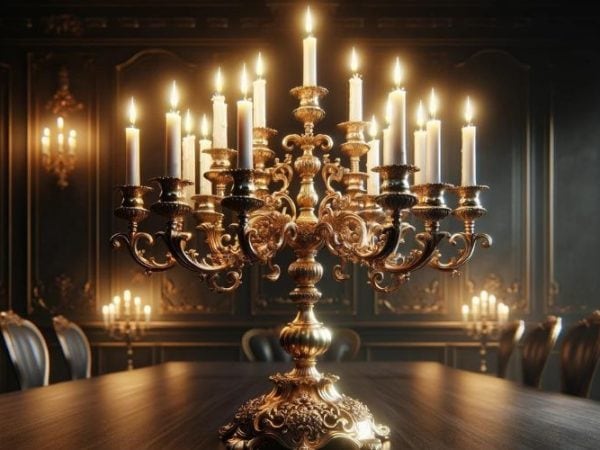
The lamp has been a symbol since ancient times, when oil lamps were the primary source of artificial light. Early lamps were simple vessels with a wick, fueled by animal fat or vegetable oil. In many cultures, the lamp was not just a practical tool but a sacred object. Ancient Egyptians used lamps in temple rituals to represent the sun god Ra. The Greeks and Romans placed lamps in tombs to light the way for the dead. The Jewish menorah, a seven-branched lamp, dates back to the Tabernacle and symbolizes divine wisdom. In Christianity, the lamp appears in parables such as the Wise and Foolish Virgins, representing readiness and spiritual vigilance. The development of the electric lamp in the 19th century shifted the symbol from flame to steady, controllable light, but the core meanings of guidance and knowledge remained.
Lamp Symbolism in Different Cultures
In Hinduism, the lamp (diya) is central to festivals like Diwali, where rows of lamps are lit to symbolize the victory of light over darkness and good over evil. The lamp is also used in daily worship (aarti) to honor deities. In Buddhism, offering lamps is a common practice that represents the illumination of wisdom and the dispelling of ignorance. Butter lamps are used in Tibetan Buddhist rituals. In Christianity, the lamp symbolizes Christ as the “Light of the World” and the believer’s role as a light to others. The parable of the ten virgins emphasizes keeping one’s lamp filled with oil as a metaphor for spiritual readiness. In Judaism, the menorah lampstand in the Temple represents divine light and knowledge. The Hanukkah menorah commemorates the miracle of the oil that burned for eight days. In Islam, the lamp appears in the Quranic “Verse of Light” (Surah 24:35), where Allah is described as the light of the heavens and the earth, often depicted as a lamp in a niche. In Chinese culture, lanterns (a type of lamp) are used during festivals to symbolize good fortune, family reunion, and the driving away of evil spirits.
Spiritual Meaning of Lamp
Spiritually, the lamp represents the inner light of the soul, divine presence, and the quest for truth. In many traditions, lighting a lamp is an act of prayer or meditation, inviting higher wisdom and clearing away mental darkness. The lamp is often used in spiritual ceremonies to symbolize the presence of the divine or the enlightened mind. In yoga and meditation, the image of a steady flame is used to focus the mind and represent the unchanging self. The lamp also signifies the eternal nature of the spirit — even when the oil runs low, the flame can be rekindled, symbolizing rebirth and continuity.
Lamp in Myths and Folklore
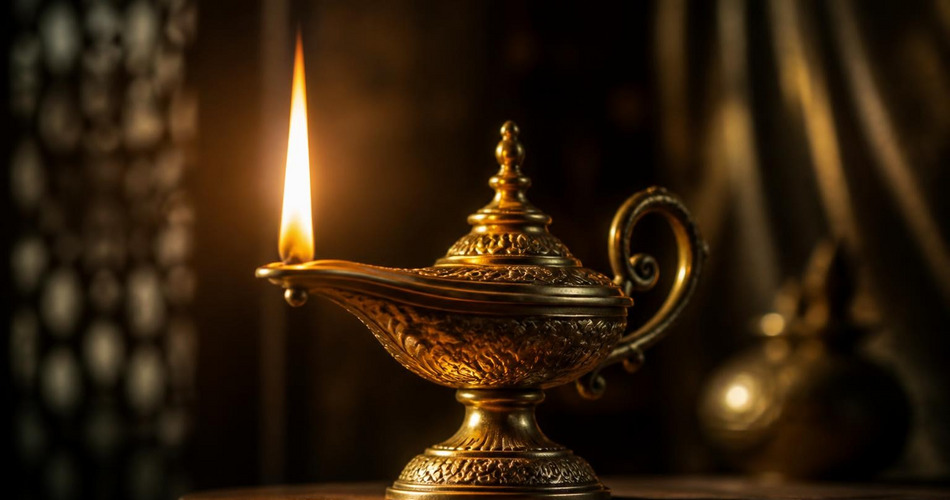
One of the most famous mythical lamps is Aladdin’s magic lamp from the Arabian Nights, which contains a genie who grants wishes. This lamp symbolizes hidden power, opportunity, and the ability to transform one’s circumstances. In European folklore, the will-o’-the-wisp is a ghostly light that lures travelers into dangerous swamps, representing deceptive hope or false guidance. In Greek mythology, the lamp of Prometheus (often conflated with fire) brought knowledge and civilization to humanity, though it came at a cost. In many folk traditions, a lamp left burning at a window is a sign of welcome or a guide for the dead. The eternal flame, kept alight in tombs and memorials, symbolizes the undying memory of the deceased.
Lamp in Dreams
Dreaming of a lamp often relates to insight, clarity, and the search for truth. A lit lamp in a dream can indicate that the dreamer is gaining understanding or that a solution to a problem is near. It may also represent guidance from a higher power or one’s own inner wisdom. A lamp that is dim or flickering might suggest confusion, doubt, or a need to renew one’s spiritual energy. An extinguished lamp can symbolize loss of hope, the end of a phase, or a warning to pay attention to neglected aspects of life. The context of the lamp — its location, brightness, and condition — provides further clues.
Common Lamp Dream Scenarios
- Lighting a lamp: Symbolizes taking action to illuminate a situation, gaining new knowledge, or beginning a spiritual practice.
- A lamp going out: May represent the end of a relationship, loss of faith, or a period of darkness and uncertainty.
- Holding a lamp: Suggests personal responsibility for guiding others or for one’s own path.
- A broken lamp: Indicates shattered illusions, failed plans, or a need to repair something in your life.
- Many lamps: Can signify abundance of ideas, multiple opportunities, or a community of enlightened people.
Lamp in Superstitions and Omens
In various folk traditions, lamps are associated with omens. A lamp that flickers for no reason is sometimes seen as a sign of a ghostly presence or an impending death. If a lamp goes out suddenly, it may be considered a bad omen, especially in a sickroom. In some cultures, it is unlucky to leave a lamp burning in an empty room, as it might attract spirits. Conversely, lighting a lamp at dusk is thought to ward off evil spirits and bring protection to the home. In maritime traditions, a lamp on a ship is a protective symbol against storms and misfortune. The superstition of “lamp oil” being used in love spells or protective charms is also common in folk magic.
Lamp in Art and Literature
The lamp appears in numerous works of art and literature as a symbol of enlightenment, hope, and revelation. In William Holman Hunt’s painting “The Light of the World” (1851–1853), Christ is depicted holding a lantern, symbolizing his role as the bringer of spiritual light. The painting is based on the biblical verse “I am the light of the world.” In literature, George Bernard Shaw’s play “Saint Joan” uses the image of a lamp to represent Joan’s inner conviction and divine guidance. Henry Wadsworth Longfellow’s poem “The Lamp” uses the lamp as a metaphor for the poet’s soul that burns steadily through the night. In F. Scott Fitzgerald’s “The Great Gatsby”, the green light at the end of Daisy’s dock is a kind of lamp that symbolizes Gatsby’s hope and longing. The lamp is also central to the children’s story “The Little Lame Prince” by Dinah Mulock Craik, where a magical lamp helps the prince see the world. In film, the lamp is a recurring motif in noir cinema, often casting shadows that reflect moral ambiguity.
Lamp Tattoo Meaning
A lamp tattoo often symbolizes enlightenment, knowledge, guidance, and hope. It can represent a personal journey from darkness to light, or a commitment to seeking truth. A traditional oil lamp tattoo may evoke nostalgia, heritage, or spiritual devotion. A lantern tattoo, a type of lamp, is popular among travelers and signifies guidance through life’s uncertainties. Some people choose a lamp tattoo to honor a loved one who was a “light” in their life, or to commemorate overcoming a difficult period. The design can vary from simple outlines to elaborate depictions with flames, smoke, or surrounding light rays.
Meanings of Different Lamp Types and Colors
- Oil lamp: Represents tradition, ancient wisdom, and the need for constant tending. Often associated with religious rituals and the eternal flame.
- Lantern: Symbolizes guidance, protection, and the journey of life. A lantern carried by hand suggests personal responsibility for one’s path.
- Electric lamp: Reflects modern convenience, steady illumination, and the control of light. May symbolize technological progress and the clarity of rational thought.
- Colored lamps: Red lamp can signify passion or warning; blue lamp suggests calm, truth, or spirituality; green lamp represents growth, hope, or money; yellow lamp indicates intellect and clarity; white lamp stands for purity and divine light.
Frequently Asked Questions about Lamp
Q: What does a lamp symbolize in the Bible?
A: In the Bible, the lamp often symbolizes God’s word, guidance, and the presence of the Holy Spirit. The menorah in the Tabernacle represents divine light, and Jesus is called the “Light of the World.”
Q: Is a lamp a good luck symbol?
A: Generally yes, especially in cultures where lighting lamps is part of festivals and rituals. A lit lamp is considered auspicious and protective, while an extinguished lamp may be seen as unlucky.
Q: What does it mean when you dream of a lamp?
A: Dreaming of a lamp typically relates to gaining insight, finding direction, or experiencing spiritual awakening. The condition of the lamp provides additional meaning.
Q: What is the spiritual significance of lighting a lamp?
A: Lighting a lamp is a common spiritual practice that symbolizes dispelling ignorance, inviting divine presence, and focusing the mind during prayer or meditation.
Related Symbols
- Candle: Similar symbolism of light, hope, and spiritual presence, but more intimate and perishable.
- Sun: The ultimate source of light, representing life, power, and truth.
- Torch: Symbol of enlightenment, freedom, and the Olympic spirit; often carried as a beacon.
- Star: Represents guidance, hope, and divine light, especially the Star of Bethlehem.
- Fire: The element that powers many lamps; symbolizes transformation, passion, and purification.