Briefly
A charm is a small object believed to bring good luck, ward off evil, or carry personal meaning. Throughout history, charms have been worn as jewelry, carried as talismans, or kept in homes to attract positive energy and repel harm. Their symbolism blends protection, superstition, and individual identity, making them both decorative and deeply significant.
What Does Charm Symbolize?
Charms symbolize protection, luck, and personal intention. As portable objects of power, they often represent a wish for safety, health, or success. In many traditions, a charm is not just an ornament but a vessel for spiritual or emotional energy, connecting the wearer to a desired outcome or a loved one.
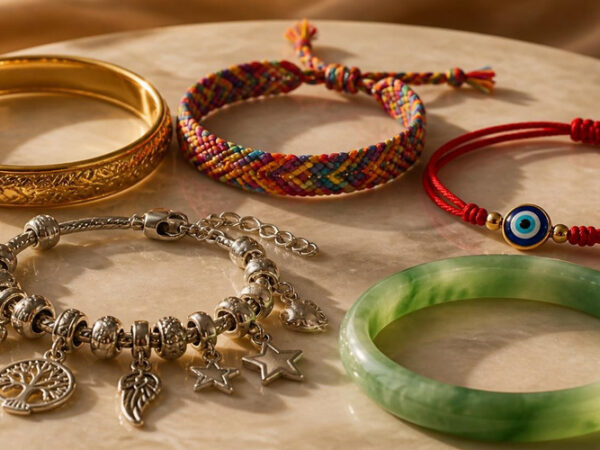
The symbolism of a charm can vary widely depending on its shape, material, and cultural context. Common symbolic meanings include safeguarding against misfortune, attracting prosperity, fostering love, and commemorating milestones. A charm bracelet, for example, becomes a timeline of memories, each charm representing a significant event or aspiration.
Positive and Negative Meanings
Positive associations: Charms are overwhelmingly linked to optimism and hope. They are seen as tools for manifesting good fortune, strengthening personal resolve, and creating a sense of security. A lucky charm can boost confidence and provide comfort in uncertain times, acting as a tangible reminder of one’s goals or beliefs.
Negative meanings: In some contexts, charms can be viewed with suspicion, especially when associated with superstition or occult practices. Over-reliance on a charm may be seen as a crutch that undermines personal agency. Additionally, charms intended to harm others—often called curses or hexes—carry dark connotations, though such uses are rare in mainstream charm culture.
History and Origins of Charm Symbolism
The use of charms dates back to prehistoric times, when early humans wore animal teeth, bones, or stones as protective amulets. Ancient Egyptians created scarab charms for rebirth and protection, while Greeks and Romans carried engraved gemstones for health and victory. In medieval Europe, charms were often inscribed with religious symbols or prayers to ward off plague and evil spirits.
The charm bracelet as we know it became popular in the Victorian era, when Queen Victoria wore a bracelet with small lockets containing family portraits. By the 20th century, charm bracelets became a global trend, with each charm representing a personal memory or achievement. Today, charms remain a versatile symbol of individuality and belief.
Symbolism in Different Cultures
In many cultures, charms are deeply embedded in daily life. In East Asian traditions, the maneki-neko (beckoning cat) charm is believed to bring good fortune and prosperity to businesses. In Latin America, the azabache (black jet stone) charm is worn by infants to protect against the evil eye. In Celtic cultures, the claddagh ring serves as a charm for love and friendship.
Islamic cultures often use charms inscribed with verses from the Quran for protection, while Hindu traditions employ yantras and rudraksha beads as spiritual charms. In African diaspora religions, gris-gris bags containing herbs and objects are carried as charms for various purposes. Each culture adapts the charm to its own spiritual and social needs, yet the core symbolism of protection and intention remains universal.
Spiritual Meaning of Charm
Spiritually, a charm is often seen as a conduit for divine or natural energies. Many people choose charms based on the symbolic properties of their materials—crystals for healing, silver for purity, or wood for grounding. The act of selecting or receiving a charm can be a meditative practice, focusing the mind on a specific intention.
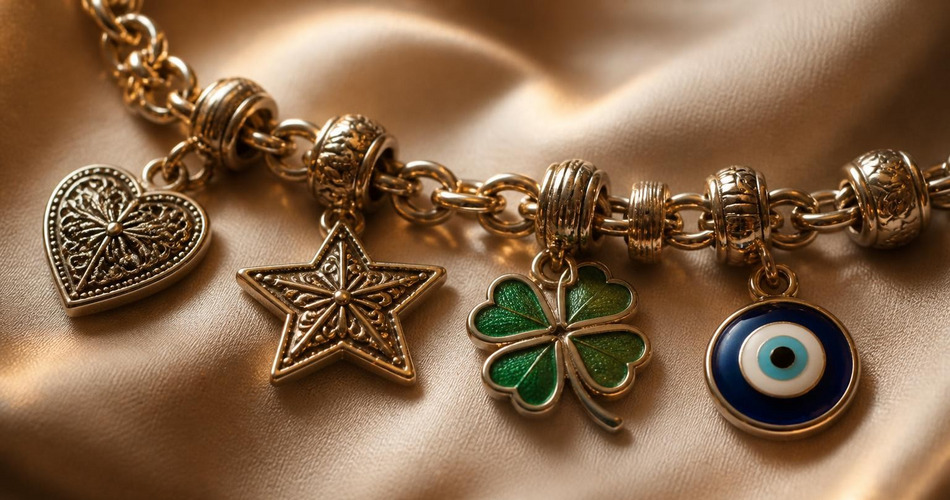
In New Age spirituality, charms are used in rituals for manifestation, with each charm representing a desired outcome. For example, a four-leaf clover charm symbolizes luck, while a heart charm attracts love. The charm is believed to amplify the wearer’s own energy and align it with the universe, serving as a constant reminder of their spiritual path.
In Superstitions and Omens
Charms are central to many superstitions worldwide. Common beliefs include:
- A rabbit’s foot charm brings good luck, especially in gambling or travel.
- A horseshoe charm hung above a door protects the home from evil spirits.
- An evil eye charm (nazar) deflects jealousy and harm.
- A four-leaf clover charm is a rare find that guarantees good fortune.
- Breaking a charm or losing it is sometimes seen as an omen that the protection has been used up.
These superstitions often stem from ancient practices of apotropaic magic—using objects to avert evil. While modern society may view them as quaint, many people still carry or display charms for comfort and tradition.
Charm in Art and Literature
Charms appear in numerous works of art and literature as symbols of power, protection, or transformation. In J.K. Rowling’s Harry Potter series, magical charms are spells, but physical charms like the Horcruxes serve as dark protective objects. In L. Frank Baum’s The Wonderful Wizard of Oz, the ruby slippers are a charm that ultimately returns Dorothy home.
In visual art, charm bracelets are often depicted in portraits to signify the subject’s life story or social status. For example, Victorian paintings sometimes show women wearing charm bracelets as tokens of love and memory. In contemporary jewelry design, charms remain a popular motif for expressing identity and belief.
Meanings of Different Types, Colors, or Variations
Charms come in countless forms, each with its own symbolism:
- Heart charm: love, affection, emotional connection.
- Star charm: hope, guidance, ambition.
- Cross charm: faith, protection, Christian devotion.
- Animal charms: specific traits (e.g., elephant for wisdom, owl for knowledge).
- Initial or letter charms: personal identity, remembrance.
- Color of charm materials: red for energy, blue for calm, green for growth.
Materials also carry meaning: silver charms are associated with intuition and reflection, gold with wealth and status, and natural stones with healing properties. The choice of charm often reflects the wearer’s personality, beliefs, or current life phase.
Frequently Asked Questions
Q: What is the difference between a charm and a talisman?
A: While often used interchangeably, a charm is typically a small object worn for luck or protection, whereas a talisman is specifically created to attract a particular outcome, such as love or success.
Q: Can a charm lose its power?
A: In many traditions, a charm’s power is believed to diminish if it is broken, lost, or given away without intention. Some cultures recommend recharging charms through sunlight, moonlight, or ritual cleansing.
Q: Are charms only for superstition?
A: No. Many people wear charms as sentimental keepsakes or fashion statements without believing in supernatural powers. The symbolism can be purely personal or aesthetic.
Related Symbols
- Amulet – a protective charm, often worn on the body.
- Talisman – an object charged with specific magical intent.
- Locket – a charm-like pendant holding a photograph or memento.
- Evil Eye – a common charm symbol for protection against envy.
- Four-Leaf Clover – a natural charm representing luck.