Briefly
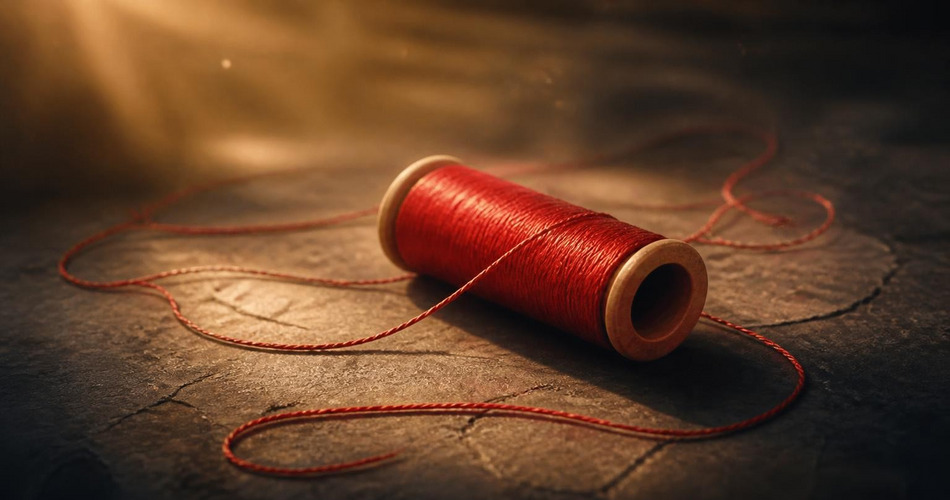
The red thread is a powerful symbol of connection, destiny, and protection found in various cultures around the world. In Chinese folklore, it represents the invisible bond that ties soulmates together, while in Jewish Kabbalistic tradition, a red string is worn to ward off evil and bring good fortune. Across different contexts, the red thread signifies a link between people, between the physical and spiritual realms, and serves as a talisman for safety and blessing.
What Does Red Thread Symbolize?
The red thread primarily symbolizes destiny and connection. In Chinese mythology, the “red thread of fate” is an invisible cord that connects two people destined to meet, regardless of time, place, or circumstances. It represents an unbreakable bond that transcends obstacles. In Jewish tradition, the red string (often worn on the wrist) symbolizes protection from negative energies, envy, and harm. The color red itself is associated with life force, vitality, and warding off evil in many cultures, so the red thread combines the protective power of the color with the binding quality of a thread.
Additionally, the red thread can symbolize love, marriage, and family ties. It is used in wedding ceremonies in some cultures to bind the couple’s hands, representing their union. In shamanic and spiritual practices, red threads may be used in rituals to connect with ancestors or spirit guides.
Positive and Negative Meanings
Positive associations: The red thread is overwhelmingly seen as a positive symbol. It represents fate bringing people together, protective blessings, good luck, and spiritual connection. Wearing a red string is believed to attract positive energy and shield the wearer from harm.
Negative meanings: In some interpretations, the red thread can also represent an inescapable fate or destiny that one cannot change, which may feel restrictive. If the thread breaks, it can be seen as an omen of a severed connection or a warning. However, these negative aspects are less emphasized in mainstream symbolism.
History and Origins of the Symbolism
The concept of a red thread of fate originates from Chinese folklore, recorded in texts like the “Yue Lao” (Old Man Under the Moon) stories. According to legend, the god Yue Lao ties a red thread around the ankles of two people who are destined to be married, and no matter how far apart they are, they will eventually find each other. This belief dates back to at least the Tang dynasty.
In Jewish tradition, the red string (roite bendel) is associated with the tomb of Rachel in Bethlehem. It is said that winding a red thread around Rachel’s tomb and then wearing it as a bracelet brings protection and merit. This practice became popular in Kabbalistic circles and is now widespread.
Other cultures also have traditions involving red threads: in some Hindu ceremonies, a red thread (kalava) is tied around the wrist during rituals for protection; in Greek folk magic, red threads are used to ward off the evil eye.
Symbolism in Different Cultures
Chinese culture: The red thread of fate is one of the most enduring symbols of love and destiny. It is often depicted in art and literature as a thin red cord that connects two people, emphasizing that true love is fated and cannot be broken by external forces.
Jewish culture: The red string (often worn on the left wrist) is a Kabbalistic amulet against the evil eye (ayin hara). It is tied with seven knots while reciting prayers, and it is believed to absorb negative energies. Many people wear it for protection and good luck.
Hinduism: A red thread (sometimes called a mauli or kalava) is tied on the wrist during religious ceremonies, such as weddings and festivals. It symbolizes the blessing of the gods and protection. In some regions, it is also used to tie the bride’s and groom’s hands during the wedding.
Greek and Mediterranean cultures: Red threads are often used as protective charms against the evil eye. They may be tied around the wrist, ankle, or neck, sometimes with a blue bead.
Spiritual Meaning
Spiritually, the red thread is seen as a conduit for divine connection. In Kabbalah, the red string is linked to the protective energy of Rachel, a matriarch who represents compassion and safeguarding. Wearing it is a way to draw upon that spiritual protection. In Chinese spirituality, the red thread connects souls across lifetimes, suggesting that relationships are guided by a higher power. The thread also represents the interconnectedness of all beings, a reminder that we are all linked by invisible threads of fate and energy.
In Myths and Folklore
The most famous myth is the Chinese legend of the red thread of fate. The story tells of a matchmaker god, Yue Lao, who ties a red thread around the ankles of two people who are destined to be together. No matter how far apart or how many obstacles they face, they will eventually meet and marry. This myth appears in many Chinese folktales and is often referenced in modern media.
In Jewish folklore, the red string is associated with the tomb of Rachel. It is said that when a red thread is wound around Rachel’s tomb, it absorbs her protective qualities. The thread is then cut and worn as a bracelet. This practice is rooted in the belief that Rachel, as a mother figure, protects her children from harm.
In Superstitions and Omens
- Wearing a red string on the left wrist is believed to ward off the evil eye and bring good luck in many cultures, especially in Jewish and Mediterranean traditions.
- If the red thread breaks, it is sometimes interpreted as a sign that it has absorbed negative energy and protected the wearer, so it should be replaced.
- In some superstitions, a red thread tied around a baby’s wrist or ankle protects the child from harm.
- In Chinese tradition, the red thread is often used in weddings to symbolize the couple’s fated union; if the thread is lost or broken before the wedding, it may be seen as an ill omen.
In Art and Literature
The red thread of fate appears in numerous works of art and literature. In Chinese literature, the concept is central to the Tang dynasty story “The Tale of the Red Thread” (also known as “The Story of the Red Thread”). In modern times, the symbol has been used in films such as “The Red Thread” (2016) and in novels like “The Red Thread of Fate” by various authors. In visual art, the red thread is often depicted as a delicate cord connecting two figures, symbolizing their destined relationship. The symbol has also been adopted in Western contexts, appearing in poetry and songs about fate and love.
Tattoo Meaning
Red thread tattoos are popular as symbols of eternal connection and fate. Many people get a red thread tattoo to represent a soulmate, a family bond, or a friendship that is meant to last. The design often includes a thin red line that may wrap around a finger, wrist, or ankle, sometimes with a heart or knot. In Chinese-inspired tattoos, the red thread may be depicted with a lock or a knot to emphasize the unbreakable nature of the bond. The tattoo can also serve as a protective talisman.
Meanings of Different Types, Colors, or Variations
- Red string bracelet: The most common form, worn for protection and good luck. Often tied with seven knots.
- Red thread with a bead: Adding a bead (often blue or gold) can enhance the protective qualities or add a specific intention, such as health or wealth.
- Red thread in wedding ceremonies: Used to bind the hands of the couple, symbolizing their union and fated connection.
- Red thread around a tree or object: In some folk practices, red thread is tied around trees or sacred objects to mark them as protected or to make a wish.
- Different colors: While red is the most common, other colors like black or yellow may be used for different purposes (e.g., black for protection against negative energy, yellow for success). However, the red thread specifically carries the strongest associations with fate and protection.
Frequently Asked Questions
Q: What does a red thread bracelet symbolize?
A: A red thread bracelet symbolizes protection from evil, good luck, and connection to spiritual energy. In Kabbalah, it is worn to ward off the evil eye.
Q: Is the red thread of fate a real belief?
A: It is a traditional belief in Chinese folklore that an invisible red thread connects soulmates. Many people still embrace it as a romantic symbol.
Q: Which wrist should you wear a red string on?
A: In Kabbalistic tradition, the red string is worn on the left wrist, as the left side is considered the receiving side of the body. In other cultures, either wrist may be used.
Q: What happens if your red thread breaks?
A: It is often believed that the thread has absorbed negative energy and protected you, so it should be replaced with a new one.
Related Symbols
- Evil Eye: The red thread is often used as a protective charm against the evil eye.
- Wedding Cord: In some cultures, a cord or thread is used to bind the couple during the ceremony.
- Fate: The red thread is a direct symbol of fate and destiny.
- Protection Symbols: Such as the Hamsa hand or Nazar amulet, often combined with red thread.
- Knots: The tying of knots in the red thread symbolizes binding and securing intentions.