Briefly
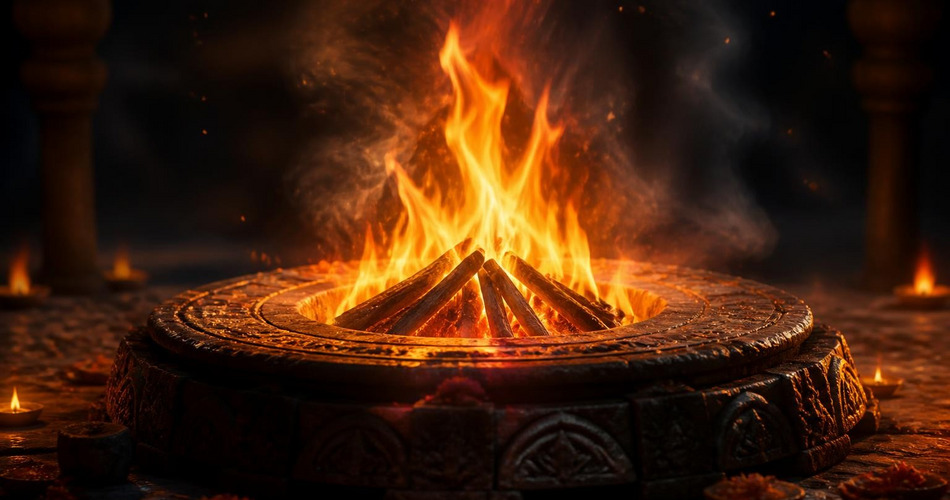
Sacred fire is one of humanity’s oldest and most universal symbols, representing purification, transformation, and the presence of the divine. Across cultures and spiritual traditions, fire is revered as a source of life, energy, and renewal, while also embodying destruction and danger. Its dual nature makes it a powerful emblem of both creation and annihilation, often used in rituals to cleanse, consecrate, or communicate with higher powers.
What Does Sacred Fire Symbolize?
Sacred fire symbolizes a range of profound concepts, most notably purification. Fire consumes impurities, making it a natural metaphor for spiritual cleansing and the burning away of negative influences. It also represents transformation, as fire changes matter from one state to another—wood to ash, raw ingredients to cooked food—mirroring personal and spiritual metamorphosis. Additionally, sacred fire is a symbol of divine presence and illumination, offering guidance and wisdom in darkness. In many traditions, it embodies life energy and the eternal cycle of death and rebirth.
Positive and Negative Meanings of Sacred Fire
Positive associations: Sacred fire is widely seen as a force for good—purifying spaces and individuals, providing warmth and light, and serving as a medium for prayer and offerings. It symbolizes renewal, hope, and the spark of life itself. In rituals, it facilitates connection with the divine and fosters community.
Negative meanings: Fire also carries destructive potential. Uncontrolled flames represent chaos, danger, and loss. In symbolic terms, sacred fire can warn against unchecked passion, anger, or greed—emotions that consume like wildfire. Its capacity to destroy homes, forests, and lives reminds us of nature’s raw power and the need for respect.
History and Origins of Sacred Fire Symbolism
The reverence for sacred fire dates back to prehistoric times when early humans learned to control fire for survival. Archaeological evidence suggests that fire was used in ritual contexts as early as the Paleolithic era. In ancient civilizations, fire became central to religious practice. The Zoroastrians of Persia maintained eternal flames in their temples as symbols of truth and purity. In Vedic India, the god Agni personified fire and served as a mediator between humans and gods, receiving offerings in sacrificial fires. The Greeks kept a perpetual flame at the hearth of Hestia, goddess of the home, and at the sanctuary of Apollo at Delphi. The Romans also maintained a sacred fire tended by the Vestal Virgins. These traditions established fire as a bridge between the mortal and the divine.
Sacred Fire Symbolism in Different Cultures
In Zoroastrianism, fire is the visible representation of Asha (truth and order) and is central to worship. Zoroastrian fire temples house an eternal flame that is never extinguished, symbolizing the light of wisdom and the presence of Ahura Mazda. In Hinduism, the fire ritual (yajna) is a key religious act; offerings are made into the fire to reach the gods. The god Agni is both the fire and the messenger. In Native American traditions, the sacred fire is used in sweat lodges, healing ceremonies, and council gatherings, representing life, warmth, and the connection to ancestors. The Celtic peoples celebrated fire festivals like Beltane and Samhain, where bonfires were lit to mark seasonal transitions and protect against evil. In Christianity, fire symbolizes the Holy Spirit (as at Pentecost) and the light of Christ, while also representing purification through trials.
Spiritual Meaning of Sacred Fire
Spiritually, sacred fire is often seen as a manifestation of the divine—a tangible form of spiritual energy. Meditating on a flame can quiet the mind and open the heart to higher insight. Fire represents the inner light of the soul, the spark of creation, and the transformative power of spiritual practice. Many traditions use fire in rites of passage, such as weddings (the Hindu saptapadi around the fire) or funerals (cremation as release of the soul). The act of tending a sacred fire is itself a form of devotion, requiring attention, respect, and intention.
Sacred Fire in Myths and Folklore
One of the most enduring myths is the Greek story of Prometheus, who stole fire from the gods and gave it to humanity, enabling civilization. This act brought both knowledge and suffering, highlighting fire’s dual nature. The Phoenix, a mythical bird that rises from its own ashes, uses fire as a symbol of rebirth and immortality. In Hindu mythology, the god Agni is a central figure, born from the friction of two sticks and serving as the mouth of the gods. In Norse mythology, the fire giant Surtr guards the flames of Muspelheim and will destroy the world at Ragnarok. Folklore around the world includes tales of will-o’-the-wisps, fire spirits, and sacred hearth fires that protect homes from harm.
Sacred Fire in Superstitions and Omens
Fire has long been associated with omens. A candle flame that flickers or goes out unexpectedly might be seen as a sign of a spirit’s presence or impending change. In some cultures, a fire that burns brightly and steadily is a good omen, while a smoky or struggling fire suggests trouble. Jumping over a bonfire at midsummer is thought to bring good luck and protection. Spitting into a fire is often considered disrespectful and may bring bad luck. In many traditions, the hearth fire is never allowed to go out completely, as it is believed to protect the household from misfortune.
Sacred Fire in Art and Literature
In literature, sacred fire appears in numerous works. In Dante’s Divine Comedy, fire purges souls in Purgatory, refining them for Paradise. In Mary Shelley’s Frankenstein, fire symbolizes both the spark of life and the destructive power of unchecked ambition. The eternal flame is a recurring motif in poetry, such as in T.S. Eliot’s ‘Little Gidding’, where fire represents both destruction and purification. In visual art, the Burning Bush (Exodus 3) has been depicted by artists like Marc Chagall as a symbol of divine revelation. The Olympic flame, a modern adaptation of the ancient Greek sacred fire, represents continuity, peace, and human achievement.
Sacred Fire Tattoo Meaning
As a tattoo, sacred fire often symbolizes passion, transformation, and inner strength. It can represent a personal rebirth or a commitment to spiritual growth. Some choose a flame tattoo to honor a cultural heritage, such as the Zoroastrian eternal flame or the Hindu Agni. The design may include a single flame, a bonfire, or a phoenix rising from fire, each carrying nuanced meanings of resilience and renewal.
Frequently Asked Questions About Sacred Fire
Q: What does sacred fire represent in spirituality?
A: Sacred fire represents purification, divine presence, transformation, and the eternal cycle of life and death. It is used in rituals to connect with higher powers and to cleanse spaces and individuals.
Q: Is sacred fire mentioned in the Bible?
A: Yes, fire appears in the Bible as a symbol of God’s presence (the burning bush), purification (refining fire), and judgment (the lake of fire). The Holy Spirit descends as tongues of fire at Pentecost.
Q: How is sacred fire used in modern ceremonies?
A: Modern uses include the Olympic flame, candlelight vigils, and fire ceremonies in pagan and New Age practices. Many cultures still maintain eternal flames in temples or memorials.
Related Symbols
- Eternal flame – a continuously burning fire representing remembrance or divine presence
- Hearth – the domestic sacred fire symbolizing home and family
- Agni – the Hindu god of fire and messenger to the gods
- Phoenix – a mythical bird reborn from fire, symbolizing resurrection
- Burning bush – a biblical symbol of divine revelation
- Prometheus – the Titan who brought fire to humanity, representing knowledge and sacrifice