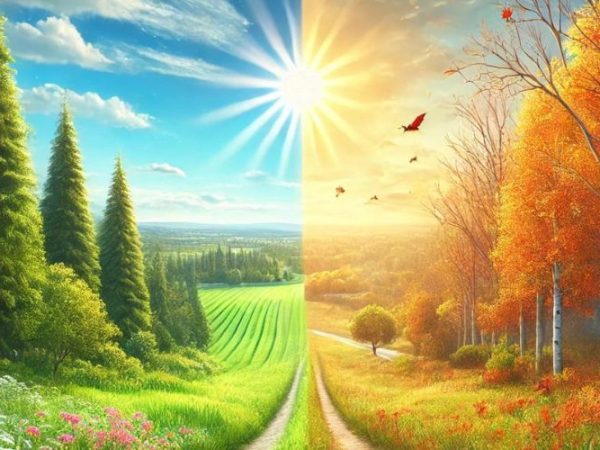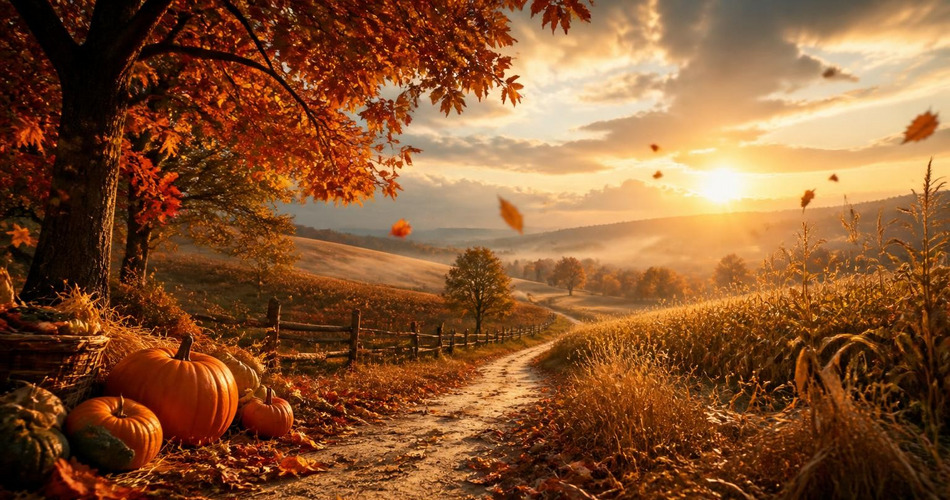
Autumn is the season of transition, when the abundance of summer gives way to the quiet stillness of winter. It symbolizes harvest, gratitude, and the fruit of one’s labor, while also carrying themes of letting go, decay, and mortality. Across cultures, autumn is understood as a time of balance — equal light and dark — and a moment to reflect on the cycles of life. Its golden light and falling leaves evoke both beauty and melancholy, making it one of the most emotionally resonant seasons of the year.
What Does Autumn Symbolize?
Autumn symbolizes harvest and the culmination of effort. In agricultural societies, it is the season when crops are gathered, storehouses are filled, and communities celebrate the fruits of their labor. The imagery of ripe grain, pumpkins, and orchard fruit links autumn directly to abundance and provision for the coming winter.
Autumn also represents transition and impermanence. Leaves change color and fall, temperatures drop, and daylight shortens, making it an unmistakable reminder that nothing stays the same. This has led to autumn being associated with maturity, reflection, and the later stages of life — a symbolic counterpart to spring’s youth and summer’s vitality.
Balance is another key theme. The autumnal equinox brings nearly equal hours of day and night, which has led many traditions to view autumn as a moment of equilibrium between light and darkness. It is a season of thresholds, standing between the active outward energy of summer and the inward, contemplative energy of winter.
Positive and Negative Meanings of Autumn
Positive associations: Autumn is linked with abundance, gratitude, and reward. It is the season of harvest festivals, family gatherings, and preparation for winter — a time when communities come together to share food and giving thanks. Its cool, crisp air and vivid foliage are widely appreciated as beautiful, and the season often inspires creativity, nostalgia, and a sense of cozy comfort.
Negative meanings: Autumn is also associated with decay, decline, and endings. The falling leaves and dying plants can evoke loss, old age, and mortality. In literature and art, autumn frequently appears as a symbol of fading vitality, melancholic reflection, or an approaching end, carrying a bittersweet tone that contrasts with the hopefulness of spring.
History and Origins of Autumn Symbolism
The symbolism of autumn is rooted in the agricultural calendar that shaped human civilization for millennia. In temperate regions, autumn has always been the season of the main harvest, when crops such as grain, fruit, and vegetables must be gathered before the frost. This practical necessity gave rise to the season’s enduring association with abundance and preparation.
Ancient festivals such as the Greek Thesmophoria and the Roman Cerelia honored harvest deities and marked the end of the growing season. In the British Isles, the Celtic festival of Samhain — held at the end of October — was a time when the boundary between the living and the dead was believed to thin, linking autumn to ancestor remembrance and the supernatural. These early traditions evolved into modern observances such as Halloween and Thanksgiving, which still carry autumn’s core themes of harvest, commemoration, and community.
The equinox, around September 22 in the Northern Hemisphere, has also shaped autumn symbolism. Many cultures recognized this moment as a time of balance and transition, a pause between the outward labor of summer and the inward rest of winter. Over time, autumn became the natural emblem of the life cycle — growth, maturity, decline, and renewal.
Autumn Symbolism in Different Cultures
In East Asian cultures, autumn is traditionally associated with the moon and family reunion. The Mid-Autumn Festival, celebrated in China, Vietnam, and other countries, occurs during the full moon of the eighth lunar month. Families gather to share mooncakes, admire the moon, and give thanks for the harvest. In Chinese philosophy, autumn corresponds to the metal element and the virtue of righteousness, as well as a time of consolidation and inner strength.
In Native American traditions, autumn is a time of thanksgiving and preparation. Many tribes held harvest ceremonies honoring the corn, beans, and squash — known as the Three Sisters — and gave thanks for the gifts of the earth. The falling leaves were often seen as a natural sign to store food, mend dwellings, and prepare for the long winter months.
In Western folk tradition, autumn is steeped in harvest customs and remembrance. The English tradition of Harvest Festival involves decorating churches with produce and singing hymns of gratitude. In Mexico, the autumn celebrations of Día de los Muertos (Day of the Dead) blend indigenous and Catholic practices, using marigolds, altars, and food offerings to honor deceased loved ones — reflecting autumn’s deep connection to memory and the cycle of death and life.
In Scandinavian and Baltic cultures, autumn is a time of quiet introspection and preparation for the dark season. Traditional beliefs often emphasized tidying the home, preserving food, and respecting the boundary between the living and the spiritual world as winter approached. Autumn lights — candles in windows — symbolize warmth and hope against the growing darkness.
Autumn in Mythology and Folklore
Autumn appears in mythologies across the world as the season of descent and return. The most famous example is the Greek myth of Persephone, who returns to the underworld each autumn, causing her mother Demeter to mourn and the earth to become barren. This story explains the dying of vegetation and gives autumn a sacred dimension as a time when the earth withdraws into itself.
In Celtic mythology, autumn was the season of Samhain, when the doors to the Otherworld opened. It was believed that spirits, fairies, and ancestors could cross into the human world, and people would light bonfires and wear disguises to ward off harmful beings. Many of these customs survive in modern Halloween.
Japanese folklore associates autumn with the moon — particularly the harvest moon, which is celebrated in moon-viewing parties called tsukimi. Tales and poems from the Heian period onward celebrate the beauty of the autumn moon and the bittersweet feeling of impermanence, known as mono no aware. Falling autumn leaves also appear in Japanese art as symbols of transience and graceful decline.
Autumn in Dreams
Dreaming of autumn often carries themes of change, reflection, and harvest. Psychologically, autumn in a dream may appear when a person is transitioning between phases of life — finishing a project, leaving a job, ending a relationship, or preparing for a new chapter. The dream landscape mirrors the internal season of letting go.
Autumn dreams may also represent a time of reaping what one has sown. If a dreamer sees ripe fields or harvested crops, it can symbolize the results of past efforts, whether positive or negative. Autumn in dreams can thus be a prompt to evaluate one’s life and decide what to keep and what to release.
The emotional tone of an autumn dream matters. A pleasant, golden autumn may indicate contentment, maturity, and gratitude. A gloomy, rainy autumn may signal sadness, fear of aging, or resistance to change. The dreamer’s feelings within the dream provide the clearest key to its meaning.
Common Dream Scenarios with Autumn
- Falling leaves: Letting go of old beliefs, habits, or relationships; accepting the natural end of a phase in life.
- Harvesting crops: Reaping the rewards of hard work, or acknowledging the consequences of past actions.
- Walking through autumn woods: A journey of introspection, wisdom, and acceptance of change.
- First frost: A warning that time is running out, or the beginning of a period of rest and dormancy.
- Autumn storm: Emotional turbulence during a period of transition; feeling unprepared for upcoming changes.
- Bare trees: Feelings of loss, vulnerability, or stripping away of what is no longer necessary.
Autumn in Superstitions and Folk Beliefs
Autumn has generated many folk beliefs, often tied to predicting the severity of the coming winter. A common saying holds that a heavy crop of acorns or a thick coat of fur on animals signals a harsh winter ahead. Similarly, the timing of the first frost or the behavior of migrating birds has historically been read as an omen for the colder months.
In European folklore, autumn storms and winds were sometimes seen as supernatural. The howling of autumnal wind was thought to be the wailing of restless spirits, especially around Samhain. Harvest traditions also included leaving the last sheaf of grain in the field as a home for the corn spirit, ensuring fertility for the next year. These beliefs reflect autumn’s role as a liminal time — a threshold between the known and the unknown.
Autumn in Art and Literature
Autumn has inspired some of the most celebrated works in art and literature. John Keats’s poem To Autumn (1819) is perhaps the most famous English homage to the season, describing it as a time of mellow fruitfulness and serene fulfillment. Keats personifies autumn as a figure resting amid granaries and cider presses, capturing both abundance and the quiet approach of winter.
In painting, autumn landscapes have been a favorite theme of the Romantic and Impressionist movements. Artists such as Caspar David Friedrich and John Constable painted autumn scenes that emphasize mood, atmosphere, and the melancholy beauty of fading light. Vincent van Gogh’s The Red Vineyard (1888), depicting grape harvesters in the warm autumn sun of Provence, is one of the few paintings he sold during his lifetime and a vivid example of autumn’s rich color palette.
In film, autumn often functions as a visual metaphor for reflection and change. Movies such as Dead Poets Society (1989) and When Harry Met Sally… (1989) use autumn settings to evoke nostalgia, transition, and the passage of time. In literature, the Russian novel Autumn in Petersburg and countless poems and short stories use the season to mirror characters’ inner states of decline, memory, and acceptance.
Frequently Asked Questions About Autumn
Q: What is the spiritual meaning of autumn?
A: Spiritually, autumn represents a time of release, gratitude, and preparation. It invites reflection on what has been accomplished and what must be let go, and it encourages a turning inward to gather strength for the quieter season of winter.
Q: Why is autumn associated with change?
A: Autumn is visibly a season of transformation — leaves change color, temperatures drop, and daylight fades. These natural changes make autumn the most obvious symbol of transition, impermanence, and the cyclical nature of life.
Q: What does autumn symbolize in the Bible or Christian tradition?
A: In Christian tradition, autumn is associated with thanksgiving and the harvest. It also sometimes symbolizes the end of the world or the final gathering of souls, as seen in biblical imagery of reaping and the harvest of the earth.
Q: Is autumn a positive or negative symbol?
A: Autumn is both. It carries positive meanings of abundance, gratitude, and maturity, but also negative associations with decay, loss, and mortality. Its full symbolism embraces both sides of the cycle.
Related Symbols
- Harvest Moon — the full moon closest to the autumn equinox, linked to abundance and gathering.
- Falling leaves — symbols of impermanence and letting go.
- Scarecrow — an autumn figure connected to harvest fields and protection of crops.
- Pumpkin — emblem of autumn harvest and Halloween.
- Samhain — the Celtic festival marking the beginning of winter and the thinning of worlds.
- Equinox — the moment of balance between light and dark.
- Persephone — Greek goddess whose annual descent into the underworld brings autumn and winter.
- Thanksgiving — a harvest festival celebrating gratitude and community.