Briefly
The royal crown is one of the most recognizable symbols of authority and sovereignty across cultures. It represents the highest rank in a monarchy, embodying power, legitimacy, and the divine right to rule. Crowns also signify honor, victory, and achievement, often used in ceremonies to mark coronations or other significant milestones. At the same time, the crown can carry negative connotations of pride, oppression, and the heavy burden of leadership.
What Does the Royal Crown Symbolize?
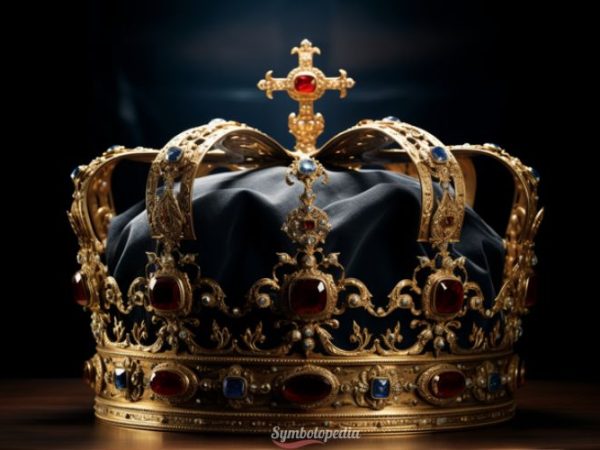
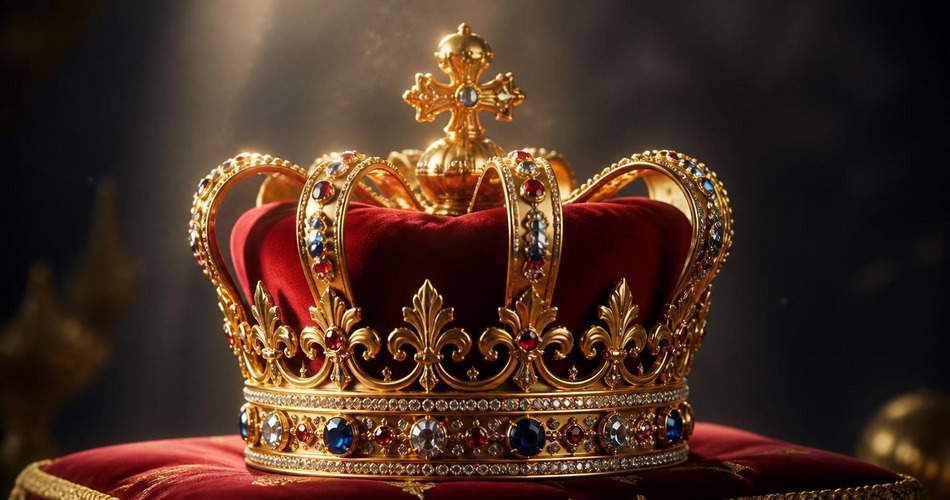
The royal crown primarily symbolizes sovereignty and legitimate authority. It marks the wearer as the supreme ruler of a kingdom or empire, often associated with divine approval or destiny. The circular shape of many crowns represents eternity and the unending nature of kingship, while precious metals and gems signify wealth, power, and the ruler’s elevated status above ordinary subjects.
Beyond political power, the crown also symbolizes honor and achievement. In many contexts, a crown is awarded to victors in competitions or as a mark of excellence. This dual symbolism—both inherited authority and earned recognition—makes the crown a versatile emblem across different domains.
Positive and Negative Meanings of the Royal Crown
Positive associations: The royal crown is linked to justice, order, and the protection of a nation. It represents the unity of a people under a single ruler and can symbolize the highest ideals of leadership, such as wisdom, courage, and self-sacrifice for the common good. Crowns also evoke a sense of tradition, continuity, and cultural identity.
Negative meanings: The crown can also symbolize tyranny, corruption, and the abuse of power. It may represent the oppressive weight of authority, the isolation of the ruler, or the inequality inherent in monarchy. Historically, crowns have been associated with conquest, colonialism, and the subjugation of peoples, giving the symbol a darker side.
History and Origins of the Royal Crown Symbolism
The use of crowns dates back to ancient civilizations. In ancient Egypt, the pharaoh wore the pschent, a double crown representing the unification of Upper and Lower Egypt. The laurel wreath of ancient Greece and Rome was a crown awarded to military commanders and athletes, symbolizing victory and honor rather than hereditary rule.
Medieval European crowns evolved from simple metal bands to elaborate jeweled headpieces, reflecting the growing power and wealth of monarchies. The coronation ceremony became a sacred ritual, with the crown blessed by religious authorities to signify the ruler’s divine mandate. The Crown Jewels of various nations remain powerful symbols of national heritage and sovereignty.
Royal Crown Symbolism in Different Cultures
In European heraldry, the crown is a standard element in coats of arms, indicating the rank of the bearer—from a duke’s coronet to a king’s closed crown. The British Crown Jewels, including St. Edward’s Crown and the Imperial State Crown, are iconic symbols of the monarchy and are used in coronations and state openings of Parliament.
In Asian cultures, crowns often take different forms. The Chinese imperial crown, for example, featured a flat board with hanging beads, symbolizing the emperor’s role as the Son of Heaven. In Hindu tradition, the mukuta (crown) is worn by deities and kings, representing divine authority and protection. African crowns, such as those of the Yoruba or Ashanti kingdoms, are richly adorned and used in ceremonies to connect the ruler with ancestors and spiritual forces.
Spiritual Meaning of the Royal Crown
Spiritually, the crown is often associated with the crown chakra in Hindu and Buddhist traditions, representing enlightenment and connection to the divine. In Christian iconography, the crown of thorns worn by Jesus symbolizes sacrifice and humility, while the heavenly crown (the “crown of life”) is a reward for the faithful. The crown also appears in visions of saints and angels, signifying spiritual authority and victory over sin.
Royal Crown in Art and Literature
In Shakespeare’s Richard II, the crown is a central symbol of the burden of kingship, with the king famously describing it as a “hollow crown” that brings anxiety and isolation. In J.R.R. Tolkien’s The Lord of the Rings, the crown of Gondor represents the rightful rule of the king, restored at the end of the story. Paintings of monarchs, such as Hans Holbein’s portrait of Henry VIII, often emphasize the crown to convey power and legitimacy. The crown also appears in modern literature, such as in George R.R. Martin’s A Song of Ice and Fire, where the Iron Throne itself is a twisted crown of swords, symbolizing the brutal struggle for power.
Frequently Asked Questions About the Royal Crown
Q: What does a crown symbolize in a dream?
A: In dream interpretation, a crown often represents ambition, recognition, or a desire for control. It may also indicate a sense of responsibility or pressure to live up to expectations.
Q: Is the crown a universal symbol of royalty?
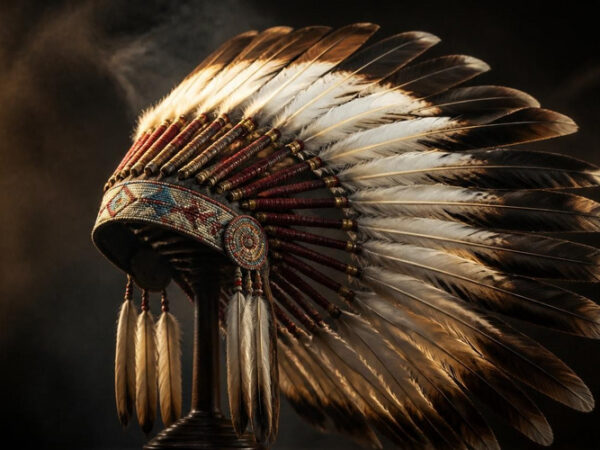
A: While many cultures use headdresses to denote rulers, the specific form of a jeweled crown is most strongly associated with European monarchy. Other cultures have their own symbols, such as the Egyptian double crown or the Chinese imperial headpiece.
Q: What is the difference between a crown and a coronet?
A: A coronet is a small crown worn by nobility below the rank of sovereign, often with fewer arches and jewels. In heraldry, the design of a coronet indicates the wearer’s rank.
Related Symbols
- Scepter – Symbol of royal authority and justice, often held alongside the crown.
- Throne – Represents the seat of power and the ruler’s position.
- Orb – A globe topped with a cross, symbolizing Christ’s dominion over the world, used in coronations.
- Diadem – A type of crown, often a simple band, symbolizing royalty or honor.
- Laurel Wreath – An ancient crown of victory, associated with achievement rather than hereditary rule.