Briefly
The white dove is one of the most universally recognized symbols of peace, purity, love, and hope. Its gentle appearance and soft cooing have made it a powerful emblem across cultures and religions, often associated with divine messages, new beginnings, and the human longing for harmony. While overwhelmingly positive, the white dove can also carry connotations of fragility or loss in certain contexts. This article explores the multifaceted symbolism of the white dove, from its ancient origins to its modern-day meanings in art, literature, and everyday life.
What Does the White Dove Symbolize?
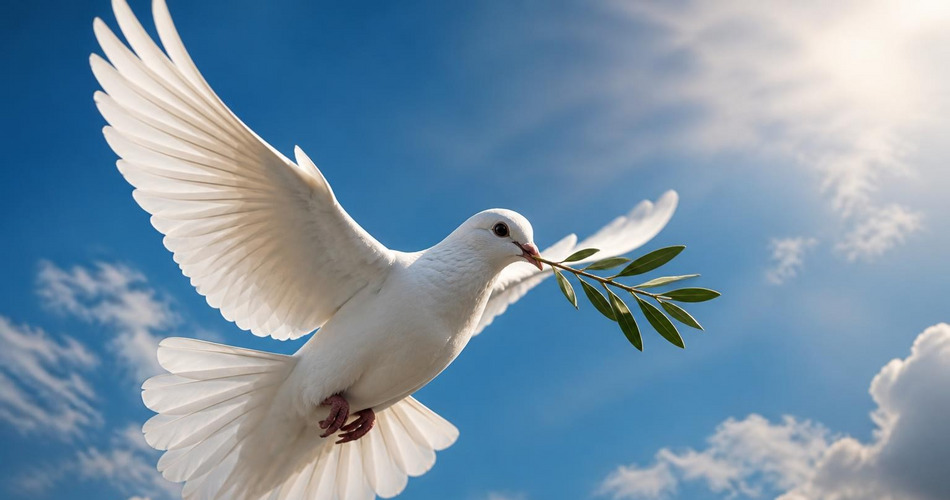
The white dove primarily symbolizes peace. This connection is so strong that the image of a dove carrying an olive branch is recognized worldwide as a call for truce and reconciliation. Beyond peace, the white dove represents purity and innocence, largely due to its white plumage, which in many cultures signifies cleanliness, virtue, and spiritual clarity. It is also a symbol of love and fidelity, as doves often mate for life, making them a common motif in weddings and romantic imagery. Additionally, the white dove embodies hope and new beginnings, appearing in stories of rebirth and renewal such as the biblical flood narrative. In spiritual contexts, it is seen as a messenger between the earthly and the divine, carrying prayers or delivering guidance.
Positive and Negative Meanings
Positive associations: The white dove is overwhelmingly linked to positive concepts: peace, purity, love, hope, gentleness, faithfulness, and spiritual connection. It is a comforting symbol that appears in times of conflict resolution, religious ceremonies, and personal milestones like weddings and baptisms. Its presence often signals a fresh start or a message of goodwill.
Negative meanings: In some interpretations, the white dove can represent vulnerability or fragility, as its gentle nature makes it susceptible to harm. It may also symbolize loss or the fleeting nature of peace, especially when used in contexts of mourning or remembrance. Rarely, a white dove in dreams or omens might be seen as a warning of naivety or misplaced trust, though such meanings are far less common than the positive ones.
History and Origins of White Dove Symbolism
The symbolic use of the white dove dates back thousands of years. One of the earliest recorded associations comes from the ancient Near East, where doves were linked to fertility goddesses such as Inanna (Ishtar) in Mesopotamia. The Greeks and Romans later associated the dove with Aphrodite and Venus, goddesses of love, reinforcing its romantic symbolism. The most famous historical origin is the biblical story of Noah, who released a dove after the great flood; when it returned with an olive branch, it signified that the waters had receded and that life could begin anew. This narrative cemented the dove as a symbol of hope and divine promise in Judaism, Christianity, and Islam. In early Christian art, the white dove became the primary representation of the Holy Spirit, appearing at Jesus’s baptism and at Pentecost. Throughout the Middle Ages, the dove continued to appear in religious paintings and heraldry, and its modern association with peace was solidified in the 20th century through works like Pablo Picasso’s “Dove of Peace” lithograph.
White Dove Symbolism in Different Cultures
In Christianity, the white dove is most famously the symbol of the Holy Spirit, representing God’s presence, guidance, and peace. It appears in the story of Noah and in the New Testament accounts of Jesus’s baptism. In Greek and Roman mythology, the dove was sacred to Aphrodite (Venus) and symbolized love, beauty, and desire. In Hinduism, doves are sometimes associated with the god of love, Kamadeva, and represent devotion and emotional purity. In Chinese culture, doves are symbols of fidelity and longevity, often used in wedding decorations. In Native American traditions, the dove is a messenger of peace and a symbol of the feminine spirit, often appearing in creation stories. In modern Western culture, the white dove is ubiquitous as a peace emblem, used in logos, protests, and memorials. Its meaning transcends religious boundaries, making it a truly global symbol of harmony.
Spiritual Meaning of the White Dove
Spiritually, the white dove is seen as a messenger from the divine or a sign of answered prayers. Many people interpret the sudden appearance of a white dove as a confirmation that they are on the right path or that a loved one who has passed is at peace. In meditation and visualization practices, the white dove is invoked to bring calm, clarity, and a sense of protection. It is also associated with the concept of the soul’s journey, representing the release of earthly burdens and the attainment of spiritual freedom. In some New Age beliefs, the white dove is a totem animal that teaches gentleness, cooperation, and the power of non-violence.
White Dove in Myths and Folklore
The white dove appears in numerous myths and folk tales. In Greek mythology, doves pulled the chariot of Aphrodite and were considered her sacred birds. The story of the dove bringing an olive branch to Noah is a cornerstone of Judeo-Christian-Islamic folklore. In Roman folklore, it was believed that doves could predict the future or carry souls to the afterlife. In European folk traditions, a white dove seen on a roof was a good omen, foretelling a wedding or a birth. In some Celtic legends, the dove was a symbol of the goddess Brigid, associated with healing and poetry. In African American folklore, the white dove sometimes appears as a spirit guide or a sign of ancestral presence. These stories consistently portray the white dove as a benevolent, otherworldly creature that bridges the human and the divine.
White Dove in Dreams
Dreaming of a white dove is generally considered a positive sign, often interpreted as a message of peace, hope, or spiritual guidance. The specific context of the dream can refine its meaning. For example, a dove flying freely may indicate a desire for freedom or the resolution of a conflict. A dove carrying an olive branch suggests that a period of struggle is ending. A white dove landing on the dreamer may symbolize a blessing or a call to embrace gentleness. As with all dream symbols, personal associations and emotions during the dream are important for accurate interpretation.
Common Dream Scenarios
- Seeing a white dove flying: Often represents freedom, peace of mind, or the release of a burden.
- A white dove carrying an olive branch: Symbolizes reconciliation, the end of a conflict, or a hopeful new beginning.
- A white dove landing on you: May indicate a spiritual message, a blessing, or a call to embody peace and gentleness.
- Multiple white doves: Suggests harmony in relationships or a community coming together in peace.
- A wounded or dead white dove: Can reflect feelings of lost innocence, broken peace, or vulnerability.
White Dove in Superstitions and Omens
In many cultures, seeing a white dove is considered a good omen. Common superstitions include: if a white dove flies into your home, it brings good luck or a message from a departed loved one. A white dove appearing at a wedding is believed to bless the union with fidelity and happiness. In some traditions, a white dove seen on the day of a funeral signifies that the soul has found peace. Conversely, harming a white dove is thought to bring bad luck or misfortune. These beliefs reinforce the dove’s role as a positive, protective symbol in folk wisdom.
White Dove in Art and Literature
The white dove has been a prominent motif in art and literature for centuries. In religious art, it appears in countless paintings of the Annunciation, the Baptism of Christ, and Pentecost, often with rays of light emanating from it to represent the Holy Spirit. One of the most famous modern depictions is Pablo Picasso’s “Dove of Peace” (1949), a simple line drawing that became the emblem of the World Peace Congress and a global icon of the peace movement. In literature, the dove appears in the biblical Book of Genesis as the messenger of hope after the flood. In William Shakespeare’s works, doves are frequently used as symbols of love and gentleness, as in “Romeo and Juliet” where they are associated with Venus. In poetry, poets like Emily Dickinson and Pablo Neruda have used the dove to evoke themes of peace, longing, and spiritual connection. In film and popular culture, the white dove often appears in scenes of reconciliation or as a visual shorthand for peace, such as in the closing moments of war movies.
White Dove Tattoo Meaning
A white dove tattoo is a popular choice for those who wish to express values of peace, freedom, or spiritual faith. It can commemorate a loved one who has passed, symbolize a personal journey toward inner peace, or represent a commitment to non-violence. The dove is often depicted with an olive branch to emphasize the peace message, or with a heart to signify love. In Christian-themed tattoos, the dove may represent the Holy Spirit. The placement and style vary, but the meaning remains consistently positive and deeply personal.
Meanings of Different Types or Variations
While the white dove is the most iconic, variations in color or context can shift symbolism slightly. A pure white dove is the classic symbol of peace and purity. A dove with an olive branch specifically represents peace and reconciliation. A dove in flight emphasizes freedom and spiritual ascent. A pair of doves symbolizes love, partnership, and fidelity, often used in wedding imagery. A dove with a halo is a Christian symbol of the Holy Spirit. In some traditions, a gray or brown dove (often a pigeon) carries similar meanings but is less associated with purity and more with everyday peace or domesticity.
Frequently Asked Questions
Q: What does a white dove symbolize in the Bible?
A: In the Bible, the white dove symbolizes the Holy Spirit, peace, and God’s promise. The most famous reference is the dove that returned to Noah with an olive branch, signaling the end of the flood and God’s covenant.
Q: Is a white dove a sign from heaven?
A: Many people interpret the appearance of a white dove as a spiritual sign of comfort, guidance, or a message from a deceased loved one. While not scientifically proven, it holds deep personal meaning for many.
Q: What does it mean when you see two white doves?
A: Two white doves are often associated with love, partnership, and fidelity. They are a common symbol in weddings and represent a harmonious union.
Q: Are white doves rare in nature?
A: True white doves are a color variant of the rock dove (pigeon) and are not extremely rare, but they are less common than gray pigeons. Many white doves used in ceremonies are domesticated.
Related Symbols
- Olive Branch — directly linked to the dove as a symbol of peace
- Peace Sign — modern emblem of peace, often interchangeable with the dove
- Pigeon — the same species, but with less idealized symbolism
- Holy Spirit — in Christianity, the dove represents the third person of the Trinity
- White Feather — another symbol of peace and spiritual presence
- Dove of Peace (Picasso) — specific artistic rendition that became a global icon