Briefly
Papaya is a tropical fruit that symbolizes health, fertility, and abundance. Its sweet taste and numerous seeds have made it a symbol of vitality and renewal in many cultures. The fruit’s rich nutritional profile and digestive enzymes also associate it with healing and well-being. As an exotic fruit, papaya often represents the lush, life-giving aspects of tropical nature.
What Does Papaya Symbolize?
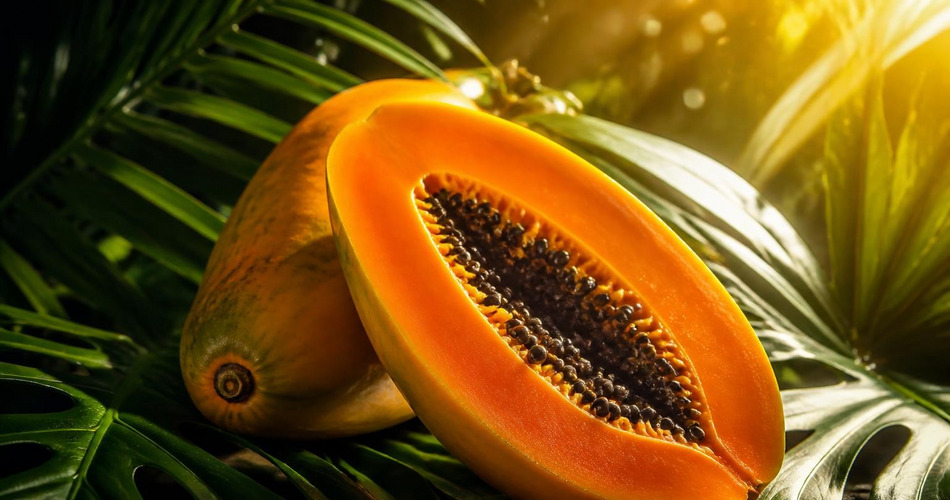
Papaya is widely recognized as a symbol of tropical abundance and fertility. The fruit’s many seeds are a direct visual metaphor for potential and new life, while its sweet, juicy flesh evokes pleasure and nourishment. In many cultures, papaya is also linked to health and vitality due to its high content of vitamins, antioxidants, and the enzyme papain, which aids digestion. The fruit’s bright orange-yellow color further reinforces associations with warmth, energy, and joy.
Beyond physical health, papaya can symbolize emotional and spiritual renewal. Its rapid growth and prolific fruiting make it a natural emblem of regeneration and the cycles of nature. In some traditions, papaya is seen as a gift from the gods, representing the earth’s generosity and the sweetness of life.
Positive and Negative Meanings
Positive associations: Papaya is primarily seen as a positive symbol of health, fertility, abundance, and tropical paradise. It represents vitality, digestion, and overall well-being. The fruit’s seeds symbolize potential and new beginnings, while its sweet taste evokes pleasure and satisfaction.
Negative meanings: Over-ripeness or spoilage can symbolize decay, waste, or the fleeting nature of pleasure. In some contexts, papaya seeds are used as a natural contraceptive, which can represent control over fertility or prevention. Additionally, the fruit’s exoticism may sometimes carry connotations of otherness or commodification in certain cultural narratives.
History and Origins of Papaya Symbolism
Papaya (Carica papaya) is native to Central America and southern Mexico, where it has been cultivated for centuries by indigenous peoples such as the Maya and Aztecs. These cultures valued papaya not only as a food source but also for its medicinal properties. The fruit was often associated with fertility and abundance due to its prolific seed production and rapid growth.
With the arrival of Spanish and Portuguese explorers in the 15th and 16th centuries, papaya was introduced to other tropical regions around the world, including the Caribbean, Africa, and Southeast Asia. In these new environments, papaya quickly became a symbol of the New World’s bounty and exotic allure. Its spread was often tied to colonial trade routes, and the fruit came to represent both the richness and the exploitation of tropical lands.
Today, papaya is grown globally in tropical climates and continues to be a symbol of health, vitality, and tropical abundance. Its symbolic meanings have evolved but remain rooted in its physical characteristics and historical journey.
Papaya Symbolism in Different Cultures
In Caribbean cultures, papaya is often associated with healing and digestive health. The fruit’s papain enzyme is used in traditional remedies for stomach ailments, and papaya is considered a nourishing food for all ages. It also appears in local folklore as a symbol of hospitality and generosity.
In many Asian countries, particularly in Southeast Asia, papaya is a common ingredient in both savory and sweet dishes. It is sometimes referred to as the “fruit of the gods” due to its perceived health benefits and sweet flavor. In traditional medicine systems like Ayurveda, papaya is used to support digestion and vitality. The unripe fruit is also used in salads and pickles, symbolizing versatility and resourcefulness.
In Hawaii, papaya is a staple fruit and a symbol of the islands’ tropical abundance. It is often offered to guests as a sign of welcome and hospitality. The fruit’s vibrant color and sweet taste are emblematic of the Hawaiian spirit of aloha.
Spiritual Meaning of Papaya
Spiritually, papaya is often seen as a symbol of abundance and the cycle of life. Its many seeds represent infinite potential and the promise of new beginnings. The fruit’s bright color and sweet flesh can evoke feelings of joy, gratitude, and connection to the earth’s generosity.
In some spiritual traditions, papaya is used in offerings or rituals to attract prosperity and fertility. The fruit’s rapid growth and prolific fruiting make it a natural emblem of renewal and the continuous flow of life energy. Eating papaya mindfully can be a practice of appreciating nature’s bounty and the sweetness of existence.
Papaya in Superstitions and Omens
In some cultures, papaya is considered a lucky fruit. Planting a papaya tree near the home is believed to bring good fortune, prosperity, and protection. The tree’s fast growth and abundant fruit are seen as positive omens for a bountiful life.
Conversely, a papaya tree that fails to fruit or dies suddenly may be interpreted as a sign of misfortune or imbalance. In certain traditions, papaya leaves are used in cleansing rituals to remove negative energy. These superstitions reflect the fruit’s deep association with life force and vitality.
Papaya Tattoo Meaning
Papaya tattoos are chosen by individuals who wish to symbolize fertility, abundance, and a connection to tropical nature. The fruit’s many seeds can represent potential and new beginnings, while its sweet shape and color evoke pleasure and vitality. Such tattoos often incorporate other tropical elements like leaves or flowers to emphasize the theme of lush, life-giving energy. Papaya tattoos are relatively uncommon but carry strong personal and symbolic meaning for those who choose them.
Meanings of Different Types and Colors of Papaya
The symbolism of papaya can vary depending on its ripeness and color:
- Ripe papaya: Symbolizes sweetness, fulfillment, and the enjoyment of life’s pleasures. Its orange-yellow color represents warmth, energy, and joy.
- Unripe green papaya: Represents potential, preparation, and versatility. It is often used in savory dishes, symbolizing resourcefulness and the ability to transform.
- Papaya seeds: The black seeds are a direct symbol of fertility, abundance, and the potential for new life. They also represent the cycle of growth and renewal.
Frequently Asked Questions
Q: Is papaya a symbol of fertility?
A: Yes, due to its numerous seeds, papaya is widely associated with fertility, abundance, and the potential for new life.
Q: What does the color of papaya symbolize?
A: The orange-yellow color of ripe papaya is associated with warmth, energy, joy, and the vitality of the sun.
Q: Can papaya have negative symbolism?
A: In some contexts, over-ripe papaya can symbolize decay or waste, and papaya seeds used as a contraceptive may represent control over fertility.
Related Symbols
- Mango: Another tropical fruit symbolizing abundance and sweetness.
- Pineapple: A symbol of hospitality and tropical welcome.
- Banana: Represents fertility, energy, and tropical sustenance.
- Coconut: Symbolizes life-giving nourishment and tropical paradise.
- Seeds: Universal symbol of potential, new beginnings, and fertility.