Briefly
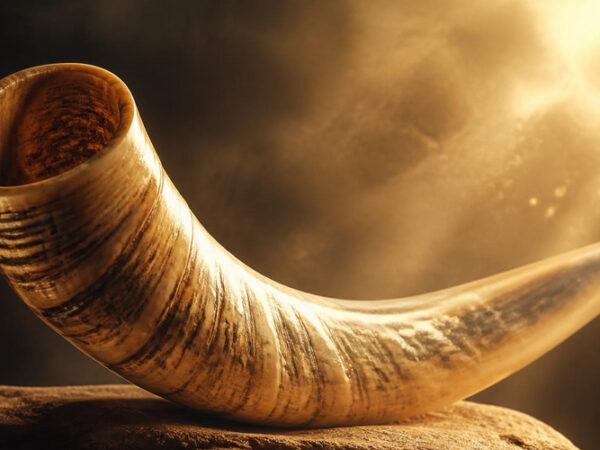
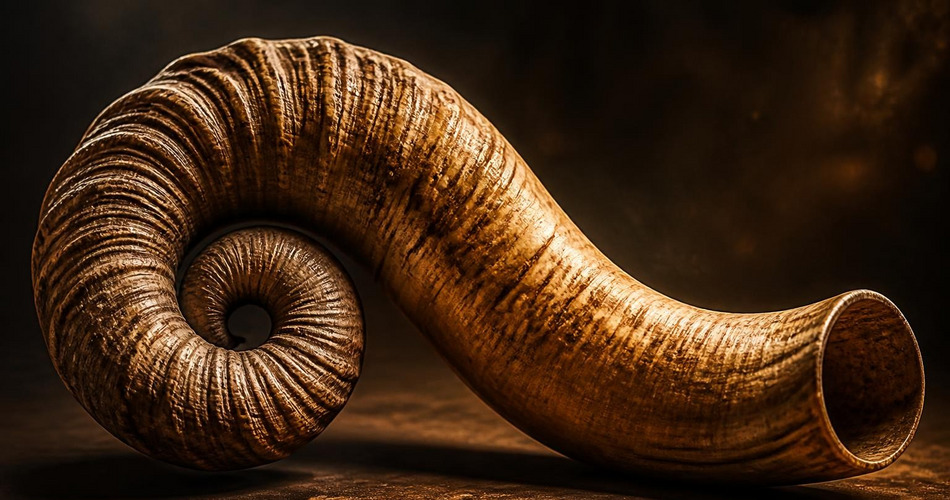
The ram’s horn is a powerful symbol that appears across many cultures, most notably as the shofar in Judaism, where it is blown during religious ceremonies to call the faithful to repentance and celebration. Beyond its ritual use, the ram’s horn represents strength, leadership, fertility, and protection, drawing on the ram’s natural traits as a dominant, aggressive animal. Its curved, spiral shape also evokes cycles of life, renewal, and the power of sound to bridge the earthly and the divine.
What Does Ram’s Horn Symbolize?
The ram’s horn primarily symbolizes strength and leadership, reflecting the ram’s role as a dominant male in its herd. In many traditions, the horn is a phallic symbol of fertility and virility. Its use as a musical instrument, especially the shofar, imbues it with meanings of call to action, warning, and spiritual awakening. The spiral shape of the horn also represents the cyclical nature of time, life, and the seasons.
In heraldry and emblems, the ram’s horn often appears on coats of arms to denote power, determination, and a warlike spirit. The horn’s hollow interior can symbolize the voice of the divine or the channeling of spiritual energy.
Positive and Negative Meanings of Ram’s Horn
Positive associations: The ram’s horn is widely seen as a positive emblem of strength, courage, and authority. In religious contexts, it signifies a call to prayer, repentance, and divine intervention. It also represents fertility, abundance, and the triumph of good over evil.
Negative meanings: In some contexts, the ram’s horn can symbolize aggression, stubbornness, and destructive power. The ram’s butting nature may be associated with conflict, war, and unchecked ambition. In certain superstitions, the horn is linked to the devil or demonic forces, especially when depicted as a goat’s horn.
History and Origins of Ram’s Horn Symbolism
The use of ram’s horns as symbols dates back to ancient times. The shofar, made from a ram’s horn, is mentioned in the Hebrew Bible, where it was used to announce the Jubilee year, signal war, and call assemblies. The oldest known shofar dates to the Second Temple period. In ancient Greece, the ram’s horn was central to the myth of the Golden Fleece, which symbolized kingship and divine favor. The fleece of the golden ram was hung in a sacred grove, guarded by a dragon, and its recovery by Jason and the Argonauts became a foundational story of heroism and quest.
In Celtic and Norse cultures, the ram was associated with gods of thunder and war, such as Thor and the Celtic god Cernunnos, who is often depicted with ram’s horns. These connections reinforced the horn’s symbolism of power and protection.
Ram’s Horn Symbolism in Different Cultures
Jewish tradition: The shofar is the most iconic use of the ram’s horn. It is blown on Rosh Hashanah (Jewish New Year) and Yom Kippur (Day of Atonement) to awaken the soul, call for repentance, and proclaim God’s sovereignty. The sound of the shofar is considered a spiritual alarm.
Greek mythology: The ram’s horn is central to the story of the Golden Fleece. The ram was sent by the god Hermes to rescue Phrixus and Helle, and its fleece later became a symbol of authority and divine right. The horn of plenty (cornucopia) is also derived from the horn of a goat, but sometimes associated with ram’s horn as a symbol of abundance.
Celtic and Norse cultures: The ram was a symbol of fertility and war. The Celtic god Cernunnos, often depicted with ram’s horns, represents nature, animals, and the underworld. In Norse mythology, the god Thor’s chariot was pulled by goats, and their horns symbolized thunder and strength.
African traditions: In some African cultures, the ram’s horn is used as a musical instrument and a symbol of chieftaincy, authority, and ancestral communication.
Spiritual Meaning of Ram’s Horn
Spiritually, the ram’s horn is a tool for connecting with the divine. The sound of the shofar is believed to pierce the heavens and awaken the soul. In many esoteric traditions, the horn represents the voice of the universe, calling individuals to higher consciousness. The spiral shape is associated with the journey of the soul, evolution, and the unfolding of spiritual truth.
The ram’s horn also symbolizes protection against evil spirits. In some cultures, hanging a ram’s horn above a doorway is thought to ward off negativity and bring good fortune.
Ram’s Horn in Myths and Folklore
The most famous myth involving a ram’s horn is the Greek legend of the Golden Fleece. The ram Chrysomallus, with a golden fleece and ram’s horns, was sacrificed to Zeus, and its fleece was placed in a sacred grove. The hero Jason and the Argonauts embarked on a perilous journey to retrieve it, a tale that has been retold in literature and film.
In Jewish folklore, the shofar is said to have been used at the Battle of Jericho, where the sound of trumpets (often interpreted as shofars) caused the walls to collapse. This story reinforces the horn’s power to overcome obstacles and bring divine victory.
In Celtic folklore, the ram’s horn is associated with the god Cernunnos, who is often depicted with antlers or ram’s horns, symbolizing the wild, untamed forces of nature and the cycle of life and death.
Ram’s Horn in Dreams
Dreaming of a ram’s horn often carries messages of strength, authority, or a call to action. It may indicate that the dreamer needs to take a leadership role or assert themselves. The horn can also symbolize a warning or an urgent message from the subconscious.
If the horn is broken or silent, it may suggest lost power or a missed opportunity. A loud, clear sound from a ram’s horn in a dream can signify a spiritual awakening or a pivotal moment.
Common Ram’s Horn Dream Scenarios
- Hearing a ram’s horn blown: A call to pay attention to an important event or decision in waking life. It may also represent a spiritual summons.
- Holding a ram’s horn: Symbolizes personal power, authority, or the ability to influence others. It may also indicate a need to take control.
- A broken ram’s horn: Suggests loss of strength, failure, or a weakened position. It can also represent a broken promise or a missed opportunity.
- Seeing a ram with large horns: Reflects the dreamer’s own ambition, aggression, or desire for dominance. It may also warn against stubbornness.
Ram’s Horn in Superstitions and Omens
In many cultures, a ram’s horn is considered a protective talisman. Hanging a ram’s horn above the door of a home is believed to ward off evil spirits and bring good luck. In some European folk traditions, carrying a small ram’s horn amulet is thought to enhance fertility and virility.
Conversely, dreaming of a ram’s horn being broken or lost is sometimes seen as an omen of defeat or loss of status. In some superstitions, the sound of a ram’s horn at night is considered a bad omen, foretelling death or disaster, though this is rare.
Ram’s Horn in Art and Literature
The ram’s horn appears in several notable works. In the Hebrew Bible, the shofar is mentioned in the Book of Exodus (Exodus 19:16) as the sound that accompanied the giving of the Ten Commandments. In the New Testament, the Book of Revelation describes seven angels blowing trumpets (often depicted as shofars) heralding apocalyptic events.
In classical literature, the myth of the Golden Fleece is recounted in Apollonius of Rhodes’ epic poem Argonautica (3rd century BCE) and later in Ovid’s Metamorphoses. The ram’s horn also appears in Shakespeare’s The Merchant of Venice where the character Shylock refers to the shofar in a speech about the sounds of the synagogue.
In visual art, the shofar is frequently depicted in Jewish ceremonial art, such as illuminated manuscripts and synagogue carvings. The Golden Fleece has been a subject for painters like Jean-Baptiste-Camille Corot and Gustave Moreau.
Ram’s Horn Tattoo Meaning
A ram’s horn tattoo often symbolizes strength, leadership, and protection. It can represent a connection to one’s heritage, especially for those of Jewish or Celtic descent. The horn’s spiral shape also makes it a popular design for those seeking to express personal growth, cycles of life, or spiritual awakening.
Some people choose a ram’s horn tattoo to signify their astrological sign (Aries), as the ram is the symbol of Aries. The tattoo can also be a symbol of fertility and virility, or a reminder of the wearer’s inner power and determination.
Meanings of Different Types of Ram’s Horn
- Shofar (Jewish ritual horn): Specifically a ram’s horn used in Jewish religious ceremonies. It symbolizes repentance, prayer, and divine connection. Its sound is considered a spiritual call.
- Golden Fleece (mythological ram’s horn): In Greek myth, the fleece of a golden ram. The horn itself is not the focus, but the ram’s horn is part of the fleece’s symbolism of kingship, heroism, and divine favor.
- Heraldic ram’s horn: In coats of arms, a ram’s horn often appears as a charge. It symbolizes military strength, courage, and a warrior spirit. It can also represent the bearer’s family name or region.
Frequently Asked Questions About Ram’s Horn
Q: What does a ram’s horn symbolize in the Bible?
A: In the Bible, the ram’s horn (shofar) symbolizes God’s voice, a call to repentance, and the announcement of important events such as the giving of the Law and the Jubilee year.
Q: Is a ram’s horn a good luck charm?
A: In many cultures, yes. Hanging a ram’s horn above a doorway or carrying a small horn amulet is believed to bring protection, good fortune, and fertility.
Q: What does a ram’s horn tattoo mean?
A: A ram’s horn tattoo often represents strength, leadership, protection, and a connection to one’s heritage. It can also symbolize the astrological sign Aries or personal growth.
Q: Why is the shofar made from a ram’s horn?
A: The ram’s horn is used because of the biblical story of the Binding of Isaac, where a ram was sacrificed in Isaac’s place. The horn thus symbolizes substitutionary sacrifice and divine mercy.
Related Symbols
- Shofar – the ritual use of the ram’s horn in Judaism
- Cornucopia – horn of plenty, often associated with abundance
- Golden Fleece – the fleece of a golden ram, symbol of kingship
- Ram – the animal itself, symbol of strength and leadership
- Goat’s horn – often associated with the devil or pagan deities