Briefly
Dogs are among the most universally recognized symbols of loyalty, companionship, and unconditional love. Across cultures, they represent protection, fidelity, and the bond between humans and animals. At the same time, dogs can symbolize aggression, wildness, or the untamed aspects of nature, depending on context. Their symbolism is deeply rooted in history, appearing in mythology, folklore, religion, art, and everyday life.
What Does Dog Symbolize?
At its core, the dog symbolizes loyalty and unwavering devotion. This stems from thousands of years of domestication, during which dogs have served as protectors, hunters, herders, and companions. The dog’s ability to form deep emotional bonds with humans makes it a powerful emblem of friendship and trust. In many traditions, dogs also represent guidance and protection, acting as guardians of the home or spiritual guides in the afterlife.
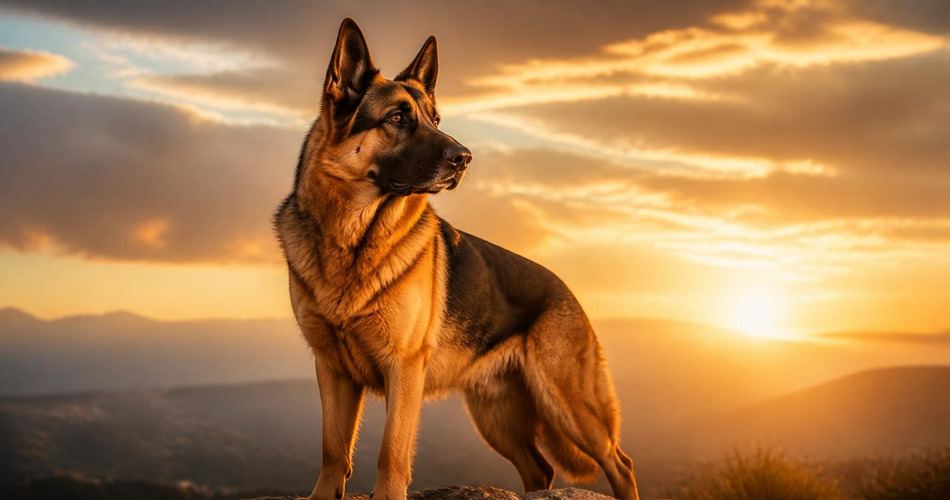
Beyond loyalty, dogs symbolize courage and perseverance. Breeds like the German Shepherd or Rottweiler are often associated with bravery and service, while the Labrador Retriever embodies warmth and reliability. The dog’s keen senses—hearing, smell, sight—link it to intuition and awareness. In some contexts, dogs represent the instinctual, earthy side of life, reminding humans of their connection to nature.
Positive and Negative Meanings
Positive associations: Dogs are overwhelmingly seen as symbols of loyalty, friendship, protection, and unconditional love. They represent faithfulness, courage, and the joy of companionship. In many cultures, dogs are considered guardians—both physical and spiritual—and are believed to bring good luck, prosperity, or warning of danger. Their playful nature also symbolizes happiness and living in the moment.
Negative meanings: Dogs can also symbolize aggression, ferocity, or untamed wildness. A snarling or barking dog may represent threat, anger, or territoriality. In some folklore, black dogs are omens of death or misfortune. Stray or feral dogs can symbolize neglect, abandonment, or the darker side of human nature. Dreams of being chased by a dog often reflect feelings of fear, guilt, or unresolved conflict.
History and Origins of Dog Symbolism
The domestication of dogs began at least 15,000 years ago, making them one of the first animals to live alongside humans. This long history has deeply embedded dogs in human culture and symbolism. In ancient Egypt, dogs were revered as companions and guardians; the god Anubis, depicted with a canine head, guided souls in the afterlife. In Greek mythology, the three-headed dog Cerberus guarded the entrance to the underworld, symbolizing the boundary between life and death.
In many indigenous cultures, dogs were seen as spiritual guides or messengers. The Native American tradition often associates dogs with loyalty and protection, while in Norse mythology, the dog Garmr guards the gates of Hel. Throughout the Middle Ages in Europe, dogs were symbols of fidelity in art and literature, often appearing in portraits of married couples to represent marital loyalty.
Dog Symbolism in Different Cultures
In Chinese culture, dogs are associated with loyalty and good fortune. The Dog is one of the 12 zodiac animals, representing honesty, reliability, and a protective nature. People born in the Year of the Dog are believed to be loyal and trustworthy. In Japanese culture, the dog (inu) is a symbol of protection and fidelity; the famous story of Hachiko, the loyal Akita who waited for his deceased owner, epitomizes these qualities.
In Hinduism, dogs are associated with the god Bhairava, a fierce form of Shiva, and are considered guardians of the afterlife. In Islamic tradition, dogs are generally viewed as unclean, but they are also recognized for their utility in hunting and herding. In African folklore, dogs often appear as tricksters or helpers, sometimes bridging the human and spirit worlds. In Celtic mythology, dogs were linked to healing and the Otherworld, with hounds like the Cŵn Annwn serving as psychopomps.
Spiritual Meaning of Dog
Spiritually, dogs are seen as guides and protectors. Many people believe that dogs have a heightened sensitivity to spiritual energies and can sense danger or the presence of spirits. In shamanic traditions, the dog is a power animal that represents loyalty, courage, and the ability to navigate between worlds. The dog spirit guide encourages unconditional love, trust, and living authentically.
In dream interpretation, dogs often appear as symbols of friendship, protection, or inner instincts. A friendly dog may represent a supportive relationship or one’s own loyal nature, while an aggressive dog can indicate unresolved anger or fear. The spiritual meaning of a dog also includes themes of guidance—the dog as a faithful companion on life’s journey, helping humans stay grounded and connected to their emotions.
Dog in Myths and Folklore
Dogs appear prominently in myths and folklore worldwide. In Greek mythology, Cerberus is the three-headed hound of Hades, guarding the underworld to prevent the dead from escaping. The goddess Hecate was often accompanied by dogs, linking them to magic and crossroads. In Norse mythology, the hound Garmr is associated with Ragnarök, the end of the world, and is said to howl before the final battle.
In Egyptian mythology, the jackal-headed god Anubis oversees mummification and guides souls to the afterlife. Dogs were also associated with the goddess Wepwawet, a wolf-like deity who opened the way for the dead. In Celtic folklore, the Cŵn Annwn are spectral hounds that hunt the souls of the dead, while in Native American legends, dogs often appear as faithful companions or as animals that brought fire or other gifts to humans. In Japanese folklore, the shisa (lion-dog) is a guardian creature that wards off evil.
Dog in Dreams
Dreaming of dogs is common and can carry a range of meanings depending on the dog’s behavior, appearance, and the dreamer’s feelings. Dogs in dreams often represent loyalty, friendship, protection, or one’s own instincts. A friendly dog may indicate a trustworthy person in the dreamer’s life or the dreamer’s own loyal nature. An aggressive dog can symbolize a threat, inner anger, or a conflict that needs addressing.
Common dream scenarios include being chased by a dog, which may reflect avoidance of a problem or fear of confrontation. A dog barking could represent a warning or a need to pay attention to something. A lost or stray dog might symbolize feelings of abandonment or a desire for connection. Dreaming of a dog that is sick or injured can indicate concerns about a relationship or one’s own health.
Common Dog Dream Scenarios
- Being chased by a dog: Often reflects feelings of being pursued by a problem, fear, or unresolved issue. It may also indicate a need to confront something you are avoiding.
- A friendly, playful dog: Suggests harmony, joy, and strong relationships. It can also represent your own playful or loyal nature.
- An aggressive or barking dog: May symbolize a threat, anger, or a warning. It could indicate that someone in your life is being hostile or that you are feeling defensive.
- A lost or stray dog: Often represents feelings of loneliness, abandonment, or a desire for connection. It may also point to a neglected aspect of yourself.
- A sick or injured dog: Can indicate concerns about a relationship, your own health, or a part of your life that needs care and attention.
- Multiple dogs: May represent social dynamics, teamwork, or a sense of being overwhelmed by responsibilities or relationships.
Dog in Superstitions and Omens
- Black dogs: In many European superstitions, a black dog is an omen of death or misfortune. The Black Shuck of English folklore is a large, spectral black dog said to portend doom.
- Dogs howling: Howling dogs are often believed to foretell death or bad news. This superstition is especially strong when a dog howls at night or near a sick person’s home.
- Dogs crossing your path: In some traditions, a dog crossing your path is considered good luck, especially if it is a white dog. In others, it may be a warning.
- Stray dogs following you: Some believe that a stray dog following you home brings good fortune or that the dog is a spirit guide offering protection.
- Dogs and the full moon: Howling at the moon is linked to supernatural activity in folklore, with dogs seen as sensitive to spirits or lunar energies.
Dog in Art and Literature
Dogs have been depicted in art and literature for centuries, often symbolizing loyalty, fidelity, and companionship. In ancient Greek and Roman art, dogs appear on mosaics, pottery, and sculptures, frequently as hunting companions or guardians. The famous Mosaic of the Dog from Pompeii shows a chained dog with the warning “Cave Canem” (Beware of Dog).
In Renaissance painting, dogs often symbolize marital fidelity. For example, Jan van Eyck’s Arnolfini Portrait (1434) includes a small dog at the couple’s feet, representing loyalty and domestic harmony. Similarly, in 17th-century Dutch still lifes, dogs sometimes appear as symbols of earthly pleasures or as guardians of the home.
In literature, dogs feature prominently. Jack London’s The Call of the Wild (1903) explores the primal instincts of a domesticated dog reverting to the wild, symbolizing the struggle between civilization and nature. In Sir Arthur Conan Doyle’s The Hound of the Baskervilles (1902), a spectral hound represents fear and the supernatural. The loyal dog Lassie in Eric Knight’s novel Lassie Come-Home (1940) epitomizes devotion and perseverance. In film, dogs like Toto in The Wizard of Oz (1939) serve as faithful companions and symbols of home and safety.
Dog Tattoo Meaning
Dog tattoos are popular symbols of loyalty, protection, and the bond between owner and pet. Many people get tattoos of their own dog as a tribute to a beloved companion. A dog tattoo can also represent courage, guidance, or a guardian spirit. Specific breeds carry additional meanings: a German Shepherd tattoo may symbolize bravery and service, while a Pit Bull tattoo can represent resilience and loyalty despite negative stereotypes. A wolf tattoo, closely related to dogs, often symbolizes freedom, instinct, and the wild.
In some cultures, dog tattoos are believed to offer protection or to honor a spirit animal. The placement and style—realistic, tribal, or minimalist—can further personalize the meaning. Overall, dog tattoos are a way to carry a symbol of unconditional love and faithfulness on one’s skin.
Meanings of Different Dog Types, Colors, and Breeds
- Black dog: Often associated with mystery, the unknown, or supernatural omens. In folklore, black dogs are both protectors and harbingers of death.
- White dog: Symbolizes purity, innocence, and spiritual guidance. White dogs are often seen as positive omens or messengers.
- Golden or yellow dog: Represents warmth, happiness, and loyalty. The Golden Retriever, for instance, embodies friendliness and reliability.
- Wolf-like breeds (Husky, Malamute): Emphasize wildness, instinct, and the connection to nature. They symbolize freedom and endurance.
- Guardian breeds (German Shepherd, Rottweiler, Doberman): Represent protection, courage, and service. They are often used in police and military symbolism.
- Small companion breeds (Chihuahua, Pomeranian): Symbolize affection, playfulness, and the joy of companionship, but can also represent vulnerability or dependence.
- Stray or mixed-breed dog: Often symbolizes resilience, adaptability, and the underdog spirit.
Frequently Asked Questions About Dog Symbolism
Q: What does a dog symbolize in general?
A: Dogs universally symbolize loyalty, protection, companionship, and unconditional love. They are also associated with courage, guidance, and faithfulness.
Q: What does a black dog symbolize?
A: A black dog often symbolizes mystery, the unknown, or supernatural omens. In folklore, black dogs can be protectors or harbingers of death, depending on the tradition.
Q: What does it mean to dream of a dog?
A: Dreaming of a dog generally relates to loyalty, friendship, protection, or one’s own instincts. The dog’s behavior and appearance provide further clues—friendly dogs indicate harmony, while aggressive dogs may signal conflict or fear.
Q: What does a dog symbolize in the Bible?
A: In the Bible, dogs are often mentioned negatively, as unclean animals or symbols of greed and impurity. However, they are also used in parables to illustrate humility (e.g., the dogs eating crumbs under the table).
Q: What is the spiritual meaning of a dog?
A: Spiritually, dogs are seen as guides and protectors. They represent unconditional love, loyalty, and the ability to navigate between the physical and spiritual worlds. A dog spirit animal encourages trust and living authentically.
Related Symbols
- Wolf – wildness, instinct, freedom
- Fox – cunning, adaptability, trickery
- Cat – independence, mystery, grace
- Horse – freedom, power, loyalty
- Anubis – Egyptian god of the afterlife, dog-headed
- Cerberus – three-headed hound guarding the underworld
- Lion – courage, royalty, strength