Briefly
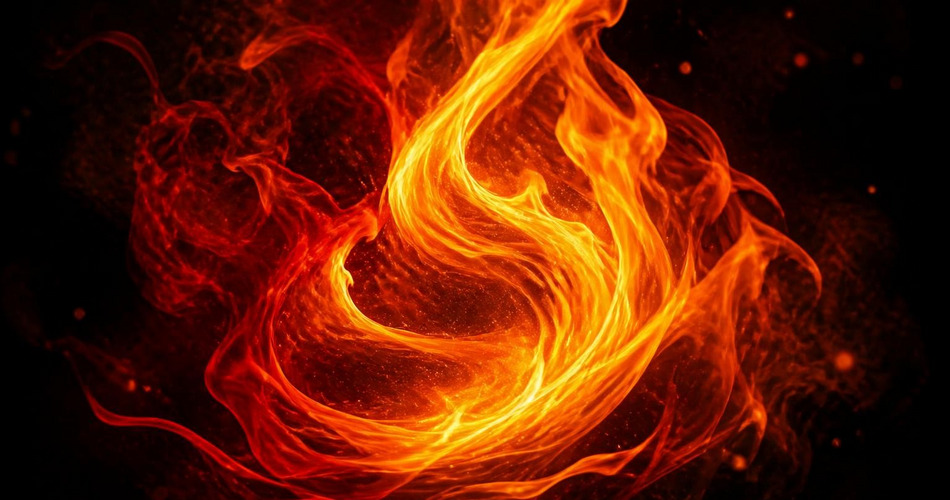
Flame is a powerful symbol of fire in its most dynamic form. It represents passion, energy, and the spark of life, but also destruction, purification, and transformation. Across cultures and spiritual traditions, flame embodies the dual nature of fire: it can warm and illuminate, or consume and annihilate. As a symbol, flame often signals a turning point, a moment of intense emotion, or the presence of the sacred.
What Does Flame Symbolize?
Flame symbolizes passion—the burning desire that fuels creativity, love, and ambition. It also stands for transformation, as fire consumes the old to make way for the new. In many contexts, flame represents purification: the idea that fire burns away impurities, leaving only what is essential. At the same time, flame can symbolize destruction, warning of the uncontrollable power of nature and human emotion. Its flickering, ever-changing form also evokes the fleeting nature of life and the constant cycle of birth, death, and rebirth.
Positive and Negative Meanings
Positive associations: Flame is linked to warmth, light, and life-giving energy. It inspires courage, passion, and creative drive. In spiritual contexts, flame represents divine presence, enlightenment, and the purification of the soul. The Olympic flame symbolizes unity, competition, and human achievement.
Negative meanings: Flame also embodies destruction, rage, and uncontrollable fury. It can consume everything in its path, representing war, wildfire, and the destructive aspects of anger. In dreams and omens, a dying or wild flame may signal loss of vitality, danger, or emotional turmoil.
History and Origins of Flame Symbolism
The symbolism of flame is as ancient as humanity’s relationship with fire. Early humans used fire for warmth, cooking, and protection, making it central to survival. The ability to create and control flame was seen as a gift from the gods—Prometheus stealing fire from Zeus is a foundational myth in Greek culture. In many ancient religions, flame was a sacred element: the Zoroastrian Atar (holy fire) is a symbol of purity and divine truth, and eternal flames were kept in temples. The Olympic flame tradition dates back to ancient Greece, where a sacred fire burned throughout the games. Throughout history, flame has been used in rituals of purification, sacrifice, and initiation.
Flame Symbolism in Different Cultures
In Hinduism, flame is central to the Agni (fire god) and is used in offerings and ceremonies; the flame represents the divine messenger that carries prayers to the heavens. In Buddhism, a flame often appears in depictions of the Buddha’s enlightenment and also symbolizes the burning away of ignorance. In Chinese culture, flame is associated with the element of fire and the direction south; it represents energy, transformation, and the phoenix’s rebirth. Native American traditions use flame in purification rituals such as sweat lodges and as a symbol of the sun’s life-giving power. In Christian symbolism, the flame appears at Pentecost as tongues of fire representing the Holy Spirit, and the burning bush is a sign of God’s presence.
Spiritual Meaning of Flame
In spiritual contexts, flame often represents the divine spark within every person—the soul’s eternal light. It is a symbol of enlightenment, inner truth, and the purification of the spirit. Many meditation practices use the image of a candle flame to focus the mind and connect with higher consciousness. The eternal flame, kept burning in memorials, symbolizes the undying memory of those who have passed and the continuity of life. In alchemy, flame is the transformative agent that turns base metals into gold, mirroring the soul’s journey toward perfection.
Flame in Myths and Folklore
Flame appears in myths worldwide. In Greek mythology, Prometheus stole fire from the gods and gave it to humanity, an act that enabled civilization but brought punishment. The phoenix, a mythical bird that rises from its own ashes, is a powerful symbol of rebirth through flame. In Norse mythology, the fire giant Surtr wields a flaming sword that will engulf the world at Ragnarök. In Japanese folklore, the kitsune (fox spirit) is sometimes depicted with flames or fire, representing both mischief and divine power. The will-o’-the-wisp, a flickering flame seen in marshes, is a folkloric omen leading travelers astray.
Flame in Dreams
Dreaming of flame can have multiple interpretations depending on the context. A calm, steady flame often symbolizes inner peace, passion, or spiritual illumination. A raging fire may represent anger, overwhelming emotion, or a situation that is out of control. Being burned by flame in a dream can indicate feelings of guilt, fear, or a need for purification. Extinguishing a flame might suggest the end of a passion or a desire to suppress emotions. As with all dream symbols, the dreamer’s personal associations and the dream’s emotional tone are key to meaning.
Common Dream Scenarios
- Seeing a candle flame: Often represents hope, guidance, or a small but steady source of energy.
- A wildfire or uncontrolled flame: May symbolize destructive emotions, chaos, or a situation that is spreading beyond control.
- Lighting a flame: Can indicate a new beginning, inspiration, or the start of a passionate endeavor.
- Being burned by flame: Suggests emotional pain, guilt, or the need to let go of something harmful.
- An eternal flame: Often symbolizes undying love, memory, or a spiritual connection that persists.
Flame in Superstitions and Omens
In many folk traditions, a flickering candle flame is considered an omen of a visitor or a change in fortune. A flame that suddenly goes out may be seen as a sign of bad luck or the presence of spirits. In some cultures, jumping over a flame (such as a bonfire) is believed to bring good luck, purification, or fertility. The color of a flame can also carry superstitious meaning: a blue flame is sometimes associated with spirits or the supernatural, while a yellow flame is considered ordinary. In European folklore, a flame that burns with a blue color might indicate the presence of a ghost or a witch.
Flame in Art and Literature
Flame appears as a potent symbol in many works. In Ray Bradbury’s novel Fahrenheit 451, fire (and flame) is used by the state to destroy books, representing censorship and the suppression of knowledge, but later becomes a symbol of rebirth and renewal. In F. Scott Fitzgerald’s The Great Gatsby, the green light at the end of Daisy’s dock is not a flame but a symbol of longing; however, Gatsby’s parties are described with images of light and flame to convey passion and excess. In visual art, the flame is central to the Olympic torch design, a modern symbol of continuity and peace. In poetry, William Blake’s “The Tyger” uses the image of burning fire to evoke the fierce energy of creation. The Statue of Liberty holds a torch with a flame, symbolizing enlightenment and freedom. In film, the eternal flame in “The Hunger Games” represents the Capitol’s power and the memory of fallen tributes.
Flame Tattoo Meaning
Flame tattoos are popular for their bold visual impact and rich symbolism. They often represent passion, strength, and an unquenchable spirit. A flame tattoo can signify a person’s fiery personality, their ability to overcome obstacles, or a transformative experience. Some choose flame designs to honor a loved one (as an eternal flame) or to mark a personal rebirth. In combination with other symbols—such as a phoenix, skull, or heart—the flame adds layers of meaning related to life, death, and renewal.
Meanings of Different Types, Colors, or Variations
- Blue flame: Often associated with intense heat, spirituality, or the supernatural; in some traditions, it represents a pure or divine fire.
- Red and orange flame: The most common colors, symbolizing passion, energy, and warmth, but also danger and destruction.
- White or pale flame: Can signify purity, enlightenment, or a spiritual presence.
- Eternal flame: A flame that never goes out, symbolizing everlasting memory, love, or the enduring soul.
- Wildfire flame: Represents uncontrollable forces, both natural and emotional.
- Candle flame: A small, steady flame often associated with hope, prayer, and the fragility of life.
Frequently Asked Questions
Q: What does a flame symbolize in love?
A: In love, flame symbolizes passion, desire, and the burning intensity of romantic feelings. It can also represent the warmth and comfort of a lasting relationship, but a dying flame may indicate fading love.
Q: Is flame a symbol of the Holy Spirit?
A: Yes, in Christianity, tongues of flame at Pentecost represent the Holy Spirit’s descent upon the apostles, symbolizing divine inspiration, purification, and the spread of the gospel.
Q: What does a flame mean in a dream about fire?
A: Dreaming of flame often relates to strong emotions—passion, anger, or transformation. The specific context (controlled vs. wild flame) helps determine whether the dream is positive or cautionary.
Q: What is the difference between fire and flame symbolism?
A: Fire is the broader element, encompassing both destructive and life-giving aspects. Flame specifically refers to the visible, dancing part of fire, often emphasizing energy, movement, and the transient nature of life.
Related Symbols
- Fire – the element that flame embodies
- Phoenix – rebirth from flame
- Torch – a controlled flame symbolizing enlightenment
- Candle – a small flame representing hope and prayer
- Sun – the ultimate source of fire and light
- Lightning – a sudden, powerful form of fire