Briefly
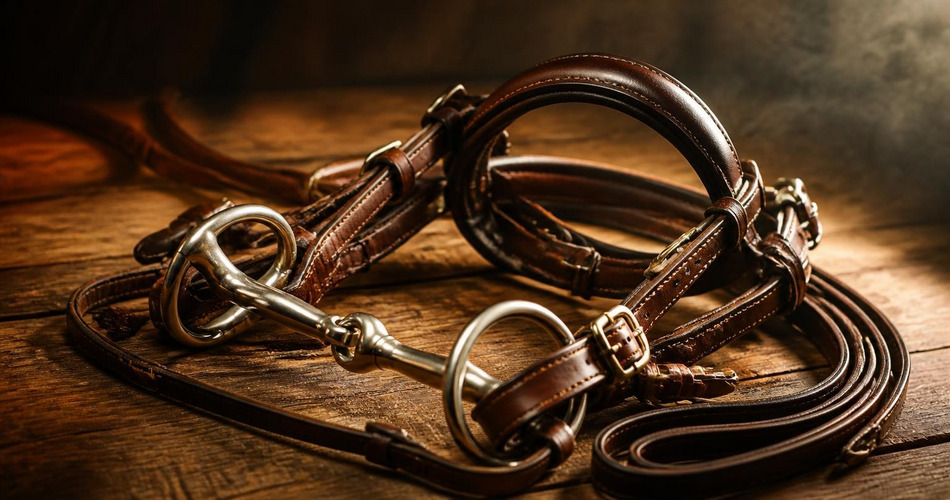
The bridle, a piece of horse tack used to direct and control a horse, carries rich symbolic meaning. It represents guidance, discipline, and the balance between freedom and restraint. As a tool of communication between rider and horse, the bridle symbolizes partnership, trust, and the ability to channel strength in a controlled direction. At the same time, it can signify oppression, domination, or the loss of autonomy when used harshly.
What Does Bridle Symbolize?
The bridle primarily symbolizes control and guidance. In equestrian contexts, it is the primary means by which a rider communicates direction, speed, and stopping cues to the horse. This makes the bridle a symbol of leadership and authority—the rider assumes responsibility for the horse’s actions, and the bridle is the physical link that enables that partnership.
Beyond literal riding, the bridle often appears as a metaphor for self-discipline and the taming of one’s own impulses. To “bridle one’s emotions” means to restrain anger or excitement, reflecting the bridle’s role in curbing uncontrolled energy. In this sense, the bridle symbolizes the human capacity for self-mastery and the conscious direction of inner forces.
The bridle also embodies the idea of direction. Just as a bridle guides a horse along a chosen path, it represents the choices and intentions that steer a person’s life. It can symbolize a clear sense of purpose or the need for external guidance when one feels lost.
Positive and Negative Meanings
Positive associations: The bridle is linked to discipline, training, and skillful leadership. In a positive light, it represents the harmonious partnership between rider and horse, where the bridle is a tool of communication and mutual respect. It symbolizes the ability to channel power constructively, to guide others with wisdom, and to maintain control without cruelty. In personal development, the bridle stands for self-control and the focused pursuit of goals.
Negative meanings: The bridle can also signify oppression, restriction, and the suppression of freedom. When used harshly, it becomes a symbol of domination—the rider imposing their will without regard for the horse’s well-being. In a broader sense, the bridle may represent societal constraints, authoritarian control, or the feeling of being held back. It can evoke the tension between autonomy and obedience, and the discomfort of being “reined in” against one’s will.
History and Origins of Bridle Symbolism
The bridle has been used for thousands of years, with early examples dating back to the Bronze Age. The invention of the bit and bridle allowed humans to ride and control horses effectively, transforming transportation, warfare, and agriculture. This practical origin gave the bridle its primary symbolic association with control and mastery over powerful animals.
In ancient cultures, the bridle was often a symbol of authority and nobility. Rulers and warriors were depicted riding horses with elaborately decorated bridles, signifying their status and command. The bridle’s design—often made of leather and metal—also reflected craftsmanship and wealth, especially when adorned with precious materials.
Over time, the bridle entered language and literature as a metaphor for restraint. The phrase “to bridle at something” (meaning to show anger or resentment) comes from the horse’s reaction to a tight rein, while “to bridle one’s tongue” means to speak with caution. These linguistic roots show how the bridle became embedded in cultural expressions of control and emotion.
Bridle Symbolism in Different Cultures
In many equestrian cultures, the bridle is a symbol of the deep bond between horse and rider. In Mongolian and Central Asian nomadic traditions, the bridle is part of the rider’s essential gear, representing the ability to navigate vast landscapes and maintain herds. The bridle’s craftsmanship is often a point of pride, with intricate metalwork and leather carving reflecting cultural identity.
In Western European heraldry, the bridle appears as a charge on coats of arms, symbolizing readiness for action and the control of one’s destiny. It is also associated with knighthood and chivalry, where the knight’s skill in handling the bridle reflected his honor and discipline.
In Native American cultures, the bridle (often called a hackamore or bosal in some traditions) is a tool of gentle communication. The bridle’s symbolism here emphasizes partnership and respect rather than force, aligning with the view of the horse as a spiritual companion.
Spiritual Meaning of the Bridle
Spiritually, the bridle represents the taming of the ego and the direction of one’s life force. Just as a rider uses the bridle to guide a horse, spiritual teachings often use the bridle as a metaphor for the soul’s guidance of the body and mind. It symbolizes the need for self-discipline to achieve higher states of consciousness and to avoid being led astray by base impulses.
In some traditions, the bridle is seen as a symbol of divine control—the idea that a higher power “reins in” human will to align with a greater purpose. This can be a comforting notion of being guided by a benevolent force, but it can also be interpreted as the loss of personal freedom if the control is perceived as oppressive.
Bridle in Myths and Folklore
While the bridle itself is not a central object in many myths, it appears in stories about horses and heroes. In Greek mythology, the hero Bellerophon tamed the winged horse Pegasus with a golden bridle given by Athena. This bridle symbolizes divine assistance and the ability to control a creature of immense power. The golden bridle represents not just physical control but also wisdom and favor from the gods.
In Celtic folklore, the bridle is sometimes associated with fairy horses or water horses (kelpies). A magical bridle could allow a human to tame such a creature, but it often came with a price—the bridle might be a trap or a means of enslavement. These tales emphasize the bridle’s dual nature as a tool of both liberation and bondage.
Bridle in Dreams
Dreaming of a bridle often relates to themes of control, direction, and restraint in the dreamer’s life. The bridle can appear as a symbol of the need to take charge of a situation or to rein in chaotic emotions. Alternatively, it may reflect feelings of being controlled by others or by circumstances.
The condition of the bridle in a dream is significant. A well-kept, functional bridle suggests effective self-discipline and clear goals. A broken or ill-fitting bridle may indicate a loss of control, poor communication, or the need to adjust one’s approach. A harsh or painful bridle can symbolize oppressive relationships or internal self-criticism.
Common Dream Scenarios
- Putting a bridle on a horse: Taking control of a situation or asserting leadership. It may also reflect the dreamer’s desire to master a new skill or challenge.
- Struggling to bridle a horse: Difficulty in managing one’s emotions or external pressures. It suggests resistance to discipline or the need for a different strategy.
- Being bridled like a horse: Feeling restricted, dominated, or unable to express oneself freely. This dream may point to an oppressive relationship or job.
- Removing a bridle: Letting go of control, seeking freedom, or releasing pent-up emotions. It can be a positive sign of relief or a warning against recklessness.
Bridle in Superstitions and Omens
In some equestrian traditions, a bridle is considered a protective object. Hanging a bridle over a stable door is believed to ward off evil spirits or bad luck for the horses. In parts of Europe, a bridle used by a skilled rider might be kept as a lucky charm for safe travel.
Conversely, a broken bridle during a journey was seen as an omen of misfortune or the need to change course. Dropping a bridle while mounting was sometimes interpreted as a sign of impending conflict or loss of control.
Bridle in Art and Literature
In literature, the bridle frequently appears as a metaphor. In Shakespeare’s Henry V, the king speaks of “bridling” his passions, using the image of a horse restrained by the bit. In Black Beauty by Anna Sewell, the cruel use of the bridle (especially the bearing rein) symbolizes the oppression of animals and the need for humane treatment.
In visual art, the bridle is a common element in equestrian portraits, where it signifies the rider’s status and skill. Paintings such as George Stubbs’s Whistlejacket show the horse without a bridle, emphasizing freedom, while works like Napoleon Crossing the Alps by Jacques-Louis David depict the bridle as a symbol of command and control.
Bridle Tattoo Meaning
A bridle tattoo often represents a love for horses and equestrian life, but it also carries deeper symbolic weight. It can signify self-discipline, the ability to steer one’s own path, or a commitment to mastering a skill. For some, a bridle tattoo is a reminder to stay in control of one’s emotions or to respect the balance between freedom and restraint.
The design of the bridle tattoo matters: a simple leather bridle may emphasize tradition and humility, while an ornate, decorated bridle can symbolize status, artistry, or cultural heritage. A broken bridle tattoo might represent overcoming a period of oppression or the choice to let go of excessive control.
Meanings of Different Types of Bridles
- Snaffle bridle: Often used for direct communication, the snaffle bridle symbolizes clarity, simplicity, and gentle guidance. It is associated with training and partnership.
- Curb bridle: With a leverage bit, the curb bridle represents stronger control and authority. It can symbolize the need for firm discipline or the potential for harshness if misused.
- Western bridle: Typically with a curb bit and split reins, the Western bridle symbolizes the traditions of the American cowboy—independence, skill, and a practical approach to control.
- English bridle: Often used in dressage and jumping, the English bridle (including the double bridle) symbolizes precision, elegance, and the refinement of communication between rider and horse.
Frequently Asked Questions
Q: What does a bridle symbolize in a dream?
A: In dreams, a bridle often symbolizes control, direction, or restraint. It may reflect the dreamer’s need to manage emotions or take charge of a situation, or it could indicate feeling controlled by others.
Q: Is a bridle a symbol of freedom or oppression?
A: The bridle is dual-natured: it can symbolize the freedom that comes from disciplined guidance (like a skilled rider directing a horse) or the oppression of being held back against one’s will. Context matters greatly.
Q: What is the spiritual meaning of a bridle?
A: Spiritually, the bridle represents self-mastery and the direction of one’s life force. It is a metaphor for taming the ego and aligning with a higher purpose.
Q: Why is a bridle used as a metaphor in language?
A: Phrases like “bridle your temper” or “bridle at something” draw on the bridle’s function of restraining and controlling a horse, applying that image to human emotions and reactions.
Related Symbols
- Bit – The mouthpiece of the bridle, symbolizing direct control and communication.
- Reins – The lines that connect rider to bit, representing guidance and direction.
- Horse – The animal controlled by the bridle, symbolizing power, freedom, and instinct.
- Saddle – The seat for the rider, symbolizing stability and partnership.
- Halter – A simpler headgear for leading, symbolizing basic control versus the finer control of a bridle.