Briefly
The web, most commonly associated with the spider’s web, is a powerful symbol of interconnectedness, creativity, and the intricate patterns of life. It represents the delicate balance between creation and destruction, as the web is both a work of art and a trap. Across cultures, the web symbolizes fate, destiny, and the weaving of life’s threads, often linked to goddesses of weaving and fate. It also embodies patience and skill, as the spider meticulously constructs its web.
What Does the Web Symbolize?
The web is a multifaceted symbol that appears in many contexts, from nature to mythology to modern technology. At its core, the web represents interconnectedness — the idea that all things are linked in a complex network of relationships. This can refer to the physical threads of a spider’s web, the social connections between people, or the global network of the internet. The web also symbolizes creativity and artistry, as the spider weaves an intricate structure from its own body. Additionally, the web is a symbol of fate and destiny, reflecting the belief that our lives are woven into a larger pattern beyond our control.
In many traditions, the web is associated with the concept of illusion (maya) — the idea that the world we perceive is a web of appearances. It can also represent entrapment or being caught in a situation, as a fly is caught in a spider’s web. The web’s fragility and strength coexist, symbolizing the delicate balance of life and the resilience needed to maintain it.
Positive and Negative Meanings
Positive associations: The web is often seen as a symbol of patience, skill, and meticulous craftsmanship. It represents the beauty of intricate design and the interconnectedness of all life. In many cultures, the web is a protective symbol, believed to catch negative energies or evil spirits. It also signifies creativity, as the spider weaves its web from its own essence, and the web can be a metaphor for the creative process itself. The web’s geometric precision inspires admiration for nature’s engineering.
Negative meanings: The web can also symbolize entrapment, deceit, and manipulation. Being caught in a web suggests being trapped in a difficult situation or ensnared by lies. The web’s association with spiders, which many people fear, adds a layer of danger and menace. In dreams, a web may represent feelings of being stuck or overwhelmed by responsibilities. The web can also symbolize the illusion of control — the more one struggles, the more entangled one becomes.
History and Origins of Web Symbolism
The symbolism of the web dates back to ancient times. Early humans observed spiders spinning webs and attributed mystical meanings to these structures. In many creation myths, the web is a model for the universe, with threads connecting all beings. The concept of the “web of life” appears in various philosophical and religious traditions, emphasizing the interdependence of all living things. The web also appears in ancient art and artifacts, often as a decorative motif representing protection or the cosmos.
In classical mythology, the story of Arachne, a mortal weaver who challenged the goddess Athena, highlights the web as a symbol of artistic pride and its consequences. Arachne was transformed into a spider, forever weaving her web. This myth underscores the web’s connection to creativity and hubris. Similarly, in Norse mythology, the Norns — female beings who control destiny — weave the threads of fate, much like a web. The web thus has deep roots in human storytelling about fate and creation.
Web Symbolism in Different Cultures
In many Native American cultures, the web is a protective symbol. The dreamcatcher, a hoop with a woven web, is believed to catch bad dreams and allow good dreams to pass through. This tradition originates from the Ojibwe people and has been adopted by other tribes. The web in this context symbolizes filtering and protection.
In African folklore, the spider Anansi is a trickster figure who often weaves webs to outsmart others. Anansi stories, originating from the Akan people of Ghana, use the web as a symbol of cleverness, storytelling, and the interconnectedness of wisdom. The web represents the spread of knowledge and the power of narrative.
In Hindu and Buddhist traditions, the concept of Indra’s net is a metaphor for the universe. This infinite net has a jewel at each intersection, and each jewel reflects all others, symbolizing the interpenetration of all phenomena. The web here represents the interconnectedness of all existence and the illusion of separateness.
In Chinese culture, the web is associated with good luck and prosperity. Seeing a spider descending on a web is considered an auspicious omen, often interpreted as a blessing or a visit from a loved one. The web also appears in Chinese art as a symbol of longevity and happiness.
Spiritual Meaning of the Web
Spiritually, the web represents the interconnectedness of all life and the divine pattern that underlies existence. It is a reminder that every action has consequences and that we are all part of a larger whole. The web also symbolizes the process of creation — the spider spins its web from within, much like the soul creates its reality. In meditation, visualizing a web can help one feel connected to the universe and to others.
The web is also a symbol of fate and destiny. Many spiritual traditions believe that our lives are woven into a web of destiny, with each thread representing a choice or event. The web encourages acceptance of the unknown and trust in the larger pattern. It can also represent the illusion of the material world — maya — and the need to see beyond appearances to the underlying truth.
The Web in Myths and Folklore
One of the most famous mythological figures associated with the web is the Greek heroine Arachne. According to Ovid’s Metamorphoses, Arachne boasted that her weaving was better than Athena’s. After a contest, Athena transformed Arachne into a spider, condemning her to weave forever. This myth highlights the web as a symbol of artistic excellence and the dangers of pride.
In West African folklore, Anansi the spider is a central trickster figure. Anansi uses his webs to catch prey, outwit stronger animals, and even capture wisdom. The web in these stories symbolizes intelligence, resourcefulness, and the power of storytelling. Anansi tales traveled to the Caribbean and the Americas through the slave trade, where they continue to be told.
In Native American legends, the spider is often a creator figure. The Hopi people tell of the Spider Woman (also known as Kokyangwuti) who helped create the world and weaves the web of life. She is a protector and teacher, and her web represents the connection between all beings. Similarly, in Navajo tradition, Spider Woman taught the people how to weave, and the web is a symbol of creativity and survival.
The Web in Dreams
Dreaming of a web can have various meanings depending on the context. Generally, a web in a dream symbolizes feeling trapped or entangled in a situation. It may reflect anxieties about being caught in a lie or a complicated relationship. Alternatively, a web can represent creativity and the weaving of ideas, especially if the dreamer is an artist or writer.
The condition of the web is important. A clean, intricate web may indicate clarity and purpose, while a torn or dusty web suggests neglect or obstacles. If the dreamer is weaving the web, it may symbolize taking control of one’s life and actively creating one’s destiny. Being caught in a web can prompt the dreamer to examine areas where they feel stuck.
Common Web Dream Scenarios
- Walking into a web: This often symbolizes an unexpected obstacle or a hidden trap. It may indicate that the dreamer is about to face a difficult situation.
- Being trapped in a web: Represents feelings of helplessness or being overwhelmed by circumstances. It may suggest the need to break free from a toxic relationship or job.
- Weaving a web: Indicates creativity, planning, and building something new. It can be a positive sign of productivity and control.
- Cleaning a web: Suggests clearing away old patterns or letting go of past entanglements. It may symbolize a fresh start.
- A giant web: May represent a complex problem or a situation that feels all-encompassing. It can also symbolize the interconnectedness of many aspects of life.
The Web in Superstitions and Omens
Superstitions about webs vary widely. In many European traditions, finding a spider web on your clothing or in your home is considered good luck, especially if the spider is present. A web in the morning is said to bring prosperity, while a web at night may warn of deception. In some cultures, a web over the bed is thought to protect the sleeper from nightmares.
In contrast, a web that appears suddenly or in an unusual place can be seen as an omen of change or a warning to be cautious. In folklore, a web across a doorway may indicate that an opportunity is about to present itself, but one must be careful not to get entangled. The dreamcatcher tradition uses the web specifically to filter dreams, showing that webs can be both protective and selective.
The Web in Art and Literature
The web appears prominently in literature and art. One of the most beloved examples is E.B. White’s children’s novel Charlotte’s Web, where the spider Charlotte weaves words into her web to save her friend Wilbur the pig. Here, the web becomes a symbol of friendship, sacrifice, and the power of language. Charlotte’s web is a work of art that communicates and protects.
In visual art, the spider and its web have been explored by artists such as Louise Bourgeois, who created large-scale spider sculptures like Maman (1999). Bourgeois used the spider as a symbol of the mother, weaving and protecting. The web in her work represents the complex, often protective, nature of maternal relationships.
In poetry, the web often appears as a metaphor for fate or interconnectedness. For example, in William Blake’s The Marriage of Heaven and Hell, the web is used to describe the entanglements of perception. Contemporary poets also use the web to explore themes of technology and connection.
Web Tattoo Meaning
Spider web tattoos are popular and carry multiple meanings. Traditionally, a web tattoo on the elbow is associated with time spent in prison, symbolizing being trapped. However, this meaning is not universal. For many, a web tattoo represents creativity, patience, and the intricate patterns of life. It can also symbolize protection, as the web catches negative influences. The design often incorporates a spider, which adds layers of meaning related to the weaver.
In some subcultures, a web tattoo signifies a connection to nature or a fascination with the darker aspects of life. The placement and style can alter the meaning: a delicate web on the wrist may symbolize fragility, while a bold web on the back may represent strength and resilience. As with any tattoo, personal significance varies.
Meanings of Different Types of Webs
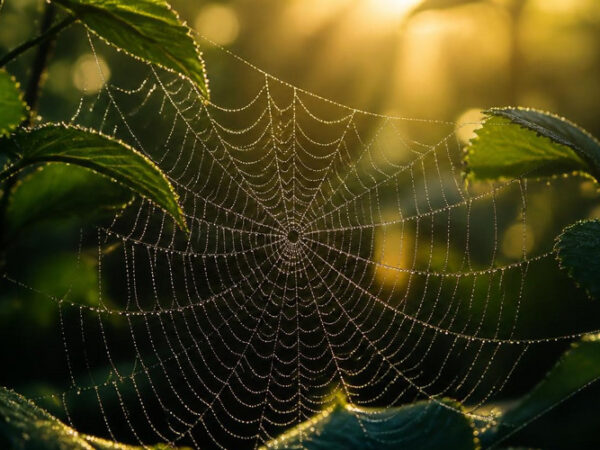
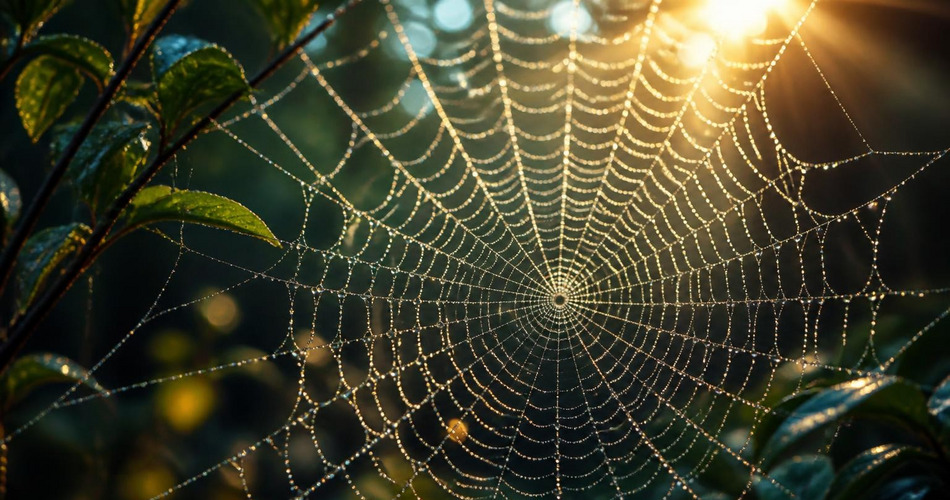
Not all webs are the same, and the type of web can influence its symbolism. The classic orb web, with its radial spokes and spiral threads, is the most recognized and symbolizes order, precision, and the cosmos. Funnel webs, which are tube-shaped, represent hidden dangers or secrets. Cobwebs — dusty, abandoned webs — symbolize neglect, the passage of time, and decay. In contrast, a fresh, dew-covered web symbolizes new beginnings and the beauty of creation.
The material of the web also matters. In nature, spider silk is incredibly strong and flexible, symbolizing resilience and adaptability. In human-made contexts, such as the World Wide Web, the web symbolizes global connectivity and the flow of information. The digital web carries both positive connotations of access and negative ones of surveillance and entrapment.
Frequently Asked Questions About Web Symbolism
Q: What does a spider web symbolize in general?
A: A spider web generally symbolizes interconnectedness, creativity, fate, and the delicate balance of life. It can also represent entrapment or illusion.
Q: Is a web a good luck symbol?
A: In many cultures, yes. Finding a web, especially with a spider, is often considered a sign of good luck, prosperity, or a visit from a loved one.
Q: What does it mean to dream about a web?
A: Dreaming of a web often indicates feeling trapped or entangled in a situation. It can also symbolize creativity and the need to weave together different aspects of life.
Q: What is the spiritual meaning of a web?
A: Spiritually, the web represents the interconnectedness of all existence, the illusion of separateness, and the divine pattern of the universe. It is a reminder that every action affects the whole.
Q: Why is the web associated with fate?
A: Many mythologies depict fate as a web woven by goddesses or supernatural beings. The threads represent individual lives and events, and the web’s pattern represents destiny.
Related Symbols
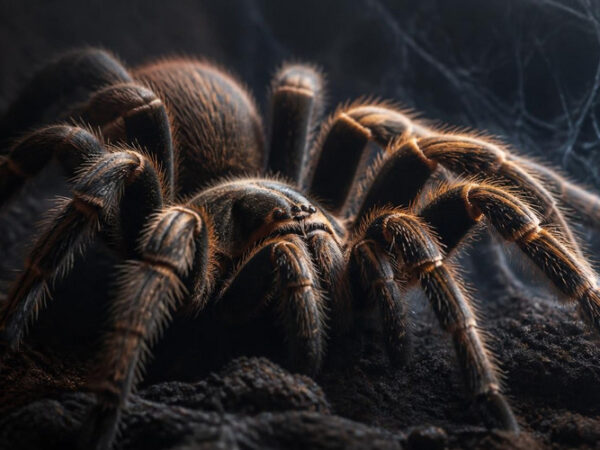
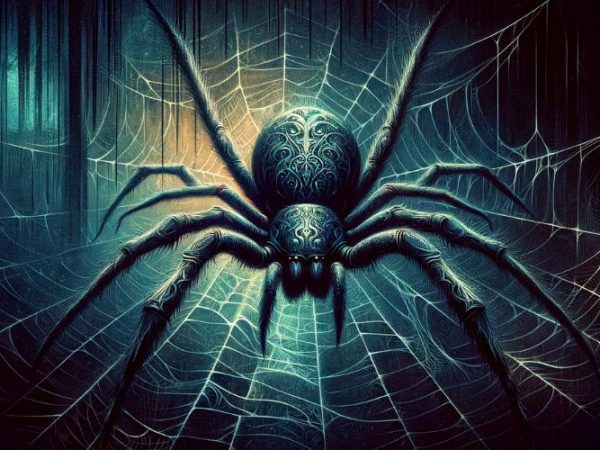
- Spider: The weaver of the web, symbolizing creativity, patience, and sometimes danger.
- Thread: Represents connection, continuity, and the line of fate.
- Loom: A tool for weaving, symbolizing creation and the fabric of life.
- Net: Similar to a web, symbolizing capture, protection, or interconnectedness.
- Dreamcatcher: A specific type of web used for protection in Native American culture.
- Indra’s Net: A Buddhist metaphor for the interpenetration of all phenomena.