Briefly
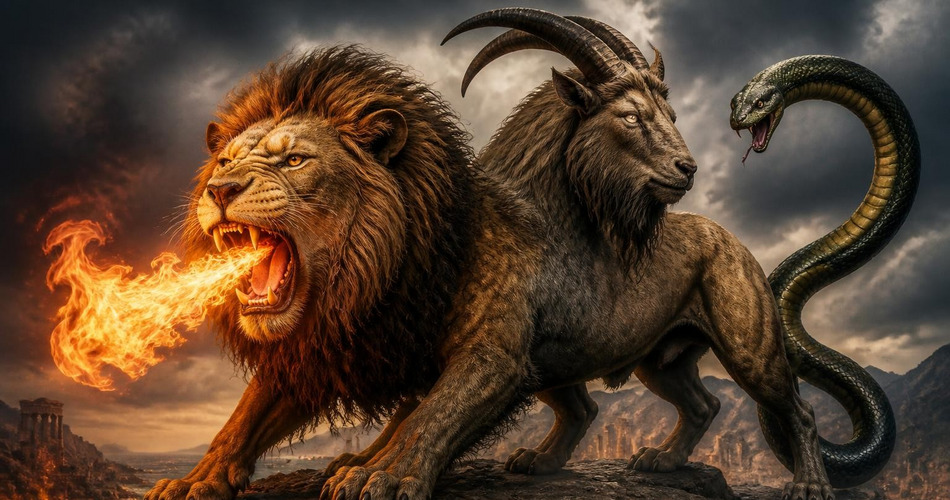
The Chimera is a fantastical hybrid creature from Greek mythology, typically depicted with the head of a lion, the body of a goat, and the tail of a serpent. As a symbol, it represents the fusion of disparate elements into a single, often fearsome entity. The Chimera embodies untamed nature, primal forces, and the power of imagination to create something entirely new. It also serves as a potent metaphor for anything that seems like an impossible or frightening combination of parts, from a complex personal challenge to an innovative artistic vision.
What Does the Chimera Symbolize?
The Chimera symbolizes the union of opposites and the creation of something unprecedented from existing components. It represents the blending of different natures—courage and cunning, earthliness and otherworldliness, destruction and creation. In a broader sense, it stands for any composite entity that defies easy categorization, highlighting the tension between order and chaos.
Positive and Negative Meanings of the Chimera
Positive associations: The Chimera is a symbol of creativity and innovation, as it embodies the ability to combine diverse elements to forge something original and powerful. It encourages thinking beyond conventional boundaries and embracing the potential of hybridity and transformation.
Negative meanings: The Chimera also represents danger and the monstrous, serving as a warning against unchecked ambition or the creation of something that cannot be controlled. It can symbolize a formidable obstacle or an internal conflict arising from incompatible parts, leading to chaos or destruction.
History and Origins of the Chimera Symbolism
The Chimera originates from Greek mythology, first mentioned in Homer’s Iliad as a fire-breathing hybrid terrorizing Lycia. It was slain by the hero Bellerophon riding the winged horse Pegasus. This myth established the Chimera as a symbol of overcoming the impossible through courage and divine aid. Over time, the term “chimera” entered common language to describe any fantastical or impossible idea, especially in biology, genetics, and art, where it refers to a single organism composed of cells from different zygotes or a hybrid artwork.
Chimera Symbolism in Different Cultures
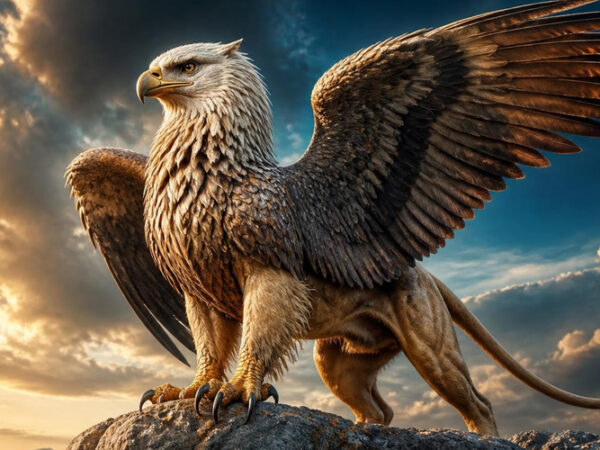
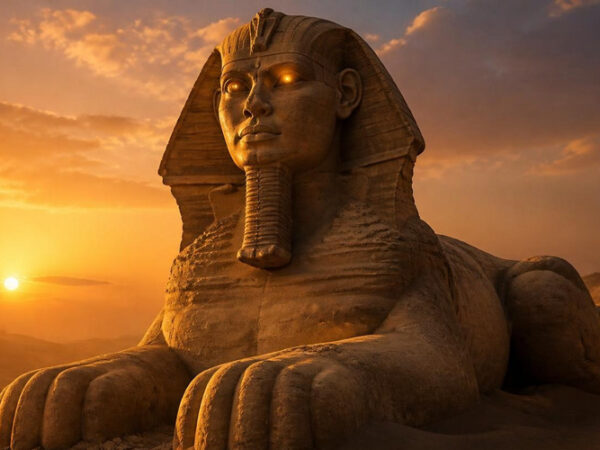
While the Chimera is most famously Greek, hybrid creatures appear across many cultures. In ancient Egyptian art, composite beings like the sphinx (lion body, human head) and griffin (lion body, eagle head) also symbolize the union of earthly and celestial powers. In Hindu mythology, creatures like Gajasimha (elephant-lion hybrid) represent the synthesis of different attributes. These parallels show that the Chimera resonates with a universal human fascination with combining the familiar to express the extraordinary or divine.
Spiritual Meaning of the Chimera
Spiritually, the Chimera can represent the integration of different aspects of the self—the conscious and unconscious, the rational and instinctual. It encourages embracing one’s multifaceted nature and the creative tension that arises from contradictory qualities. For some, it symbolizes the soul’s journey through challenges that require both strength and wisdom to navigate, much like the hero Bellerophon’s quest.
Chimera in Myths and Folklore
In Greek mythology, the Chimera was the offspring of Typhon and Echidna, monstrous parents who gave birth to many legendary creatures. Its fire-breathing ability made it a uniquely destructive force. Bellerophon’s defeat of the Chimera, with the help of Pegasus, is a classic hero myth symbolizing the triumph of order over chaos and the valor required to confront seemingly unbeatable foes. The story also appears in Ovid’s Metamorphoses, reinforcing its lasting presence in classical literature.
Chimera in Dreams
Dreaming of a Chimera often reflects a situation in waking life that feels like an impossible or frightening combination of challenges. It may symbolize a creative project that seems too ambitious or a personal conflict involving contradictory emotions or loyalties. The dreamer is being called to marshal their inner resources—like Bellerophon—to confront and integrate these disparate elements. The specific actions of the Chimera in the dream can offer clues: if it is aggressive, it may indicate a fear of one’s own untamed impulses; if it is passive, it might suggest latent creative potential waiting to be harnessed.
Common Dream Scenarios with a Chimera
- Confronting a Chimera: Facing a Chimera in a dream often represents a daunting challenge in waking life, encouraging the dreamer to find courage and innovative solutions.
- Being chased by a Chimera: This scenario may indicate that the dreamer is avoiding a complex issue or internal conflict that needs to be addressed.
- A peaceful Chimera: Seeing a Chimera that is calm or friendly can symbolize the successful integration of opposing aspects of the self or a creative breakthrough.
- A multi-headed Chimera: Multiple heads may represent a problem with many facets or a feeling of being overwhelmed by competing demands or perspectives.
Chimera in Art and Literature
The Chimera has been a recurring figure in Western art and literature. In ancient Greek vase paintings and sculptures, it was depicted as a fearsome hybrid. During the Renaissance, it reappeared in mythological scenes, such as those painted by artists like Peter Paul Rubens. In literature, the term “chimera” is used figuratively; for example, in Shakespeare’s Henry IV, Part 1, it describes a fanciful notion. More recently, the Chimera appears in popular culture—in the Harry Potter series as a dangerous magical creature, and in the video game God of War as a formidable enemy, reinforcing its role as a symbol of the monstrous and the extraordinary.
Chimera Tattoo Meaning
A Chimera tattoo often symbolizes the wearer’s embrace of their own complexity and duality. It can represent personal strength in overcoming great odds, creativity, and a connection to the mythical and untamed aspects of nature. For some, it is a symbol of individuality and the courage to stand apart from the ordinary. The specific elements of the Chimera chosen—such as the lion’s head, goat’s body, or serpent’s tail—can emphasize different qualities: courage, resilience, or wisdom.
Meanings of Different Variations of the Chimera
While the classical Chimera has a fixed form, modern interpretations and related hybrids can vary.
- Classical Chimera (lion, goat, serpent): Represents a balance of power, fertility, and cunning, often seen as a complete symbol of earthly and chthonic forces.
- Fire-breathing Chimera: Emphasizes destructive potential and the element of fire, symbolizing purification or unchecked passion.
- Other hybrids (e.g., griffin, sphinx): While not identical, these share the theme of combining different animal traits to symbolize divine or royal authority, wisdom, or protection.
Frequently Asked Questions About the Chimera
Q: What does the Chimera symbolize in Greek mythology?
A: In Greek mythology, the Chimera symbolizes an impossible or monstrous obstacle that requires extraordinary courage and divine assistance to overcome, as seen in the story of Bellerophon.
Q: Is the Chimera always seen as a negative symbol?
A: No, the Chimera can also have positive meanings, representing creativity, innovation, and the integration of different qualities to forge something new and powerful.
Q: What does dreaming of a Chimera mean?
A: Dreaming of a Chimera often reflects a complex problem or internal conflict in waking life that demands a creative and courageous approach to resolve.
Q: How is the Chimera used in modern language?
A: The term “chimera” is used in biology for an organism with genetically distinct cells, in genetics for a hybrid DNA molecule, and in general language to describe an unrealizable dream or an impossible idea.
Related Symbols
- Griffin: A hybrid of lion and eagle, symbolizing divine power and guardianship.
- Sphinx: A lion with a human head, representing wisdom and mystery.
- Pegasus: The winged horse that helped defeat the Chimera, symbolizing inspiration and freedom.
- Cerberus: A multi-headed dog guarding the underworld, representing threshold guardianship.
- Typhon and Echidna: Parents of the Chimera, personifying chaos and primal forces.