Briefly
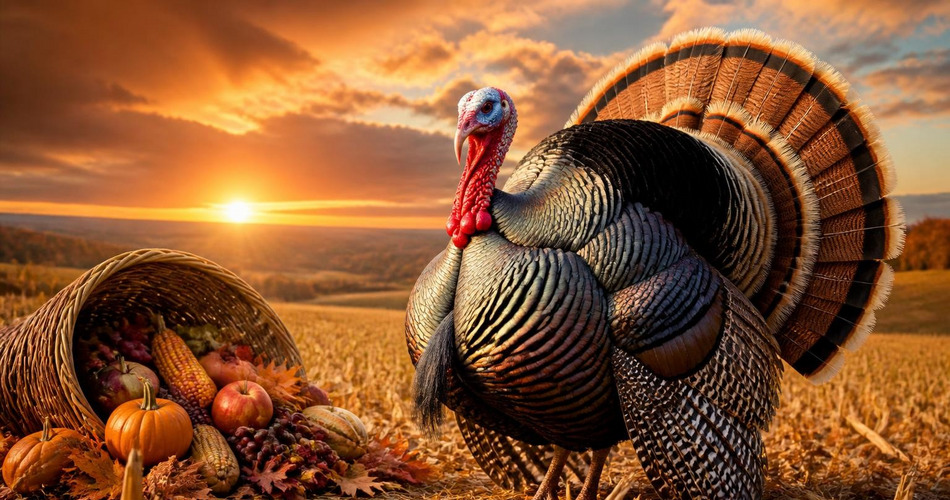
The turkey bird is a powerful symbol of abundance, harvest, and gratitude, most famously associated with the Thanksgiving holiday in the United States. It also represents pride and vanity, as well as sacrifice and provision. Native American cultures used turkey feathers in ceremonial regalia, and the bird’s domestication has made it a global emblem of communal feasting and family gatherings. Beyond its culinary role, the turkey carries deeper meanings of resourcefulness, fertility, and the cycle of life and death.
What Does Turkey Bird Symbolize?
The turkey bird primarily symbolizes abundance and the bounty of the harvest. Its large size and rich meat make it a natural emblem of plenty and nourishment. In many cultures, the turkey is also a symbol of gratitude and generosity, as sharing a turkey meal is a gesture of hospitality and community. Additionally, the turkey’s proud posture and elaborate tail feathers have led to associations with pride, vanity, and self-importance. The bird’s role as a food source connects it to sacrifice and the cycle of life, reminding us that nourishment often requires giving.
Positive and Negative Meanings
Positive associations: The turkey is widely seen as a symbol of abundance, family unity, and gratitude. It represents the fruits of labor and the joy of sharing a meal with loved ones. Its feathers are used in many Native American traditions for ceremonial purposes, signifying honor, protection, and spiritual connection. The turkey’s adaptability and resilience also make it a symbol of resourcefulness and survival.
Negative meanings: The turkey can also symbolize pride and vanity, especially due to its strutting behavior. In modern slang, “turkey” refers to a foolish or inept person, reflecting a negative cultural stereotype. The bird’s domestication and mass production have sometimes been criticized as symbols of overconsumption and disconnection from nature.
History and Origins of Turkey Symbolism
The turkey (Meleagris gallopavo) is native to North America and was domesticated by indigenous peoples long before European contact. Native American tribes such as the Pueblo, Navajo, and Cherokee used turkey feathers in clothing, headdresses, and ritual objects, symbolizing fertility, abundance, and protection. The bird’s meat was a staple food source, and its bones were used for tools and ornaments.
When European settlers arrived, they adopted the turkey as a food source and later as a centerpiece of Thanksgiving celebrations. In the 18th century, Benjamin Franklin famously praised the turkey as a “more respectable” national symbol than the bald eagle, though his proposal was not adopted. This historical anecdote highlights the turkey’s association with honesty, humility, and practicality.
Turkey Bird Symbolism in Different Cultures
In Native American cultures, the turkey is a symbol of fertility, abundance, and the earth’s generosity. Turkey feathers are used in prayer sticks and regalia to represent the connection between the physical and spiritual worlds. The bird is also seen as a teacher of sharing and community.
In American culture, the turkey is inextricably linked to Thanksgiving, a holiday centered on gratitude and family. The presidential turkey pardoning ceremony, held annually since 1947, symbolizes mercy and the spirit of giving.
In European cultures, the turkey was introduced after the colonization of the Americas and became a symbol of exoticism and wealth. It was often featured in lavish feasts and paintings as a sign of prosperity.
Spiritual Meaning of the Turkey Bird
Spiritually, the turkey represents gratitude and the importance of acknowledging life’s blessings. Its presence encourages people to share their abundance with others and to remain humble. The turkey’s feathers are used in smudging and purification rituals in some Native American traditions, believed to carry protective and cleansing energies. The bird’s connection to the earth and harvest also makes it a symbol of grounding and practical spirituality.
Turkey Bird in Myths and Folklore
In Native American folklore, the turkey appears in stories as a generous provider. One Cherokee tale tells of the turkey giving its feathers to help the people stay warm, symbolizing self-sacrifice. In some Pueblo traditions, the turkey is associated with the rain and fertility, and its dance is performed to bring moisture to the crops. European folklore often depicted the turkey as a vain bird, reflecting its strutting behavior, but also as a symbol of abundance at harvest festivals.
Turkey Bird in Dreams
Dreaming of a turkey often relates to themes of abundance, pride, or family gatherings. While dream interpretations vary, common scenarios include:
- Seeing a live turkey: May indicate a need to be more generous or to share your resources with others.
- Cooking or eating turkey: Often symbolizes celebration, gratitude, and the joy of coming together with loved ones.
- A strutting turkey: Could represent pride or arrogance in yourself or someone close to you.
- A dead turkey: Might signify the end of a period of abundance or a warning about wastefulness.
Turkey Bird in Superstitions and Omens
In some rural traditions, seeing a turkey on Thanksgiving morning is considered a good omen for a prosperous year ahead. Conversely, a turkey crossing your path is sometimes seen as a sign of vanity or foolishness. In parts of the American South, turkey feathers are believed to bring good luck when used in dream catchers or hung above doorways. However, these superstitions are not universally held and vary by region.
Turkey Bird in Art and Literature
One of the most famous references to the turkey in American literature is Benjamin Franklin’s 1784 letter to his daughter, in which he argued that the turkey was a more suitable national symbol than the bald eagle, praising its courage and moral character. In visual art, Norman Rockwell’s 1943 painting Freedom from Want (part of the Four Freedoms series) features a large roasted turkey as the centerpiece of a Thanksgiving dinner, symbolizing abundance and family unity. The turkey also appears in children’s literature, such as A Turkey for Thanksgiving by Eve Bunting, where the bird is a symbol of friendship and gratitude.
Turkey Bird Tattoo Meaning
Turkey tattoos are relatively rare but carry strong meanings of gratitude, abundance, and connection to nature. They may be chosen by people who value family traditions, hunting, or Native American heritage. A turkey tattoo can also represent pride in one’s roots or a reminder to remain humble and generous. The bird’s fan-shaped tail feathers make for a striking design, often incorporated into larger nature-themed pieces.
Meanings of Different Turkey Types and Colors
Wild turkeys are darker and more agile, symbolizing freedom and survival instincts, while domestic turkeys are larger and whiter, representing domestication and abundance. Color variations also carry meaning:
- White turkey: Purity, peace, and the spirit of Thanksgiving.
- Bronze turkey: Earthiness, strength, and connection to the harvest.
- Black turkey: Mystery, protection, and the cycle of life and death.
Frequently Asked Questions
Q: What does a turkey symbolize in Native American culture?
A: In Native American cultures, the turkey symbolizes fertility, abundance, and the generosity of the earth. Its feathers are used in ceremonial regalia and prayer items.
Q: Why is the turkey associated with Thanksgiving?
A: The turkey became a Thanksgiving symbol because it was abundant, large enough to feed a family, and native to North America. The tradition of eating turkey on Thanksgiving dates back to early colonial celebrations.
Q: Is the turkey a symbol of pride?
A: Yes, the turkey’s strutting behavior and showy tail feathers have made it a symbol of pride and vanity in many cultures, including in European folklore and modern slang.
Related Symbols
- Bald Eagle: Often contrasted with the turkey as a national symbol.
- Cornucopia: Symbol of abundance and harvest, often paired with turkey imagery.
- Pumpkin: Another harvest symbol associated with Thanksgiving.
- Feather: Represents spiritual connection and protection, especially turkey feathers in Native traditions.
- Rooster: Shares associations with pride and vigilance.